
Last updated November 21, 2026
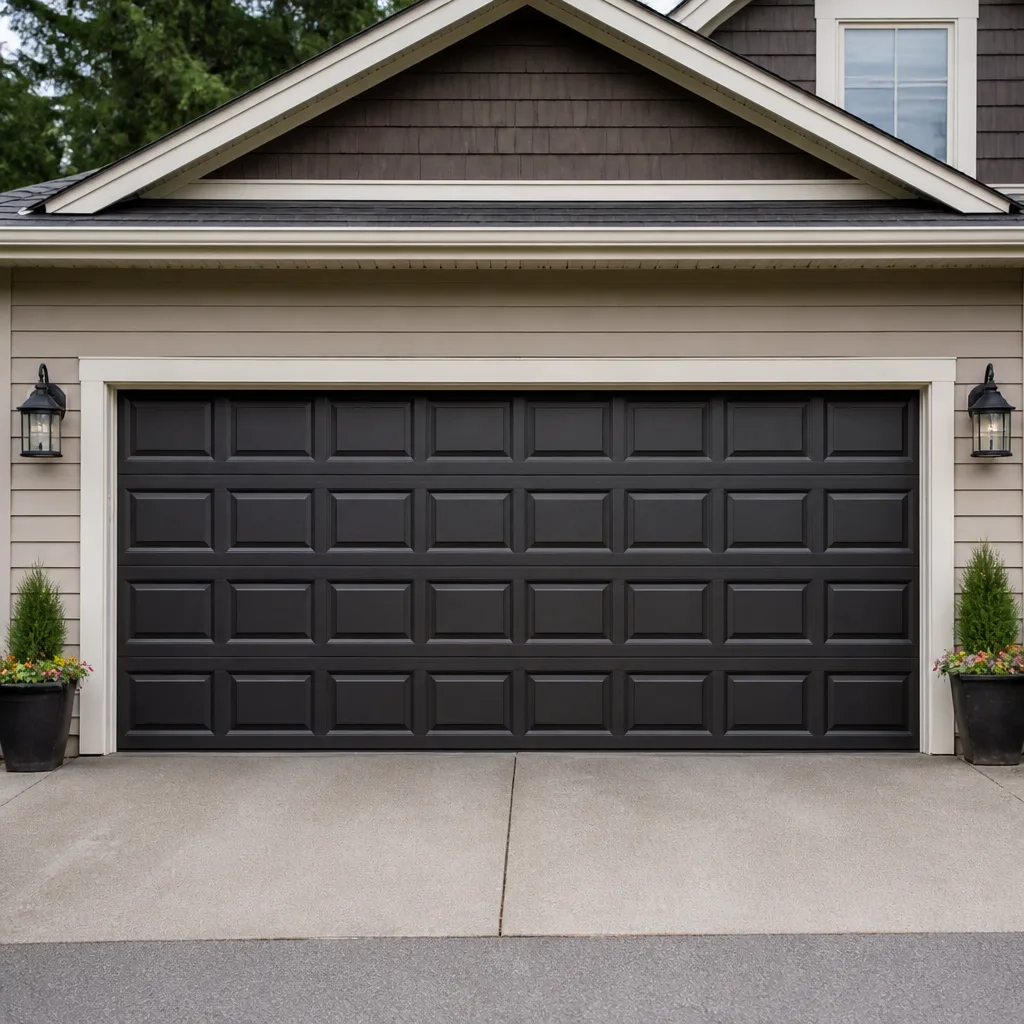 Raised-panel steel
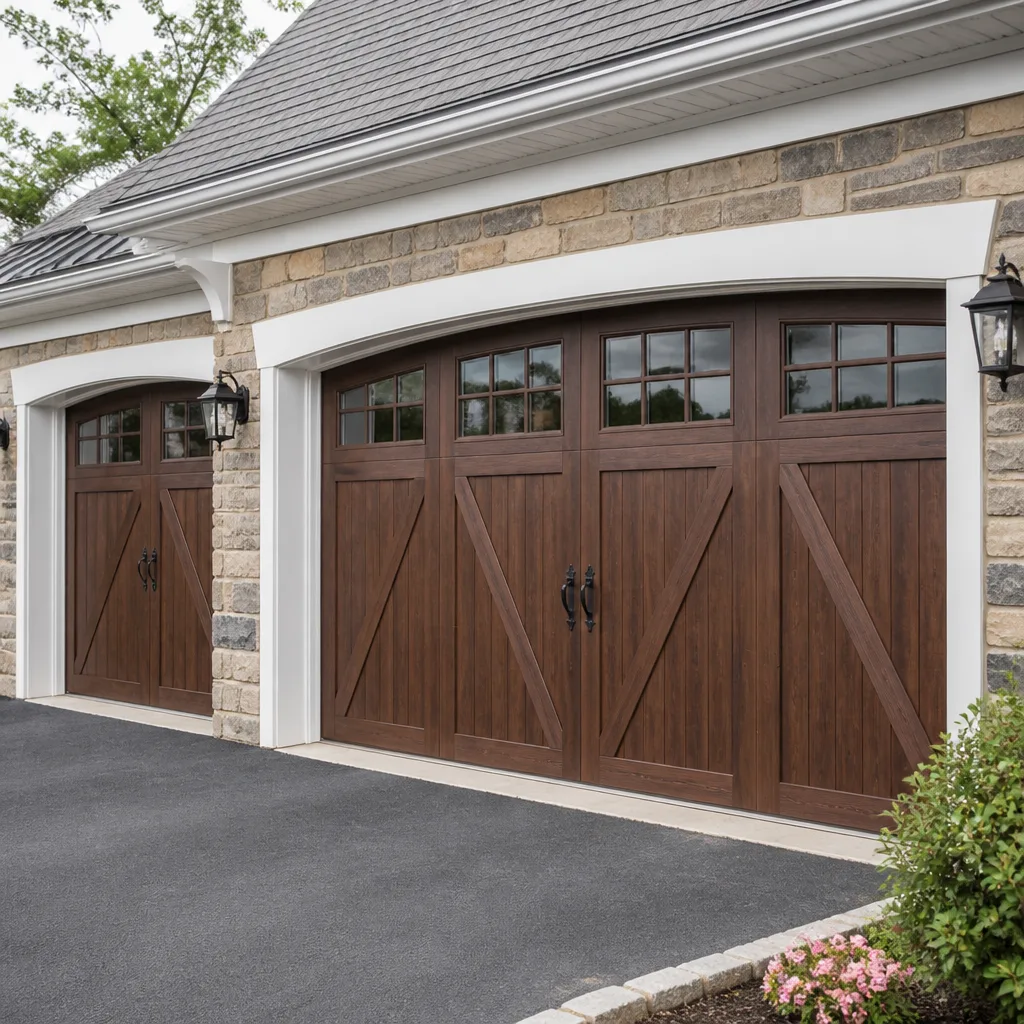 Carriage house
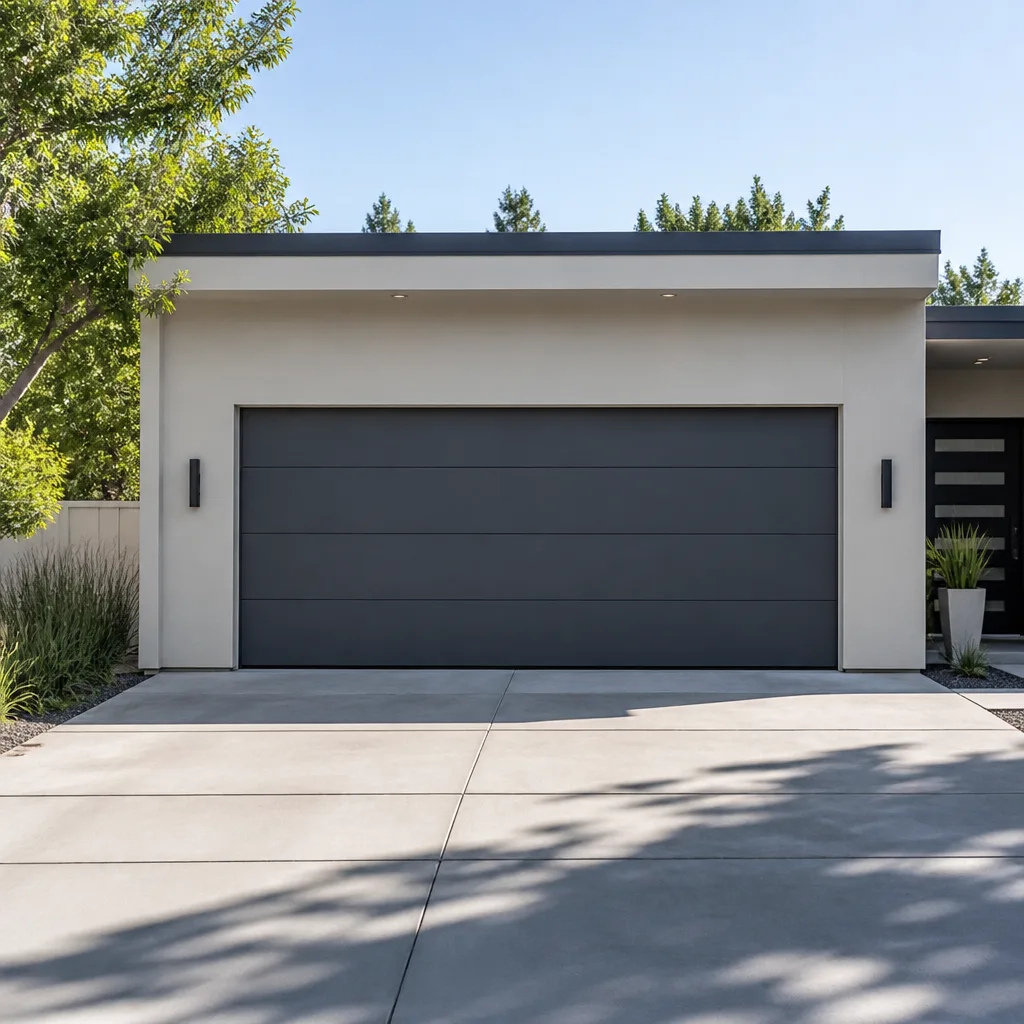 Modern flush
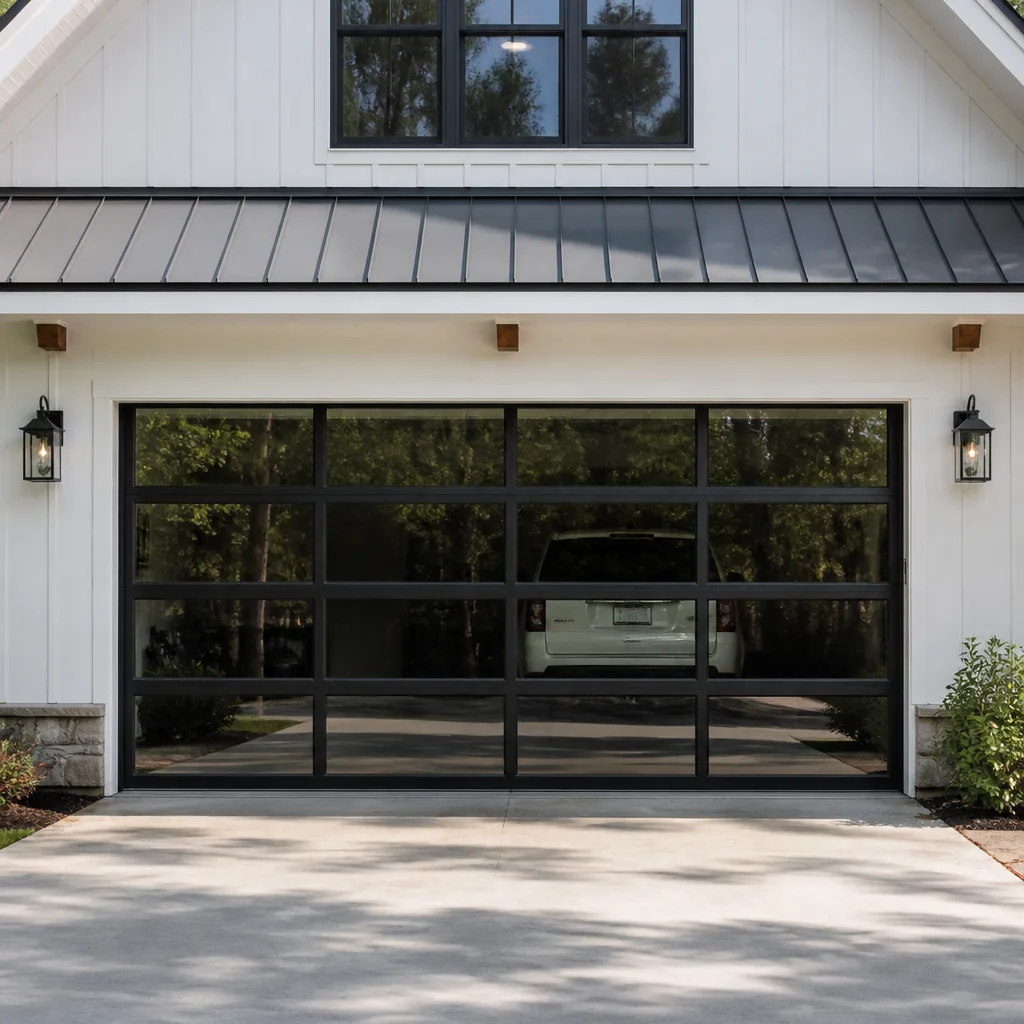 Full-view glass
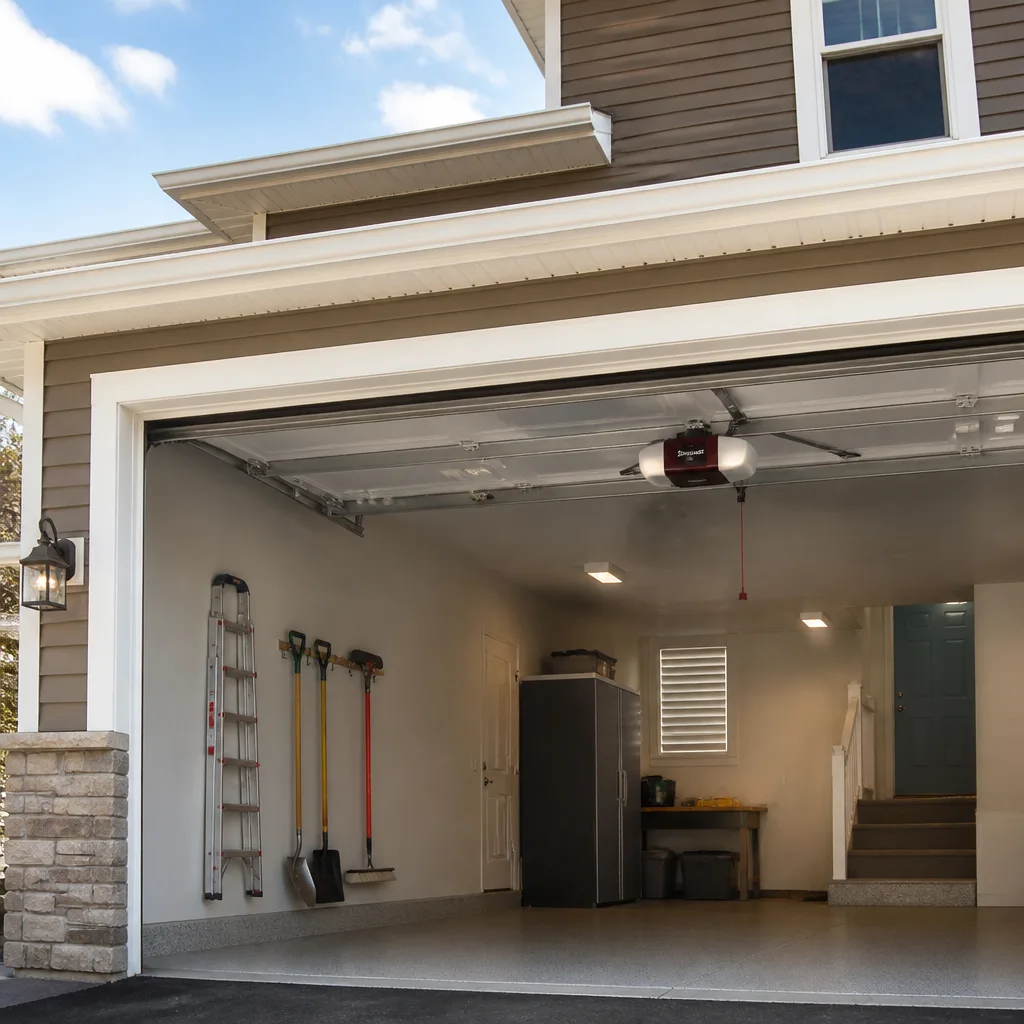 LiftMaster openers
 Chamberlain openers
Full 25-point door and opener safety check with every visit - springs, cables, rollers, tracks, and your LiftMaster or Chamberlain opener included
You get a price before we start. It does not change when the pro arrives.
Get your free estimateGarage Door Emergency Preparedness Guide for Waldorf Homes
Most Waldorf homeowners have a storm kit, a flashlight, and a plan for a power outage. Very few have thought about the one failure that actually traps them: the garage door itself refusing to move. Here’s the part that surprises people. When a torsion spring snaps, the door doesn’t simply stop working. It can become physically impossible to lift by hand, and the obvious workarounds can bend panels, snap cables, or cause serious injury. This guide walks through the specific scenarios where the door becomes the emergency, from manual release on the five most common opener brands in Waldorf homes to securing an open door overnight, and exactly what to do in each.
Quick Answer
If your garage door won’t open and the opener is running but the door isn’t moving, first check the manual release cord and whether the door is locked or obstructed; if the spring has snapped or the door is hanging unevenly, do not force it. Call Waldorf Garage Door Repair Pros at (844) 443-3856 for emergency service, and if the door is stuck open overnight, secure the opening with a temporary brace and keep valuables and the entry door to the house locked until a technician arrives. For a dead opener motor alone, you can usually wait until morning.
Styles & brands we work with
- Raised-panel steel
- Carriage house
- Modern flush
- Full-view glass
- LiftMaster openers
- Chamberlain openers
Table of Contents
- How to Operate the Manual Release on Common Waldorf Openers
- Pulled the Red Cord and the Door Still Won’t Move?
- Post-Storm Inspection: What to Check Before You Touch the Door
- When the Door Is Stuck Open: Temporary Security Steps
- Power Outage and Battery Backup: Verify Yours Works Before You Need It
- When to Call Immediately vs. When It’s Safe to Wait
- Brand-by-Brand Notes for Waldorf Homes
- Building a Year-Round Garage Door Preparedness Habit
How to Operate the Manual Release on Common Waldorf Openers
Every residential opener has a manual release, and the mechanism is similar across brands, but the details differ enough that knowing yours matters. In Waldorf homes, the openers we see most often are Chamberlain, LiftMaster, Genie, Craftsman, and Raynor. Here is how each one’s manual release works, and what to watch for.
LiftMaster and Chamberlain
LiftMaster and Chamberlain units use a red T-handle cord hanging from the trolley. Pull it straight down and slightly toward the door. The trolley disengages from the carriage and the door becomes hand-operated. On newer units with a “MyQ” indicator, the release still works even when the battery in the opener is dead; the release is purely mechanical. If you’re considering a replacement, our garage door opener repair page covers the models we service most.
Genie
Genie openers use a similar emergency release cord, usually with a red or black handle. Pull straight down. On some Genie models the carriage must be at the fully closed position to re-engage, so note where the door is when you pull the release, or re-engaging later takes trial and error.
Craftsman
Craftsman openers, many of which are still in service in older Waldorf neighborhoods, use the same red cord. The trolley can be stubborn on units that haven’t been released in years. Pull firmly and steadily rather than yanking, so you don’t snap the cord or bend the trolley arm.
What to Do After the Release
- Pull the release cord toward you, not sideways.
- Check the door is fully closed and the spring is intact before lifting.
- Lift the door by hand, keeping your body clear of the hinges.
- If the door feels heavy or won’t lift, stop. Don’t force it.
- Prop the door open or leave it closed, and call for service.
The heavy-lift point matters most. A door with a broken spring weighs far more than it should. If you try to lift it and it feels like dead weight, that’s a spring problem, not a release problem. Call for garage door spring repair rather than straining to lift it.
Pulled the Red Cord and the Door Still Won’t Move?
This is one of the most common calls we get: the homeowner has pulled the release, and the door is still stuck. There are four usual reasons, and three of them are safe to check.
- The door is locked. Many garage doors have a slide lock or a lock bar on the inside. If it’s engaged, the door won’t move no matter how much you pull. Check the inside of the door, especially on Amarr and Clopay steel doors, for a manual lock.
- The door is bound on the track. Look along the vertical and horizontal tracks for dents, a bent bracket, or a roller that has popped out. A bound door won’t slide, and forcing it can make it fall.
- The spring is broken. Look above the door for a visible gap in the torsion spring (the coiled spring mounted on a metal shaft above the door) or a hanging extension spring. A broken spring means the door cannot be safely lifted by hand.
- The trolley is still engaged. Sometimes the release didn’t fully disengage. Get a step stool, look at the trolley on the rail, and confirm it’s freed from the carriage. Don’t stand on a chair.
If you find a broken spring, don’t touch it. Torsion springs are under enormous tension, and a careless grip can cause serious injury. This is the one part of the garage door system that should only be serviced by a trained technician. Our Waldorf Garage Door Repair Pros team handles spring repair as a specialty, and safety is the first reason.
Post-Storm Inspection: What to Check Before You Touch the Door
Waldorf gets its share of high winds and summer storms, and hail is uncommon here, but a fallen limb or wind-driven debris is not. After a storm, the instinct is to hit the opener and see if the door works. Don’t. Here is the sequence to follow before you operate the door at all.
- Look at the door from outside. A dented panel, a popped hinge, or a door sitting at an angle is a sign it may not run safely.
- Check the tracks on both sides. Look for a limb resting against a track, a bent rail, or a roller out of its channel.
- Inspect the springs. A gap in the torsion spring or a hanging extension spring means the door is not operable.
- Check the cables. A cable that has come off the drum or is lying slack is a hazard. Don’t touch it.
- Look at the opener rail. If a limb is resting on it, the carriage may be bent.
- Test the balance by hand only if the door looks intact. Lift it about a foot by hand with the release pulled. If it feels heavy, the spring may be compromised.
- Only then run the opener. Stand clear, and watch the door’s first full cycle.
If any of the first five steps turn up damage, leave the door alone and call. For a door that has taken a hit, our garage door repair page covers the panel, track, and hinge work we handle most often after storms.
When the Door Is Stuck Open: Temporary Security Steps
A door stuck open is a security problem before it’s a repair problem. The goal in the first hour is to make the opening hard to enter and to protect anything inside. Here’s what to do, and what not to.
What to Do
- Close the door if it will close safely. If the spring is intact and the door slides, run the opener down. A closed door is always better than a secured opening.
- Prop it if it won’t close. Wedge a sturdy board under the bottom edge on both sides so it can’t drop unexpectedly. Never prop it with a chair or a loose box.
- Brace the opening from inside. A heavy piece of plywood leaned against the door opening, or a pair of adjustable cargo bars across the frame, slows entry.
- Move valuables inside the house. Anything expensive or irreplaceable should go behind a locked interior door.
- Lock the entry door from the garage to the house. Many Waldorf homes have a door between the garage and the kitchen; make sure it’s locked and the deadbolt is engaged.
- Turn on outdoor lighting. A lit driveway is a deterrent.
What Not to Do
- Don’t tape the door down with caution tape and call it secure. It isn’t.
- Don’t try to force the door closed if it’s binding. You can bend panels or drop it.
- Don’t prop the door open on one side only. It can swing or fall.
- Don’t leave the garage door opener remote in a car parked outside.
Call (844) 443-3856 for emergency service. We answer 24/7, and fast dispatch from 7am to 7pm, Sunday through Friday, gets a technician to you to close the door properly and diagnose what went wrong.
Power Outage and Battery Backup: Verify Yours Works Before You Need It
Battery backup on a garage door opener is one of those features nobody tests until the power is out and the door is down. If your opener has a battery backup, it should raise and lower the door a limited number of times during an outage before the battery drains. But the backup only works if the battery is healthy, and most batteries quietly fail after a few years without any warning.
How to Verify Your Backup Works
- Locate the battery compartment on the opener head. On LiftMaster and Chamberlain units, it’s usually a small door on the back or side. On Genie and Craftsman, the battery may be integrated into a small module on the head.
- Open the compartment and confirm a battery is installed. Some openers ship with the bay empty.
- With the door fully closed, unplug the opener from the wall outlet. Don’t touch the wall switch.
- Press the wall control or remote to open the door. If the door moves, your backup works. If it doesn’t, the battery is either dead, disconnected, or not installed.
- Plug the opener back in and let it recharge fully.
- Repeat this test once a year. The best time is when you check your smoke detector batteries.
If your opener has no battery backup and you’d like one, that’s usually a matter of replacing the opener with a battery-backup model, which is a common upgrade. If you’re not sure which opener you have, look at the label on the back of the unit; the brand and model number are printed there.
When to Call Immediately vs. When It’s Safe to Wait
Not every failure is an emergency. Some can wait for a scheduled visit. Others need a call the moment you notice them. Here’s the decision guide we use ourselves when a homeowner describes a failure over the phone.
Call Immediately
- The door is stuck open and it’s dark or you’re leaving the house.
- A spring has snapped and the door is heavy or won’t lift.
- A cable is loose, off the drum, or hanging.
- The door is off its tracks or sitting at an angle.
- The door fell or dropped unexpectedly.
- The door closed on something and now moves unevenly.
- You hear a loud bang from the garage and the door stops working.
Safe to Wait for a Scheduled Visit
- The opener motor hums but the door doesn’t move, and the door is heavy but not unsafe.
- The remote stopped working but the wall switch does.
- The door reverses before closing, or the safety sensors are misaligned.
- The opener light flickers or won’t turn on.
- The door is noisy or squeaks.
- One section of a multi-door garage operates fine; the other is down.
When in doubt, call. A two-minute phone call costs nothing and rules out the dangerous cases. If the door is stuck open, we can usually have a technician close and secure it within the same day. That’s the point of emergency service being a standing offering, not a side note.
Brand-by-Brand Notes for Waldorf Homes
We work on the brand you already have. That’s the practical reason brand knowledge matters: a Genie carriage behaves differently from a LiftMaster trolley, and a Clopay steel panel needs different handling than an Amarr or a Wayne Dalton. Here are the specifics that come up most in Waldorf homes.
LiftMaster and Chamberlain
These are the most common openers in newer Waldorf builds. Their manual release and battery backup systems are the most refined, and their smart-home integration (through MyQ) is the most common. If your door has a LiftMaster or Chamberlain opener and the door won’t respond to a remote but the wall switch works, the issue is usually the remote or the radio receiver, not the door.
Genie
Genie openers often appear on older doors or as mid-range replacements. The manual release requires the door to be fully closed for clean re-engagement. Genie’s battery backup systems are less common than LiftMaster’s, so if you’re relying on backup, check first.
Craftsman
Many Craftsman openers are still in service from the 1990s and 2000s. They’re reliable but show their age in the release mechanism, which can seize up. If you’ve never pulled the release cord on a Craftsman, do it once now, when the door is closed, so you know it moves freely.
Clopay, Amarr, Wayne Dalton, Raynor
These are door manufacturers rather than opener brands, and each has quirks in how the door panels, hinges, and springs are put together. A Clopay or Amarr steel door, for example, typically has heavier panels than a builder-grade door, which matters when the spring needs replacing. Raynor doors are often paired with Raynor or LiftMaster openers.
Building a Year-Round Garage Door Preparedness Habit
The best emergency response is the one you never need. A short annual routine catches most of the failures that turn into emergencies. Here’s what we suggest for any Waldorf home.
- Test the manual release once a year. Door closed, pull the cord, and confirm it moves freely. Re-engage it.
- Test the battery backup. Unplug the opener, run the door, plug it back in.
- Look at the springs. A torsion spring with a visible gap is broken. Don’t touch it; call.
- Listen for new noises. A door that starts squeaking or grinding is telling you something is wearing.
- Check the safety sensors. A door that reverses before closing usually has misaligned sensors or a dirty lens.
- Note the model numbers. Write down the opener brand and model, and the door brand, in a drawer in the garage. It saves time on the phone.
- Clear the garage floor. Anything loose on the floor can catch under the door and bend a panel.
None of these take more than ten minutes. Together they catch most of the spring, opener, and door failures that otherwise show up as midnight emergencies.
Common Mistakes to Avoid
- Pulling the release cord while the door is open. The door can drop. Pull it with the door fully closed.
- Forcing a heavy door up by hand. A door with a broken spring weighs far more than it looks like it does, and forcing it can bend the panels or drop it on you.
- Touching a torsion spring. A torsion spring is under enough tension to cause serious injury. Even a “quick look” can be dangerous if you put your hands near it.
- Using a chair or bucket to reach the trolley. Use a stable step stool, and never reach over your head on an unstable base.
- Leaving a stuck-open door “for tomorrow” when it’s dark. An open garage is an invitation. Secure the opening first, then sleep.
- Assuming the battery backup works because the opener has one. Many batteries fail after a few years without a visible sign. Test it.
- Ignoring a door that reverses or stops halfway. Intermittent failures are the most common precursors to a bigger breakdown.
- Running the opener after a storm without checking the tracks first. A limb bent a track, and the opener will force the door right off it.
See the difference
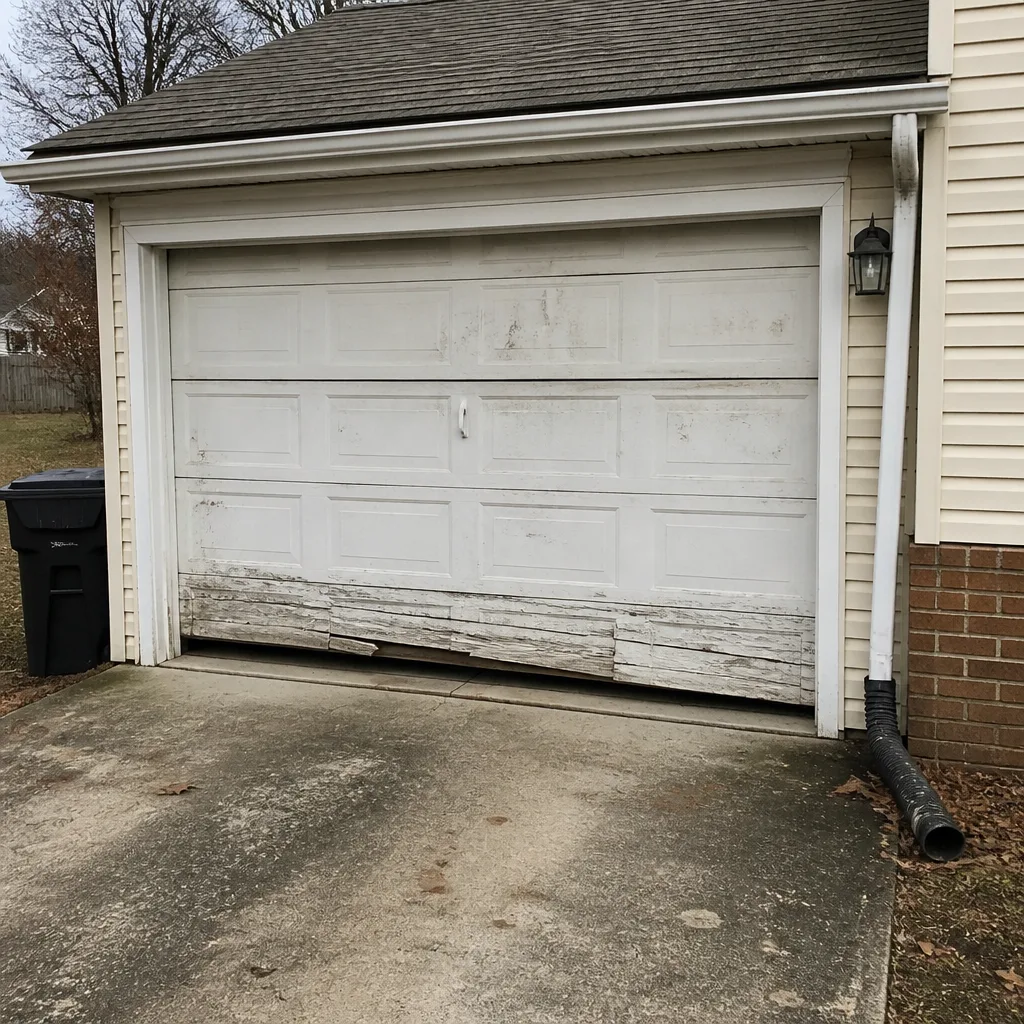 Before
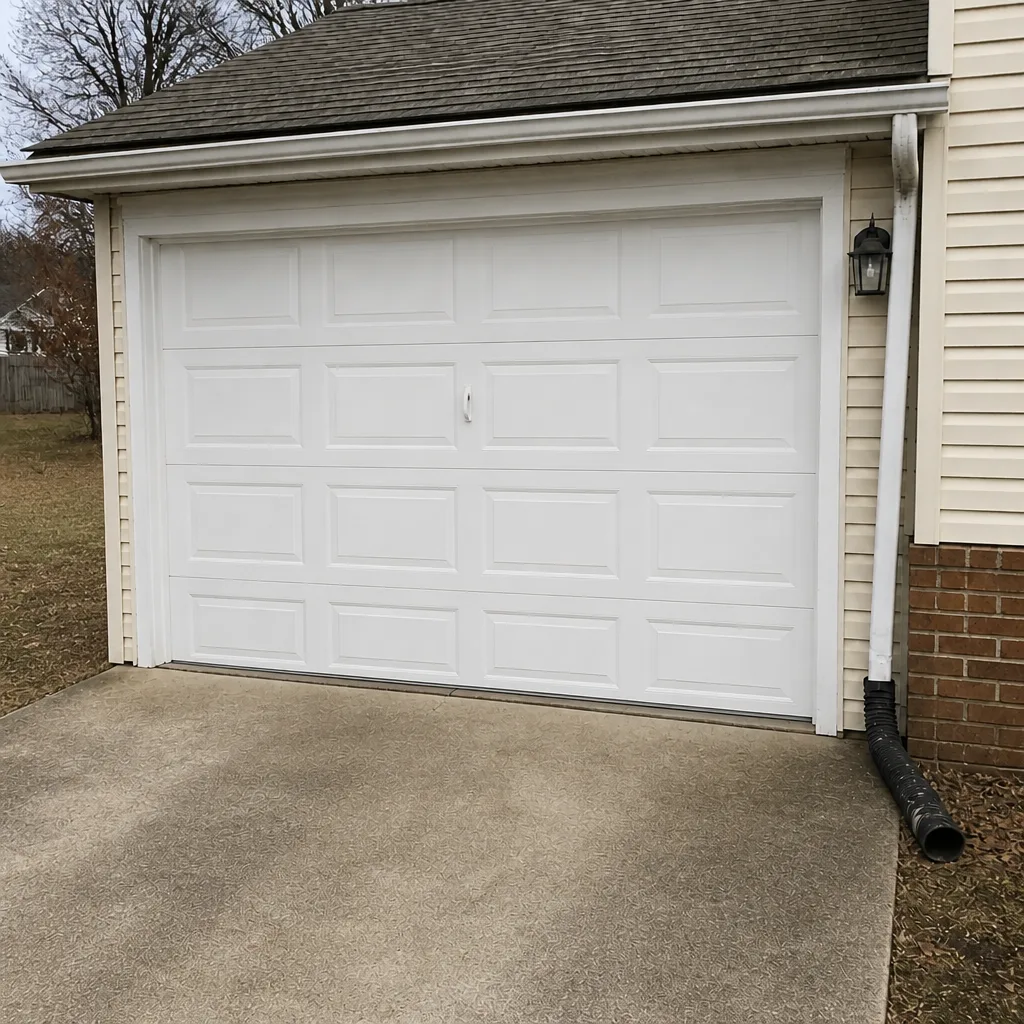 After
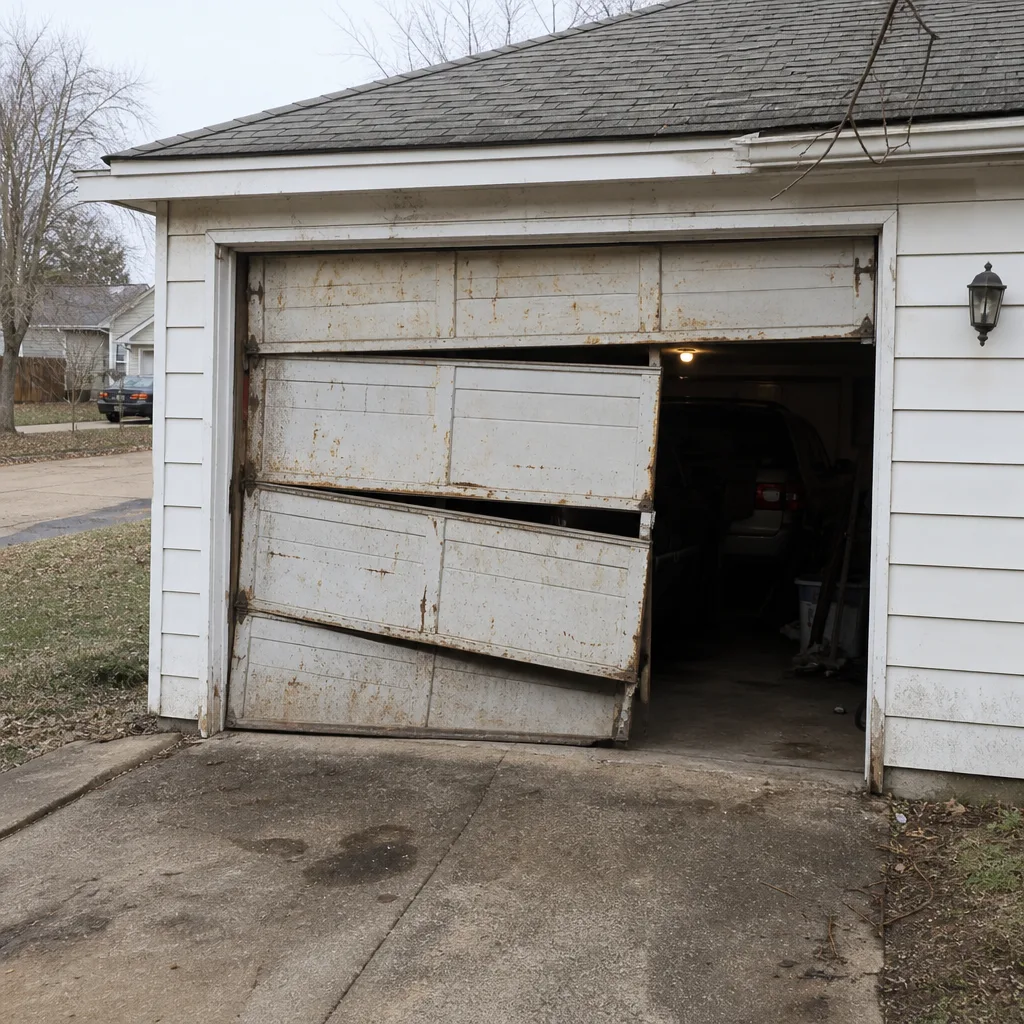 Before
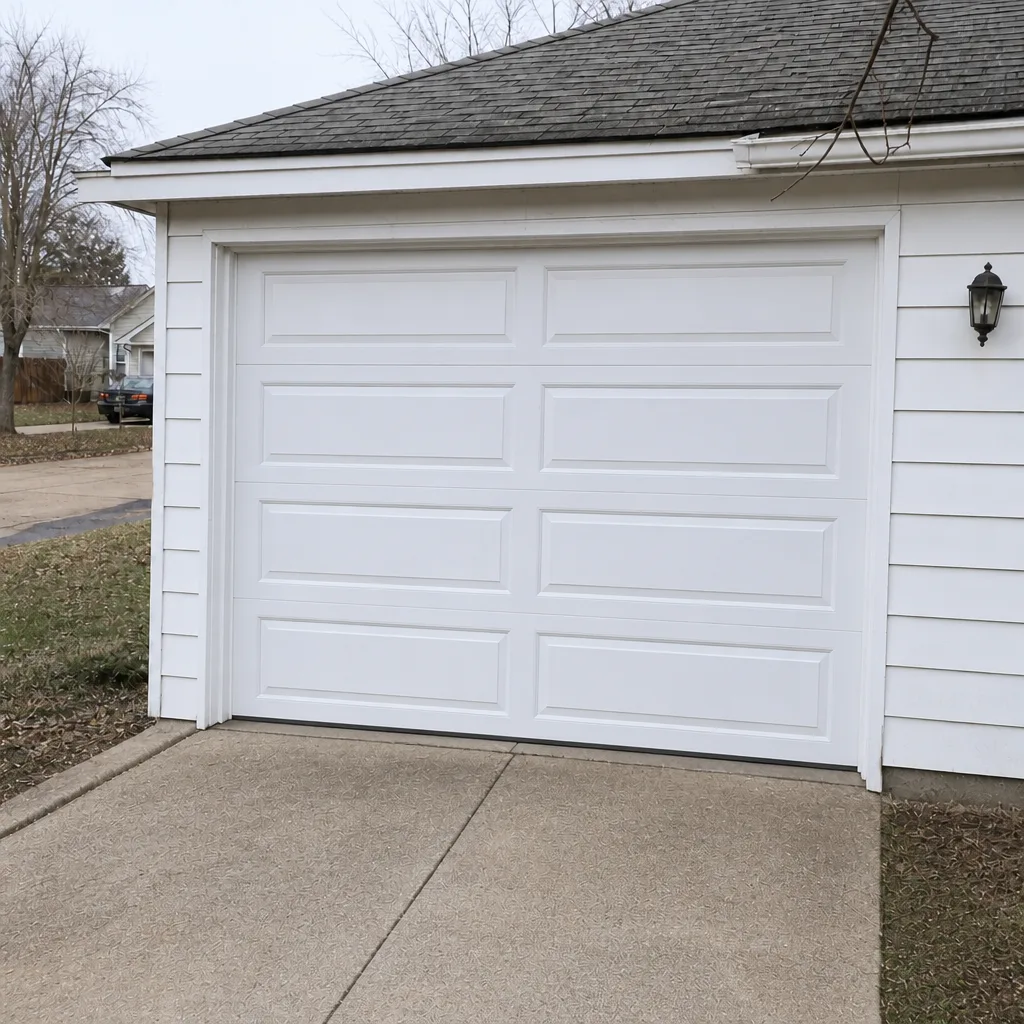 After
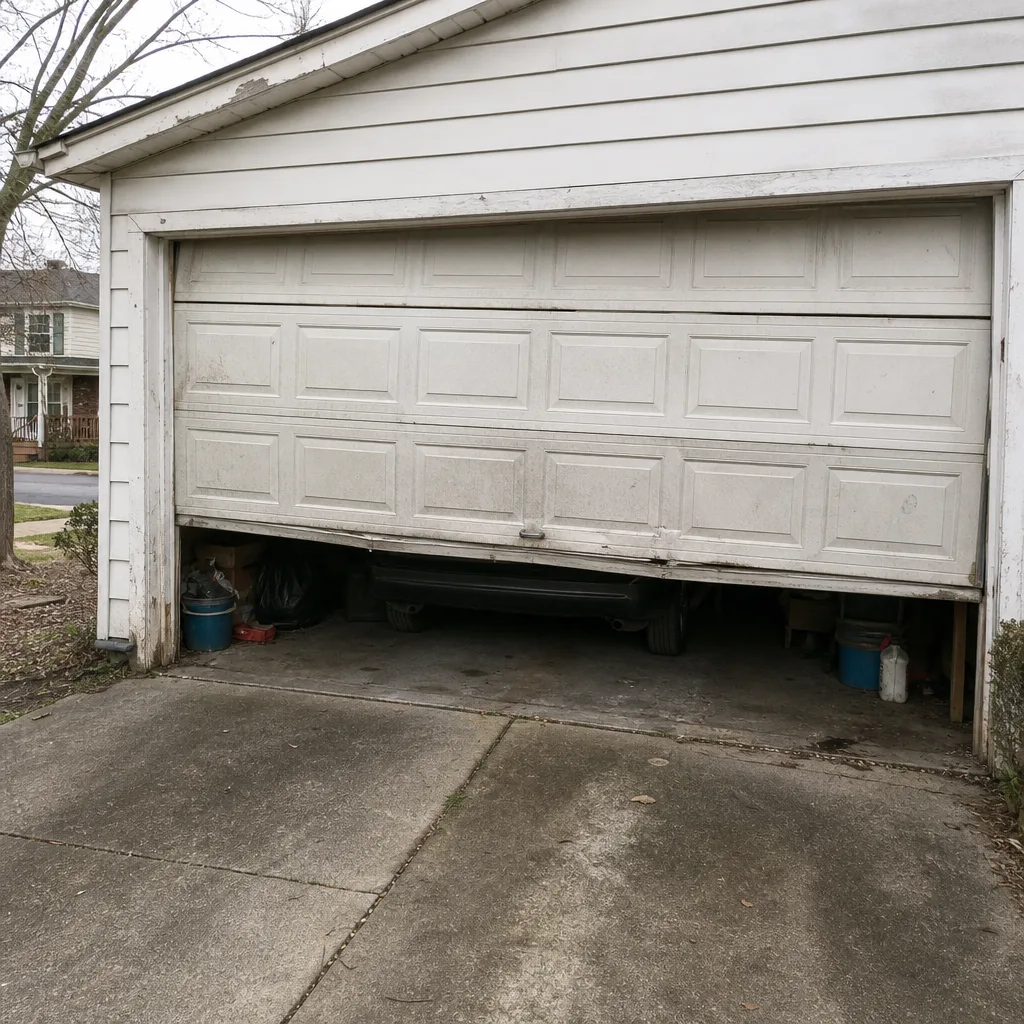 Before
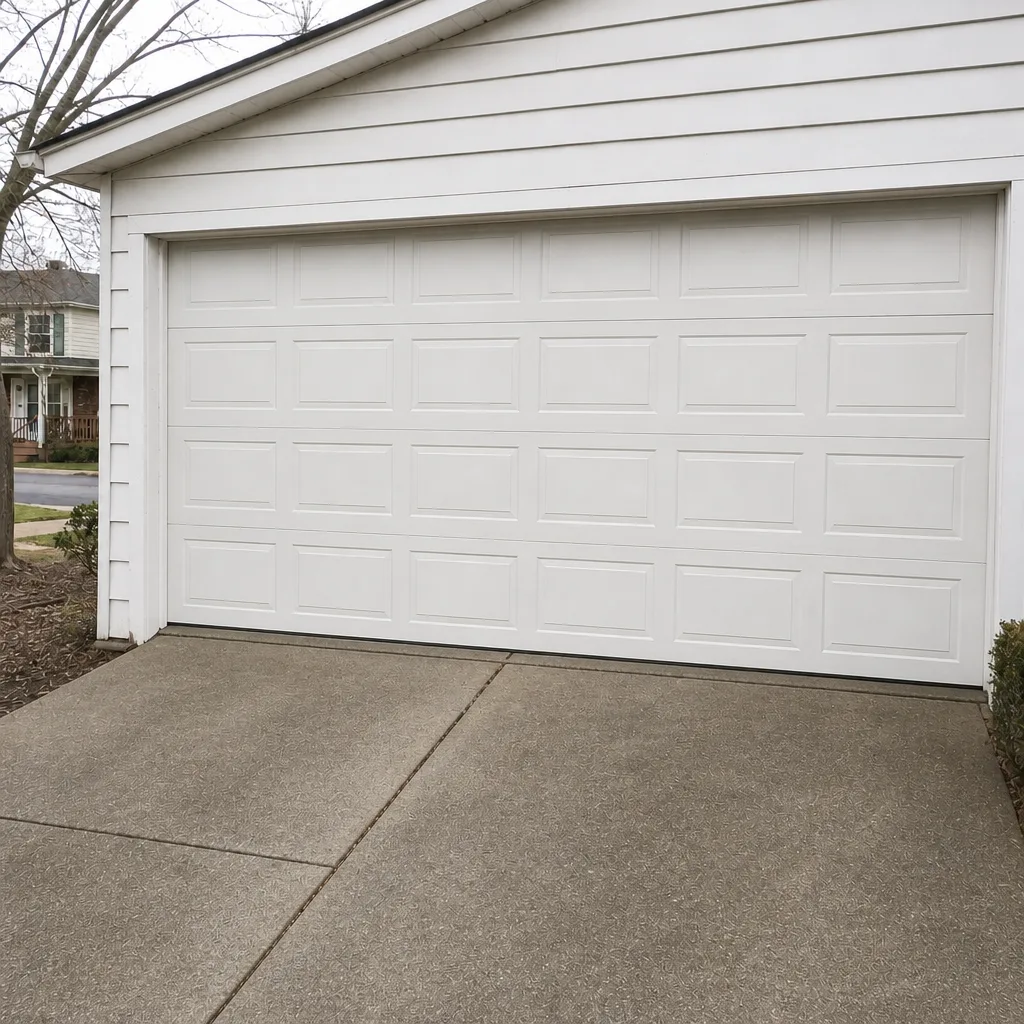 After
When to Call a Professional
Call a professional the moment any of these are true: a spring is broken, a cable is loose or off the drum, the door is off its tracks, the door has fallen or dropped, or the door is stuck open and it’s evening. Those are the scenarios where an untrained attempt can cause injury, a bent panel, or a door that drops. For a dead opener motor, a misaligned sensor, or a noisy door, a scheduled visit is fine. Waldorf Garage Door Repair Pros offers free estimates in Waldorf, and every price is quoted and agreed before any work starts. Call (844) 443-3856. We answer 24/7, and fast dispatch from 7am to 7pm, Sunday through Friday, gets a technician to you. Our technicians have up to 11 years of experience, and we work on the brand you already have.
Frequently Asked Questions
Check the manual release cord and confirm the door is not locked or obstructed, then look at the spring for a visible gap. If the spring is broken or the door is heavy or uneven, stop and call (844) 443-3856. If the door is simply heavy but the spring is intact, the opener may be the problem and it’s safe to schedule a visit.
Yes, if the door’s spring is intact and the release cord works. Pull the red handle on the trolley and lift the door by hand. If the door is heavy or won’t lift, you have a spring problem, and no amount of pulling will fix it. Call (844) 443-3856 for service.
Unplug the opener with the door closed and press the wall control or remote. If the door moves, the backup works. If not, the battery is dead or missing. Test it once a year, and call if you need help identifying your model.
It’s not ideal, but if you can’t close it, secure the opening with a temporary brace, move valuables inside, lock the door to the house, and turn on outdoor lighting. Then call (844) 443-3856. We answer 24/7.
Usually not. A hum with no movement often means a stripped gear, a broken carriage, or a release that’s still engaged. The door itself is likely safe if the spring is intact. Schedule a visit rather than calling it an emergency.
Spring repair is priced per job by written estimate, and one spring costs roughly half of a matched pair, which is usually replaced together. Call (844) 443-3856 for a free estimate. The written quote is the price, and it’s agreed before any work starts.
We service eight brands: LiftMaster, Chamberlain, Genie, Clopay, Amarr, Wayne Dalton, Craftsman, and Raynor. That covers the openers and doors installed in almost every Waldorf home, and we work on the brand you already have.
Look at the panels, tracks, springs, cables, and opener rail before running the opener. If anything is dented, bent, hanging, or slack, don’t operate the door. Call (844) 443-3856 and we’ll get a technician to assess it.
The Bottom Line
Garage door emergencies in Waldorf are rarely about the opener. They’re about springs, cables, tracks, and doors that become dangerous when forced. The manual release is your first tool, the red cord is your first test, and knowing when to stop is the most important call you’ll make. Keep the phone number handy, test your release and battery backup once a year, secure an open door rather than leaving it, and call (844) 443-3856 when the door itself is the problem. We answer 24/7, and fast dispatch from 7am to 7pm, Sunday through Friday, gets a technician to your door. From opener glitch to full installation, we handle the brand you already have. Call us for a free estimate.
Written by the team at Waldorf Garage Door Repair Pros.