
Last updated November 21, 2026
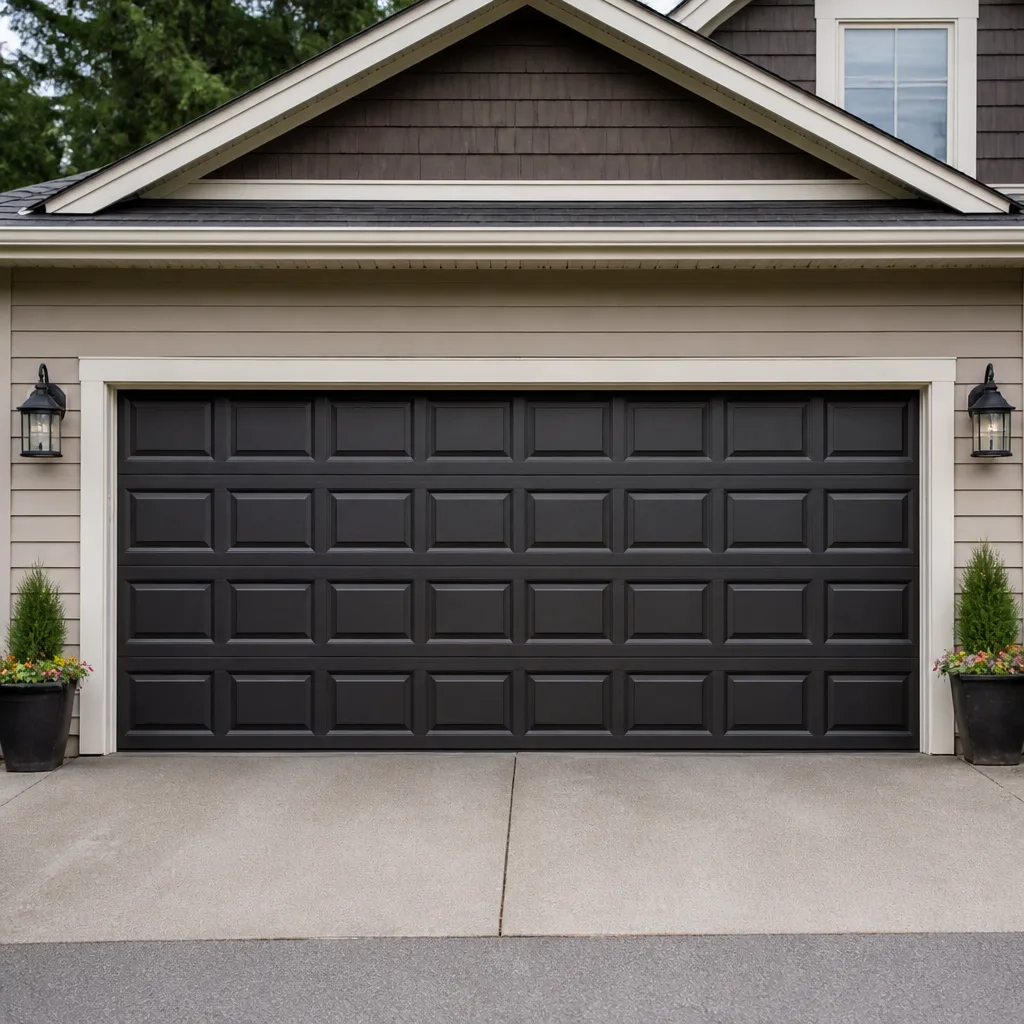 Raised-panel steel
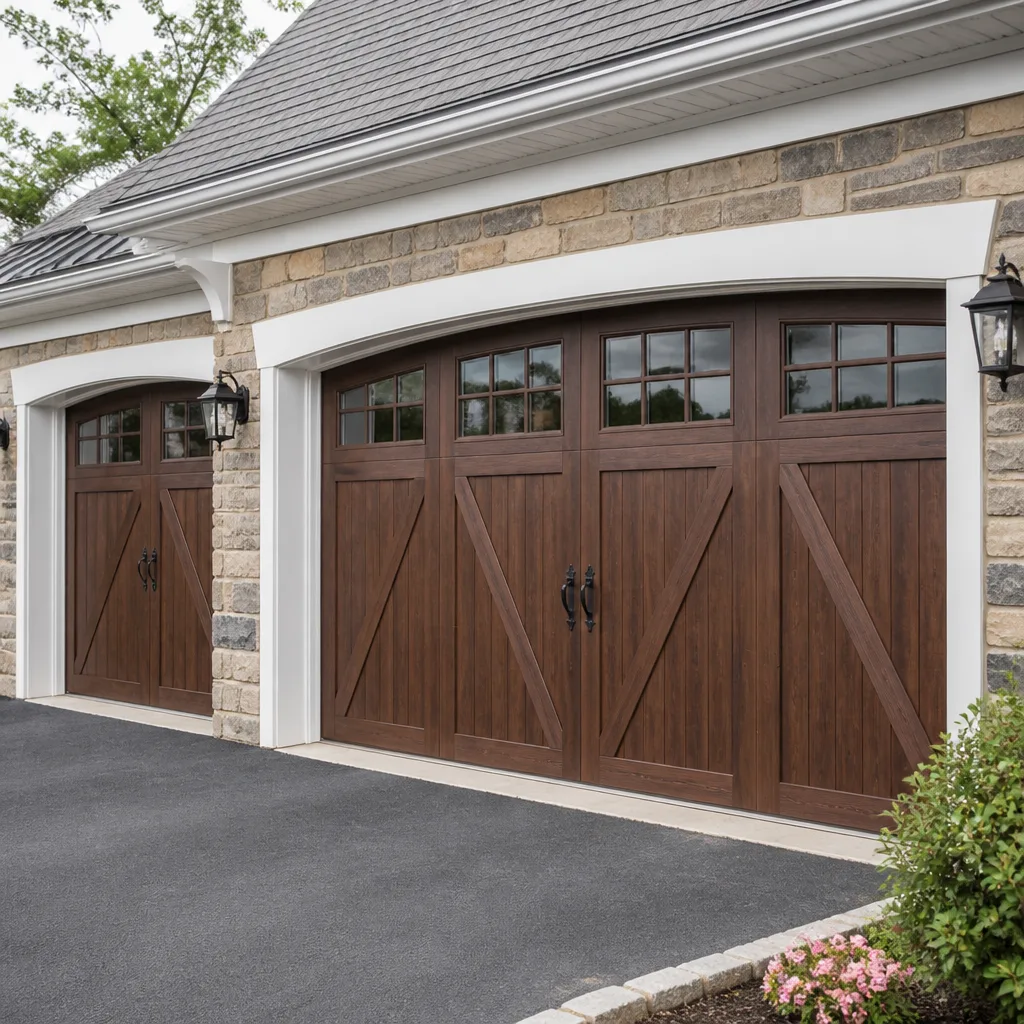 Carriage house
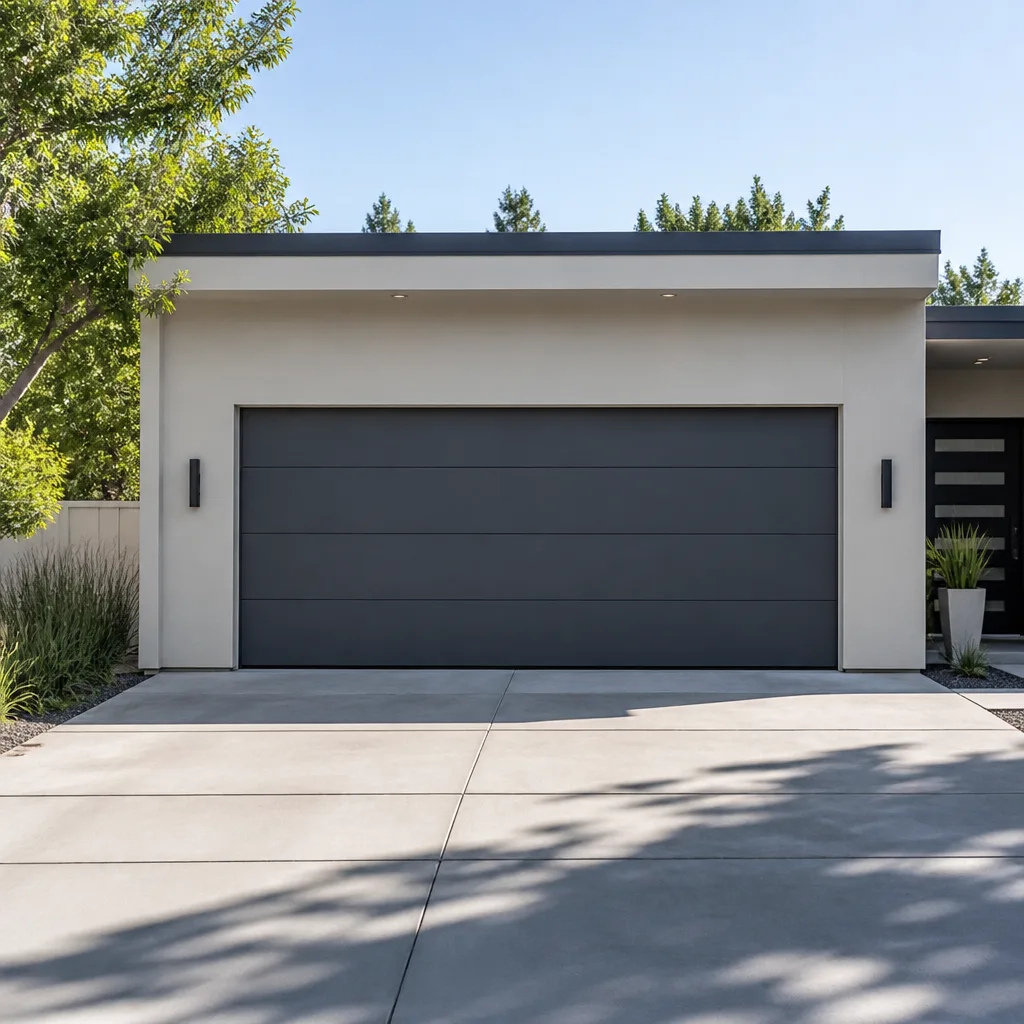 Modern flush
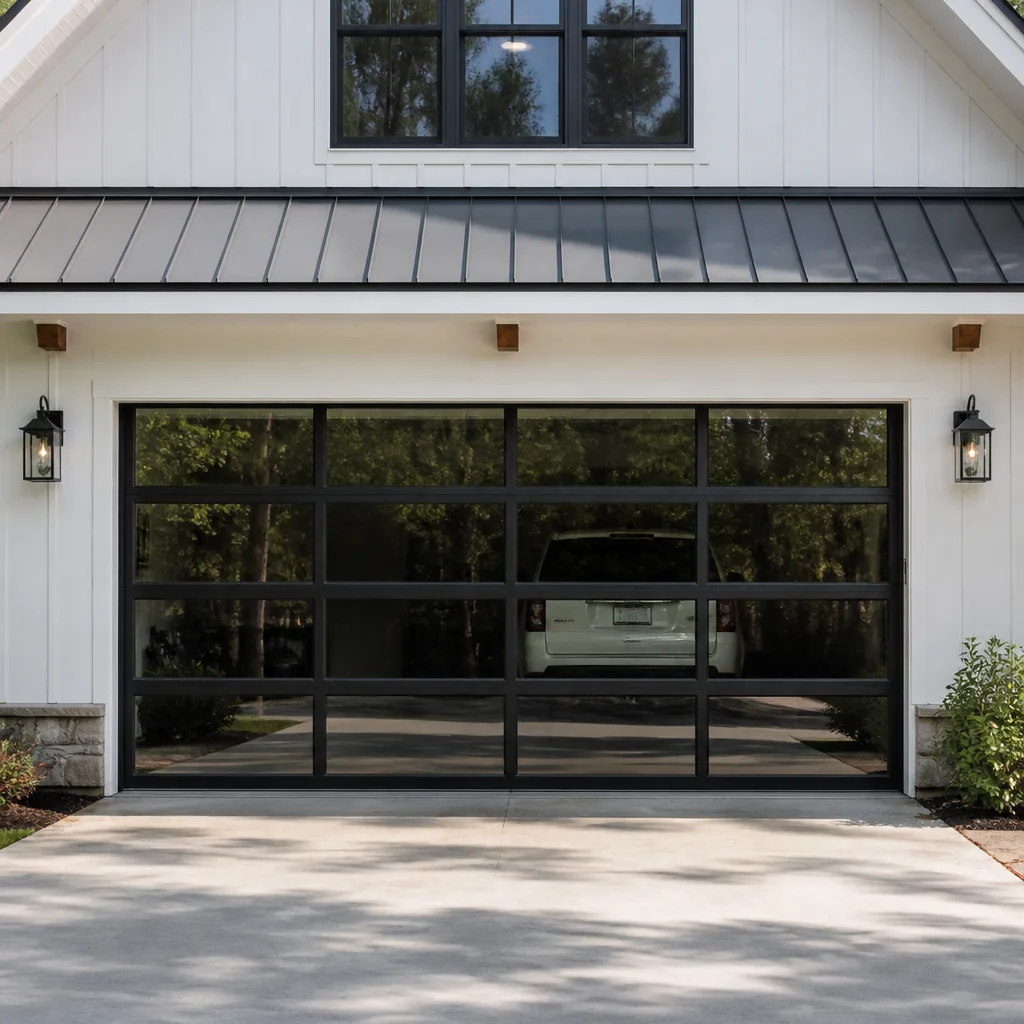 Full-view glass
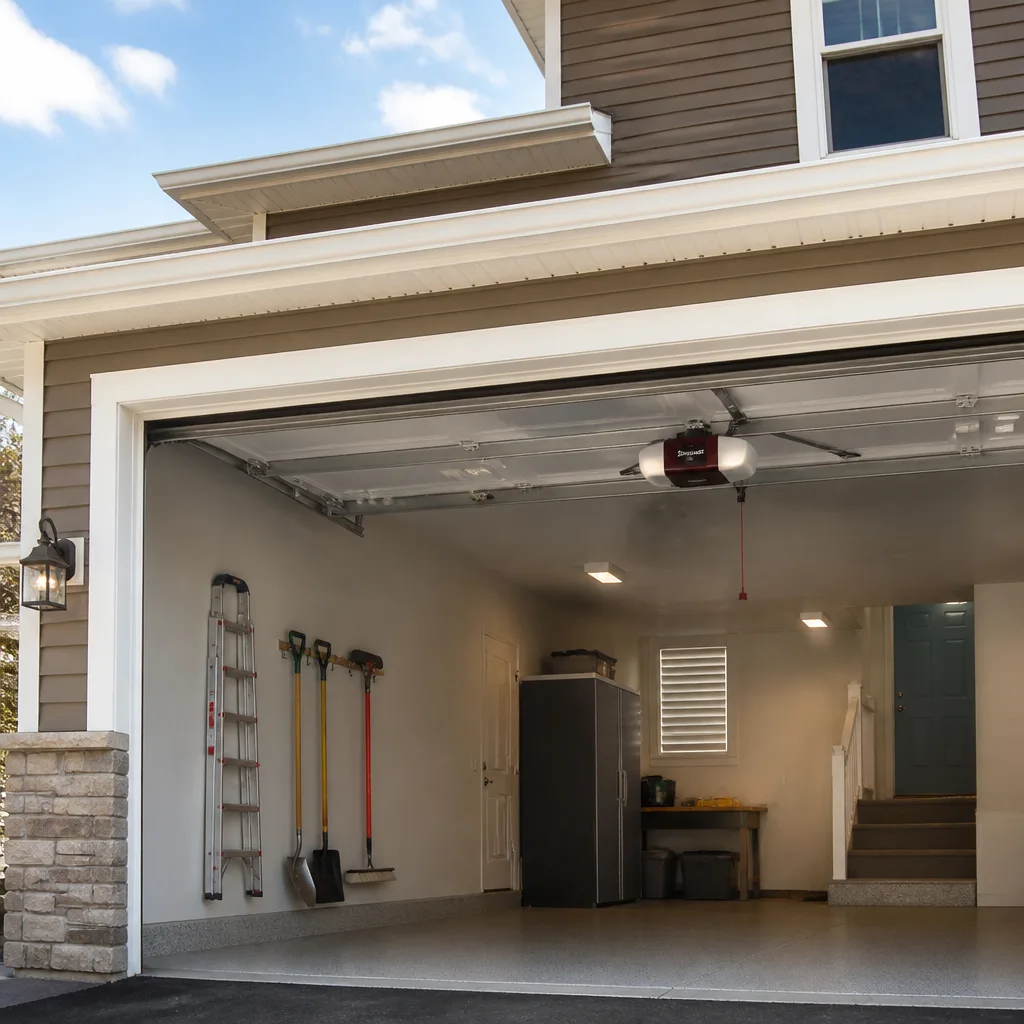 LiftMaster openers
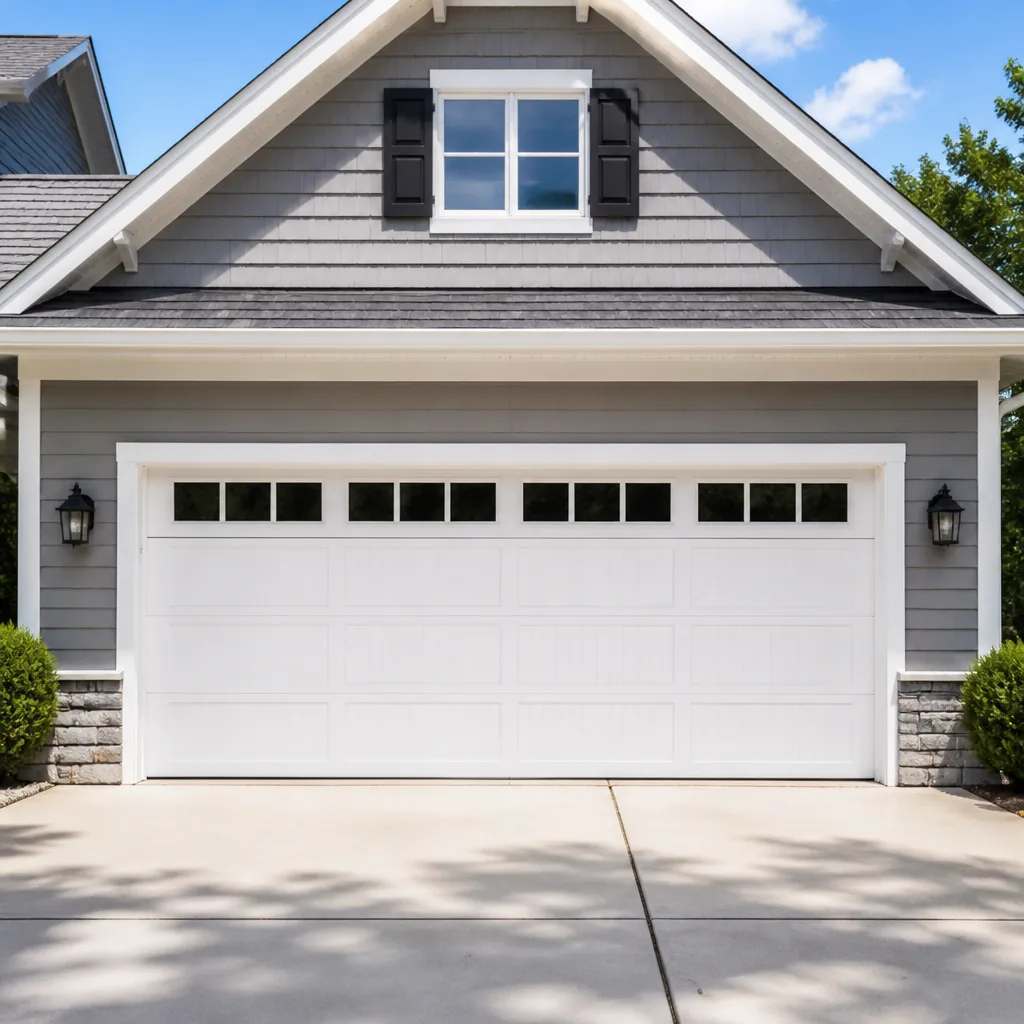 Chamberlain openers
Full 25-point door and opener safety check with every visit - springs, cables, rollers, tracks, and your LiftMaster or Chamberlain opener included
You get a price before we start. It does not change when the pro arrives.
Get your free estimateGarage Door Repair Maintenance Schedule: What to Do and When
Lubricating your garage door springs every six months sounds reasonable until you learn that over-lubricating torsion springs is one of the leading causes of premature cable failure. That’s the kind of maintenance advice that creates the problem it’s supposed to prevent. Most garage door checklists online are calendar-based – they tell you to do the same tasks in January that you do in July, whether you open your door twice a week or twelve times a day. A door that’s opened eight to twelve times daily wears at a completely different rate than a single-car door used sparingly. This guide replaces the calendar approach with a usage-tier schedule built for how doors actually age in Waldorf’s mid-Atlantic climate. You’ll learn what to check monthly, what to lube (and with what), what a technician catches that you physically cannot, and the 10-second test that warns you before a spring snaps.
Quick Answer
Match your maintenance to how often you actually use the door. Light-use doors (1-2 open-closes daily) need a full tune-up every 24 months; moderate-use doors (4-6 daily) every 12 to 18 months; heavy-use doors (8+ daily) every 12 months. In all three tiers, lubricate moving hardware every 4 to 6 months, run the balance test monthly, and inspect the bottom seal each season. A professional annual tune-up covers the springs, cables, opener force settings and safety reverse that homeowner checks can’t safely reach.
Styles & brands we work with
- Raised-panel steel
- Carriage house
- Modern flush
- Full-view glass
- LiftMaster openers
- Chamberlain openers
Table of Contents
- Why Your Usage Tier Sets the Schedule
- The Monthly Checks Anyone Can Do
- Lubrication: The Right Product for the Right Part
- Waldorf Seasonal Prep: Humidity and Freeze-Thaw
- The 10-Second Balance Test
- What a Professional Tune-Up Catches That You Can’t
- Brand-Specific Maintenance Notes
- Common Mistakes to Avoid
Why Your Usage Tier Sets the Schedule
Every garage door cycle wears the springs, cables, rollers and hinges a little. A torsion spring is rated in cycles, not years, so the number that actually matters is how many times the door travels up and down. A family that leaves for work and school in the morning, comes home, and runs an errand or two logs six to ten cycles before dinner. A retiree who opens the door once to leave and once to return logs two.
We sort doors into three tiers before we recommend a schedule:
- Light use (1-2 cycles a day): A secondary door, a spare-car door, or a household where the garage is rarely the main entry. Full professional tune-up every 24 months, homeowner lubrication every 6 months.
- Moderate use (4-6 cycles a day): A typical two-car household using the garage as the front door. Full tune-up every 12 to 18 months, homeowner lubrication every 4 to 6 months.
- Heavy use (8+ cycles a day): Multi-driver households, home businesses, or anyone who treats the garage as the primary entry. Full tune-up every 12 months, lubrication every 4 months, and a balance check monthly.
The gap between a 12-month and a 24-month schedule isn’t a sales tactic. It’s arithmetic. A heavy-use door can rack up four to five times the cycles of a light-use door in the same year, which means its springs, cables and rollers are aging four to five times faster. Running a heavy-use door on a light-use schedule is how homeowners end up with a snapped spring they didn’t see coming. If you’re unsure which tier fits your household, we’ll help you estimate your daily cycles and set the right interval – the Waldorf Garage Door Repair Pros team handles service across all eight major brands, from Genie to Wayne Dalton.
The Monthly Checks Anyone Can Do
You can do a solid monthly inspection in about five minutes with a flashlight and your ears. None of it requires touching the springs or cables, which remain the most dangerous parts of the system. Here’s the routine we walk homeowners through:
- Listen to the door. A grinding, squeaking or scraping sound means a worn roller, a dry hinge or a bearing that needs attention. A rhythmic rattle points to loose hardware.
- Watch the travel path. Stand back and open the door. It should move smoothly without jerking, pausing or wobbling side to side. Uneven travel has a cause, and it’s cheaper to find it early.
- Check the balance test (details further down – it deserves its own section). This is the single most useful check you can do.
- Inspect the hinges and rollers by eye. Look for dirt buildup, corrosion or visible cracks. Don’t remove the springs or cables – just look.
- Test the safety reverse. Lay a piece of wood flat under the door and close it. The door should reverse on contact. If it doesn’t, stop using the opener and book a repair.
- Look at the bottom seal. A torn or flattened weather seal lets in rain, insects and cold air. It’s a cheap part and an easy visual check.
Log what you find. A monthly note of “squeaks on the left side” a few weeks before a real breakdown is how you avoid a surprise. If something feels wrong, garage door repair is where we focus our diagnostic work, and the same-day option exists for exactly this reason.
Lubrication: The Right Product for the Right Part
This is where most maintenance advice goes wrong. One can of spray does not serve every part of a garage door. The wrong product in the wrong place can damage rubber seals, degrade nylon rollers, or accelerate cable wear. Here’s how we sort it:
- Torsion springs and hinges: White lithium grease or a dedicated garage door lubricant. These are metal-on-metal, high-load points and they need a product that clings and stays. A light coat only – not a soaking. Over-application of lubricant on the torsion spring is a leading cause of premature cable failure because the excess traps grit against the cable as it winds.
- Nylon rollers: Nothing. Nylon rollers are designed to run dry. Spraying them with petroleum-based lubricant attracts dust and can soften the material.
- Steel rollers and their bearings: A light oil or lithium grease on the bearings, not the wheel surface.
- Rubber bottom seal: A wipe-down with a silicone-based protectant, never a petroleum spray. Petroleum degrades rubber and turns a two-dollar seal into a leak in a season.
- Opener rail and chain: Manufacturer-specified chain lube only. Genie and LiftMaster systems spec slightly different weights – check the manual before you spray.
A practical rule: if the product is a general “WD-40 style” spray, it belongs on loosening a rusted bolt, not on your garage door. Use the specific lubricant for the specific part. And never lubricate the springs from directly underneath – do it with the door closed so the spring is at rest, or have a technician handle it. The garage door spring repair specialty exists because those springs carry the full weight of the door under tension, and they are not a part to experiment on.
Waldorf Seasonal Prep: Humidity and Freeze-Thaw
Waldorf’s climate is hard on garage door hardware in a specific way, and it’s different from what a coastal or desert checklist would tell you. Two seasons do the most damage here: summer humidity and winter freeze-thaw cycles. Here’s how we prep each:
Summer: Humidity and Rust
Waldorf’s summer humidity is the most underrated enemy of garage door hardware. Condensation forms on cold metal in a warm, humid garage, and that’s exactly the environment that rusts hinges, bolts and roller shafts. A light coat of white lithium on the hinges in late spring holds rust off through the summer. Wipe down any bare metal with a dry cloth if you see condensation forming. Look at the paint or powder coat on the bottom panel – standing water at the base accelerates rust, so check that the door clears the threshold on the way up.
Winter: Freeze-Thaw and Bottom Seals
Freeze-thaw cycles are the hardest on the bottom seal. Water collects under the door, freezes overnight, and expands against the rubber. Over a winter that splits and stiffens the seal, which then fails to keep cold air and moisture out the following season. Before the first hard freeze, walk the bottom of the door with a flashlight and press the seal with your thumb – if it doesn’t spring back, replace it. Keep the track clear of ice and salt residue; a buildup in the track forces the opener to work harder and can throw the door off balance. If you’re in a Waldorf neighborhood with a lot of mature trees, also clear leaves and debris from the track before freeze-up – wet leaf litter is what makes a track rust faster than anything else.
The 10-Second Balance Test
This is the test that tells you whether your springs are losing tension before they snap. It takes ten seconds and needs nothing but your hands:
- Close the door fully and disconnect the opener – pull the release cord so the door is free from the motor.
- Lift the door by hand to about waist height. It should feel roughly the same weight going up as it does coming down.
- Let go at the halfway point. A properly balanced door stays put or drifts very slowly. A door that slams down or races up is out of balance.
- Reconnect the opener when you’re done.
If the door falls fast, the springs have lost tension and are closer to failure than you think. Don’t keep running it. A door that’s out of balance puts extra load on the opener, which is the second most expensive part on the system. Book a service call and let a technician check the spring tension – this is the exact point where a cheap, quick tune-up prevents an emergency. Our team in Waldorf uses this test on every tune-up because it catches spring problems weeks before they’d otherwise fail. If the door has already stopped moving, see the note on emergency service below.
What a Professional Tune-Up Catches That You Can’t
Here’s the part most checklists don’t mention: a real annual tune-up covers things a homeowner physically cannot check safely, and skipping it can void your opener warranty. Opener manufacturers typically require evidence of professional maintenance in a warranty claim, and several require it to keep coverage valid at all. That’s a cost most homeowners don’t factor in until a motor fails.
What a technician does during a tune-up that you shouldn’t attempt:
- Measure and adjust torsion spring tension – the springs are under extreme load and require specific tools to tension safely.
- Inspect the cables end to end – a frayed cable is invisible from the outside and fails without warning.
- Adjust the opener’s force and travel limits – incorrect settings are the number one cause of premature opener motor wear.
- Test the safety reverse with a calibrated weight – a door that fails the reverse test is a hazard to anyone underneath.
- Check and rebalance the door – a door that’s out of balance shortens spring and opener life.
- Inspect the whole system for brand-specific wear – a Wayne Dalton or Amarr door has different failure points than a Clopay, and a technician who knows the brand looks for the right things.
We work on the brand you already have, and our technicians have up to 11 years of experience across LiftMaster, Chamberlain, Genie, Clopay, Amarr, Wayne Dalton, Craftsman and Raynor systems. When it’s time for opener work specifically, garage door opener repair is where we spend most of our tune-up time – force settings and safety reverse are the two settings that fail silently. If you’d like a professional to handle the spring and cable side of the schedule, book a tune-up and we’ll handle the dangerous checks safely.
Brand-Specific Maintenance Notes
Different brands have different wear patterns, and a schedule that ignores them leaves blind spots. Here are the ones we see most in Waldorf:
- Genie openers – the drive system is quieter than most, but the rail and chain spec is slightly different from LiftMaster. Use the manufacturer’s recommended chain lube, and don’t substitute. A Genie opener that’s lubricated with the wrong product runs louder and wears faster.
- Wayne Dalton doors – some models use proprietary spring and roller configurations. If your door needs a spring or roller replaced, mention the model when you call – the correct part matters more than the brand name on the door.
- Clopay doors – the panel and track design varies by model line, which affects how often the rollers and hinges need attention. A quick check of the model number on the inside of the door tells a technician which wear points to watch.
- Amarr doors – steel construction with a heavy coat of paint or powder coat on many models, which changes how rust shows up in a humid Waldorf summer. Check the bottom panel and the paint seams rather than the surface.
The broad rule: match your maintenance to the door and opener you actually own, not the generic checklist online. Our full service spectrum – from a same-day repair to a new door installation – covers any of these brands, so you don’t have to call three contractors to sort it out.
Common Mistakes to Avoid
- Using the calendar instead of the usage tier. A heavy-use door on a two-year schedule is running way past its service interval. Count your daily cycles before you set a reminder.
- Over-lubricating the torsion spring. More grease is not better. Excess lubricant on the spring traps grit against the winding cable, which is the exact mechanism that causes premature cable failure. Light coat, closed door, at rest.
- Spraying nylon rollers. Nylon is designed to run dry. Petroleum spray attracts dust and can soften the material, which turns a cheap roller into a breakdown.
- Using petroleum spray on the rubber bottom seal. It degrades rubber. A silicone-based protectant is the right product; petroleum turns a good seal into a leak after a season.
- Skipping the balance test because the door “still opens.” A door that opens fine can still have a spring on its last thousand cycles. The balance test is how you find out before it fails.
- Ignoring freeze-thaw damage to the bottom seal. Waldorf winter cycles split a worn seal faster than anything else. Replace a stiff seal before the first hard freeze, not after.
- Letting rust build on the hinges through humid summers. White lithium in late spring costs a few minutes and prevents the rust that seizes a hinge by August. A stuck hinge is a cheap part that turns into an expensive repair when it strips the hinge mount.
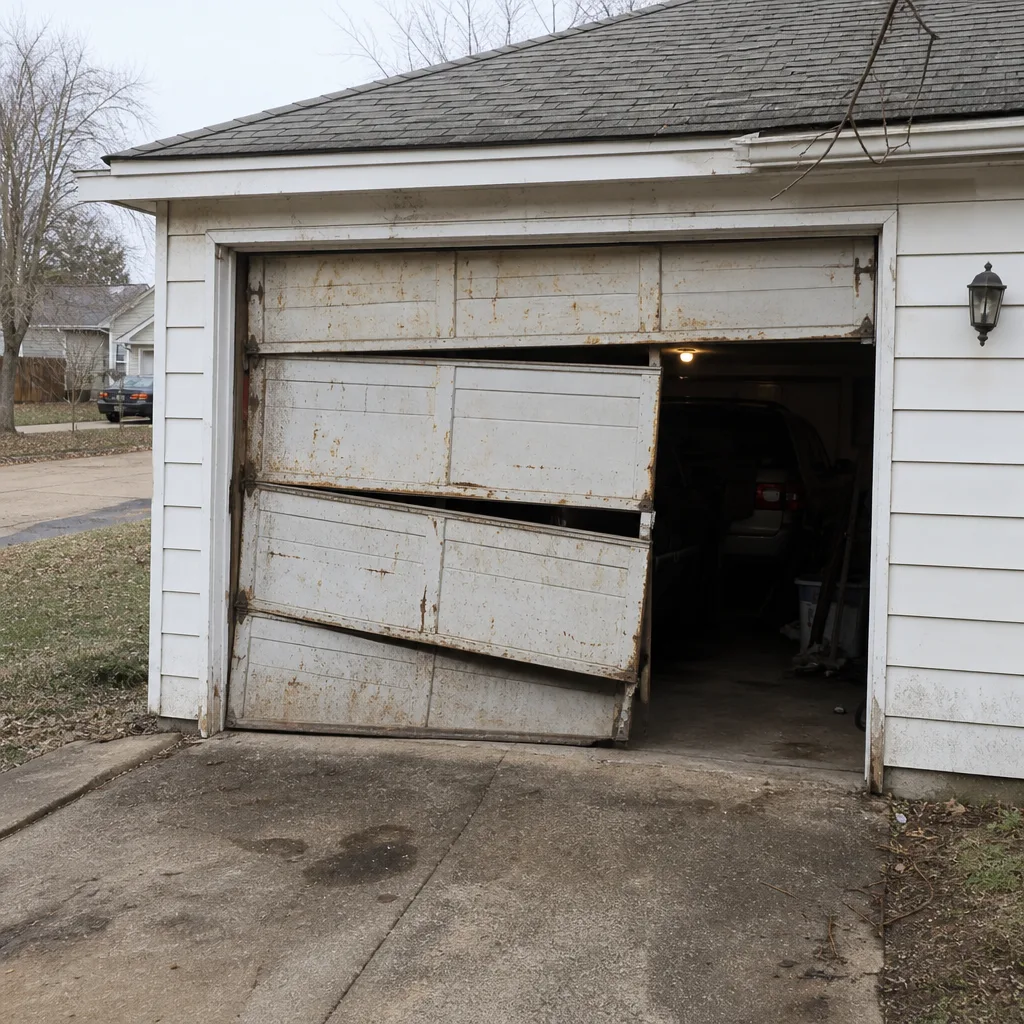
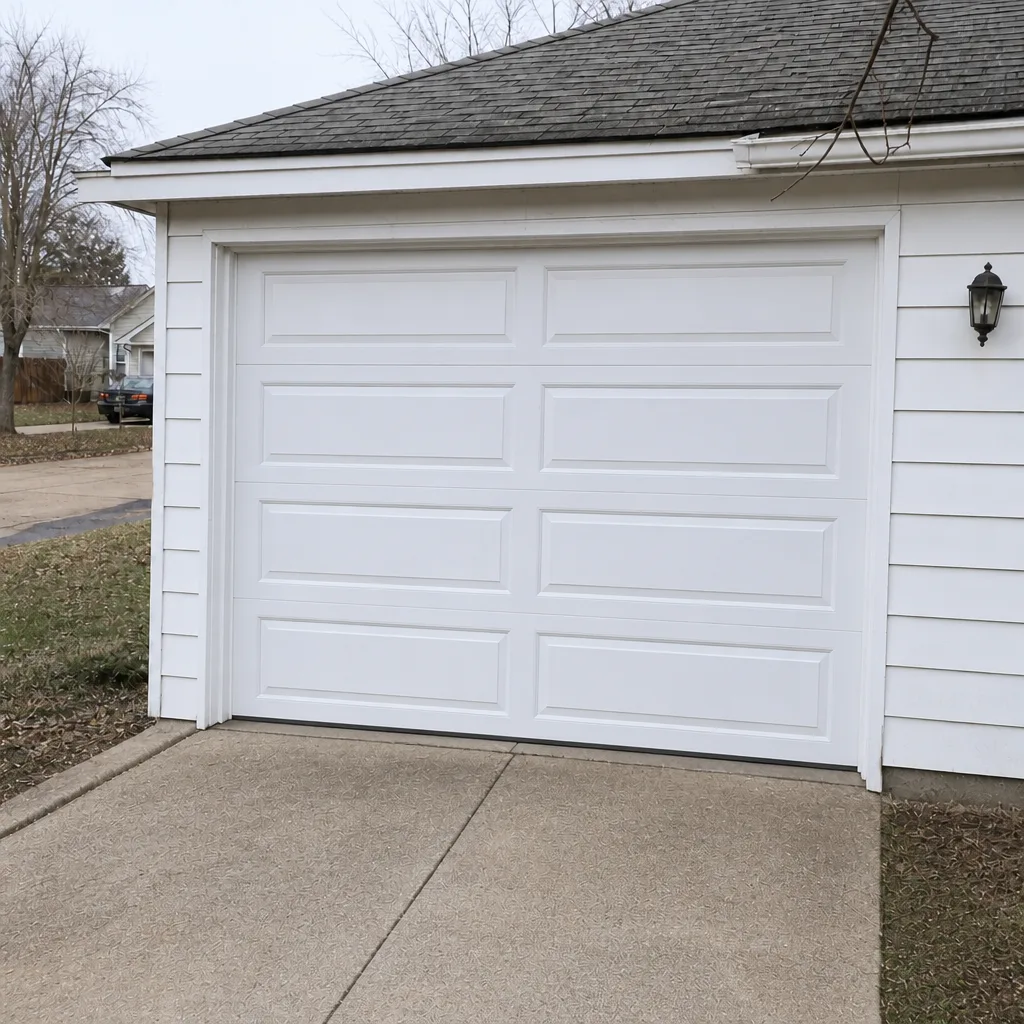
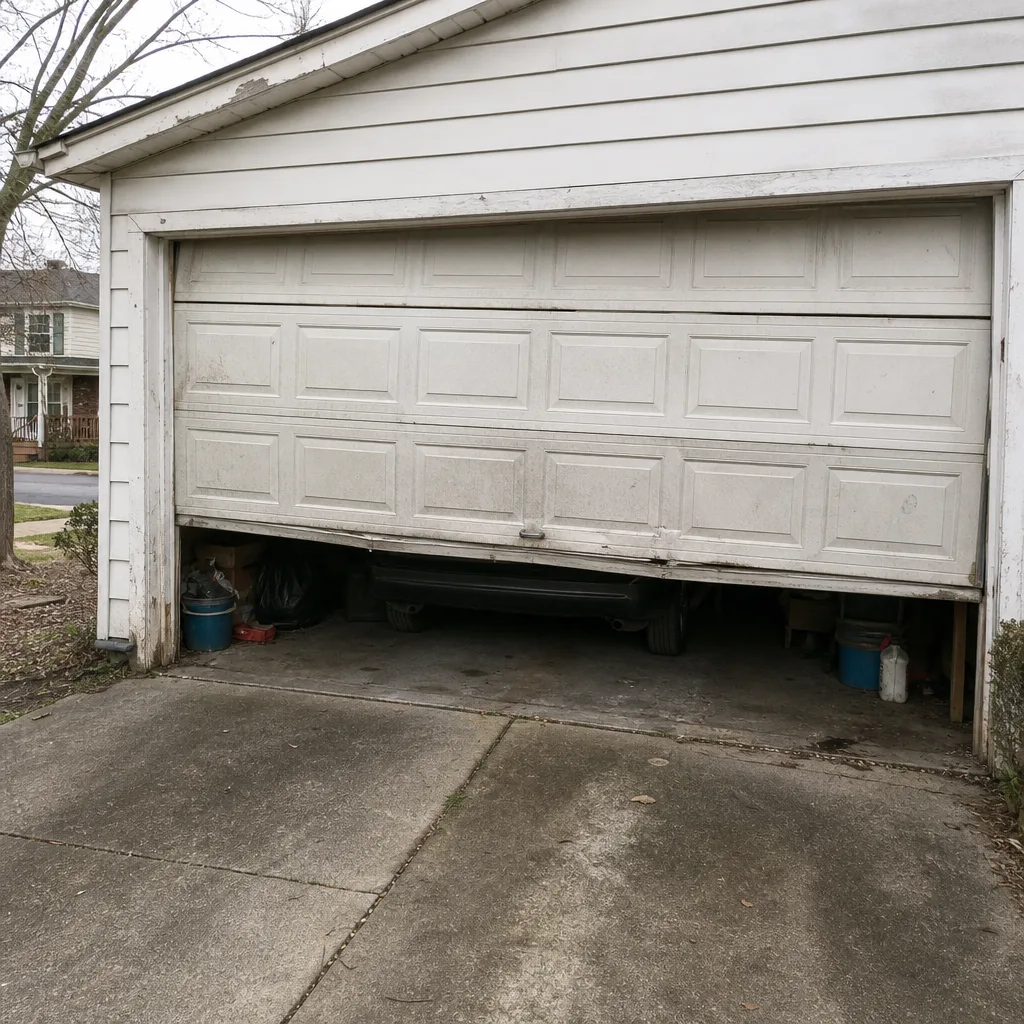
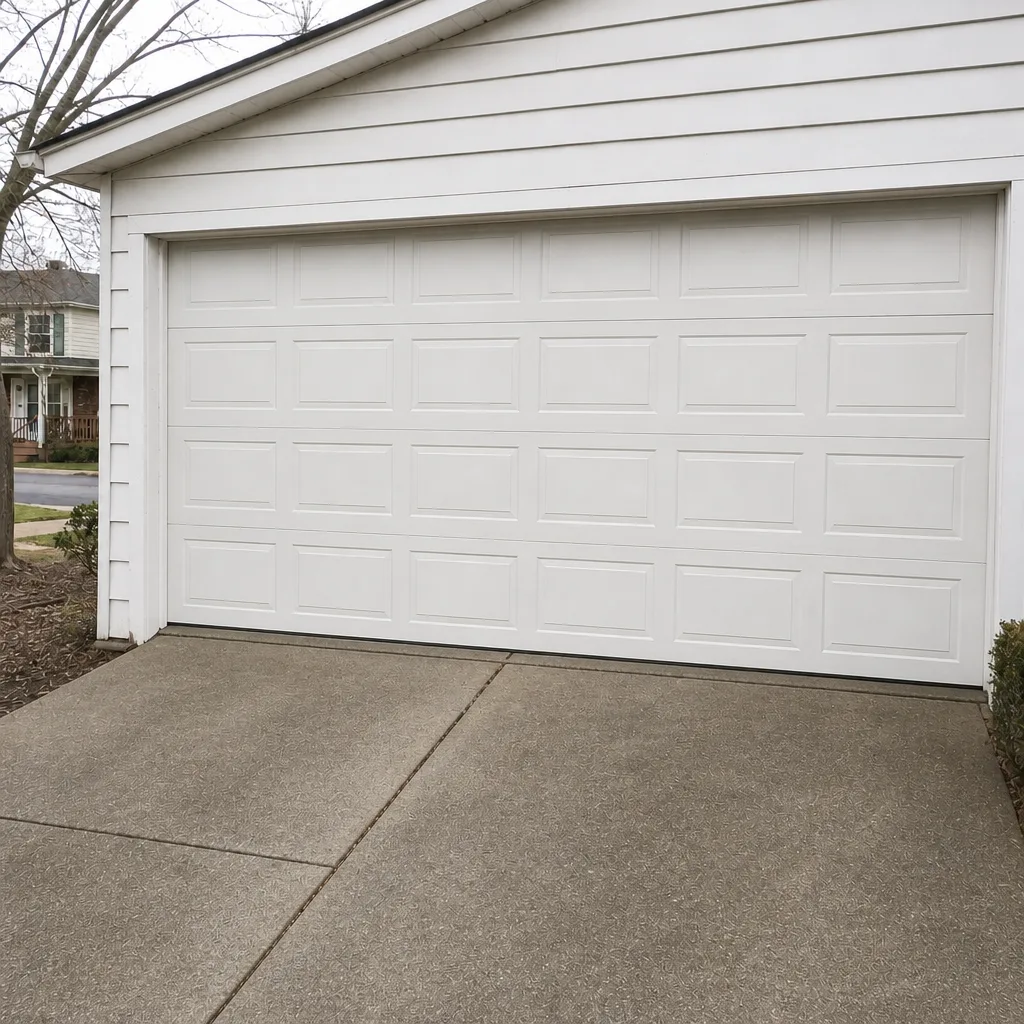
See the difference
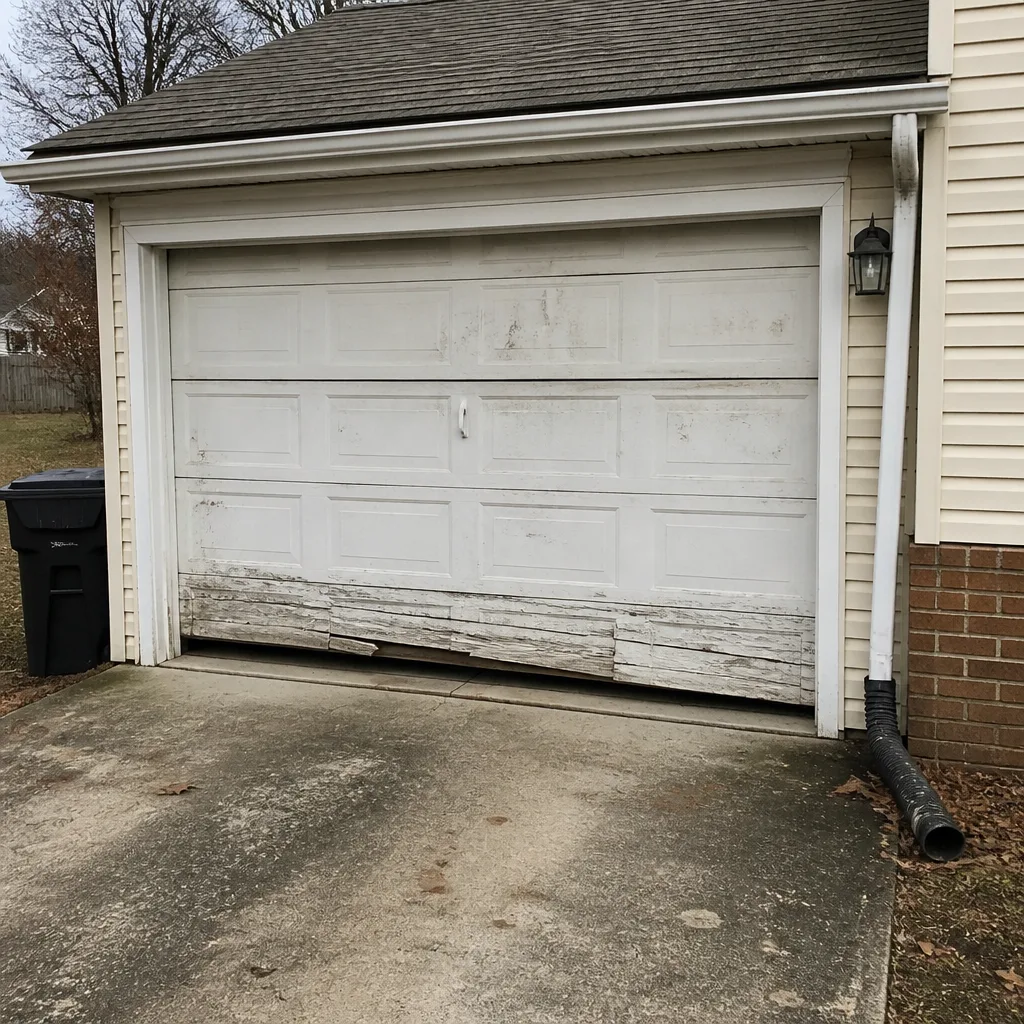 Before
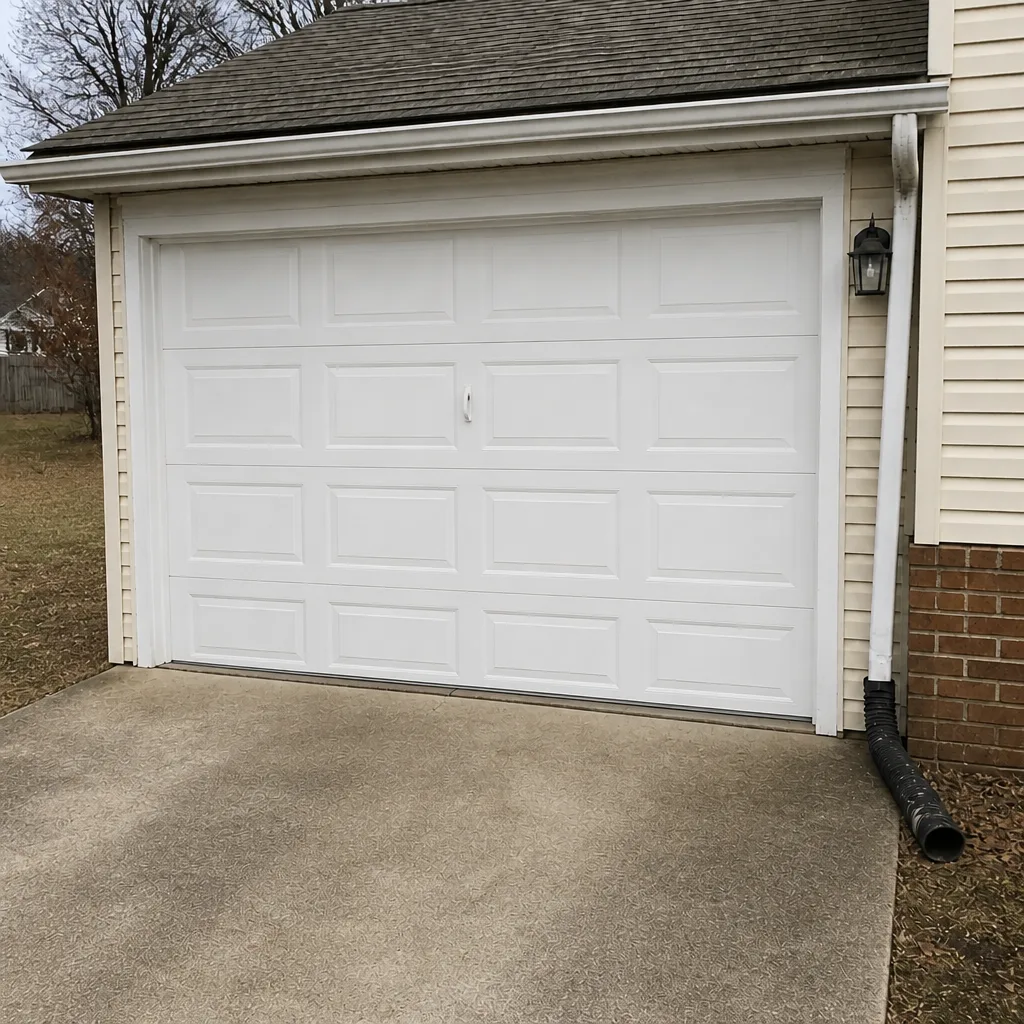 After
 Before
 After
 Before
 After
When to Call a Professional
Some maintenance is a homeowner job; some is not. Call a professional when the balance test fails or the door drops fast, when you hear grinding, scraping or a loud bang from the springs, when a cable looks frayed or is off its drum, when the door comes off the track or gets stuck halfway, when the safety reverse fails, or when the opener motor runs but the door doesn’t move. Springs and cables are the highest-risk parts on the whole system – if you’re unsure, stop and call. If the door has already stopped moving and you need it working today, our emergency garage door service and fast dispatch are built for exactly that. Waldorf Garage Door Repair Pros offers free estimates in Waldorf – call (844) 443-3856 for a visit. We answer 24/7, and dispatch runs from 7am to 7pm, Sunday through Friday. Same-day repair is available for most urgent failures.
Frequently Asked Questions
It depends on how many cycles it runs per day. Light use (1-2 cycles daily) needs a professional tune-up every 24 months; moderate use (4-6 daily) every 12 to 18 months; heavy use (8+ daily) every 12 months. Homeowner lubrication runs more often than the professional tune-up, roughly every 4 to 6 months. Call (844) 443-3856 if you want help setting the right interval; estimates are free.
Twice a year is usually enough for the torsion spring, and the coat should be light. Over-lubricating the spring is a leading cause of premature cable failure because excess grease traps grit against the winding cable. Apply white lithium or a dedicated garage door lubricant with the door closed so the spring is at rest. If you’re unsure, leave the springs to a technician; call (844) 443-3856 for a quote.
It’s a 10-second check that tells you whether your springs are losing tension before they snap. Close the door, pull the opener release cord to disconnect the motor, lift the door to waist height, and let go at the halfway point. A balanced door stays put or drifts slowly; a door that slams down or races up is out of balance. Reconnect the opener. If the door falls fast, stop running it and call (844) 443-3856 for a same-day repair.
Summer humidity is the main culprit. Condensation forms on cold metal in a warm, humid garage, which is exactly the environment that rusts hinges, bolts and roller shafts. A light coat of white lithium on the hinges in late spring holds rust off through the summer, and a quick wipe of any bare metal helps. If rust has already seized a hinge, call (844) 443-3856 – our team handles hardware repairs on any brand.
It can. Most opener manufacturers require evidence of professional maintenance in a claim, and several require it to keep coverage valid. That’s why we treat the annual tune-up as a warranty safeguard, not an upsell. A technician checks the force settings, travel limits and safety reverse – the settings most likely to wear silently. Call (844) 443-3856 for a tune-up quote.
We service eight major residential brands: LiftMaster, Chamberlain, Genie, Clopay, Amarr, Wayne Dalton, Craftsman and Raynor. That covers most systems already installed in Waldorf homes. If you’re not sure what you have, check the inside of the door panel or the opener housing for the model number. Call (844) 443-3856 and we’ll confirm before we dispatch.
The Bottom Line
A maintenance schedule only works if it matches the door. A heavy-use Waldorf door on a light-use schedule is how springs fail without warning. The tier system is the core takeaway: light use every 24 months, moderate use every 12 to 18, heavy use every 12. Layer the homeowner tasks on top – a light spring lube every 4 to 6 months, the 10-second balance test monthly, seasonal seal and rust checks for the humidity and freeze-thaw cycles that define our climate. The homeowner jobs catch the cheap problems; the professional tune-up catches the dangerous ones and keeps your warranty valid. From opener glitch to full installation, one call handles any brand. Call (844) 443-3856 for a free estimate. We answer 24/7, with fast dispatch from 7am to 7pm, Sunday through Friday.
Written by the team at Waldorf Garage Door Repair Pros.