
Last updated November 21, 2026
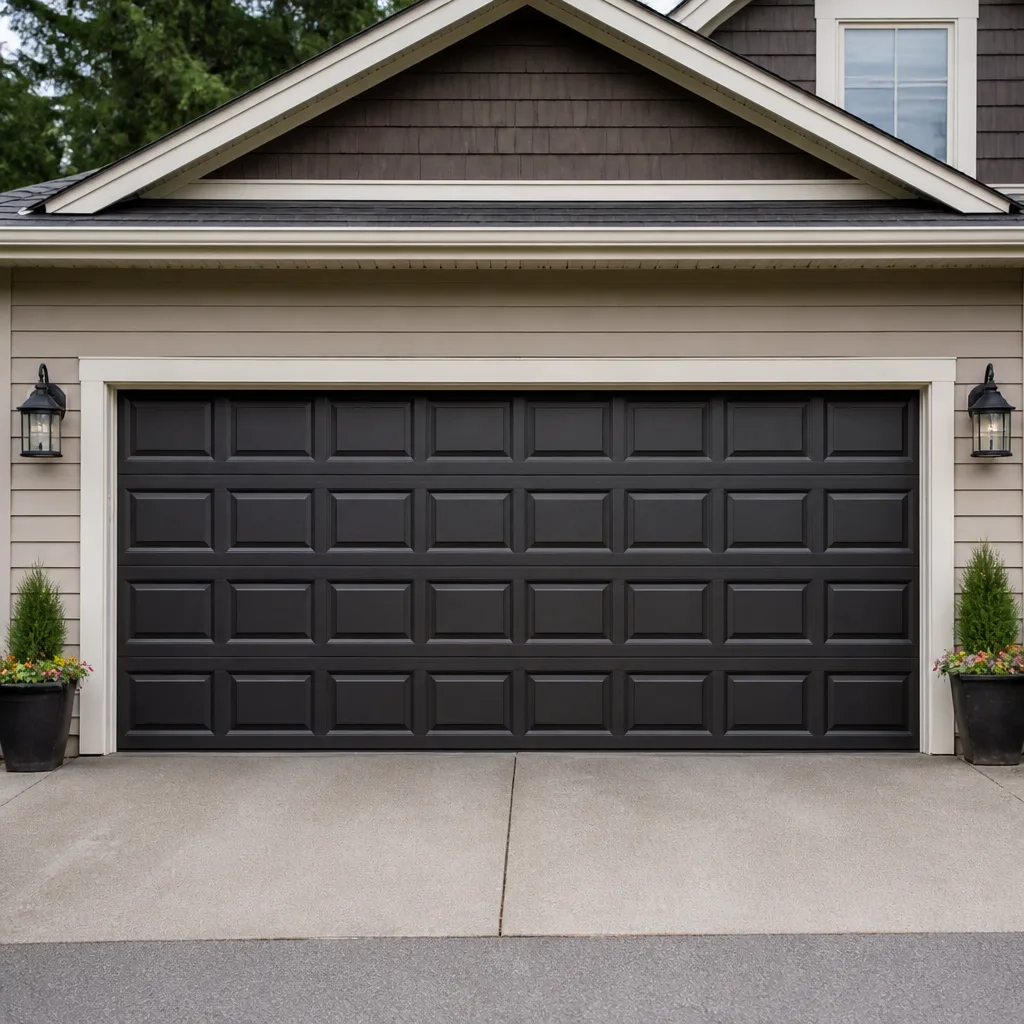 Raised-panel steel
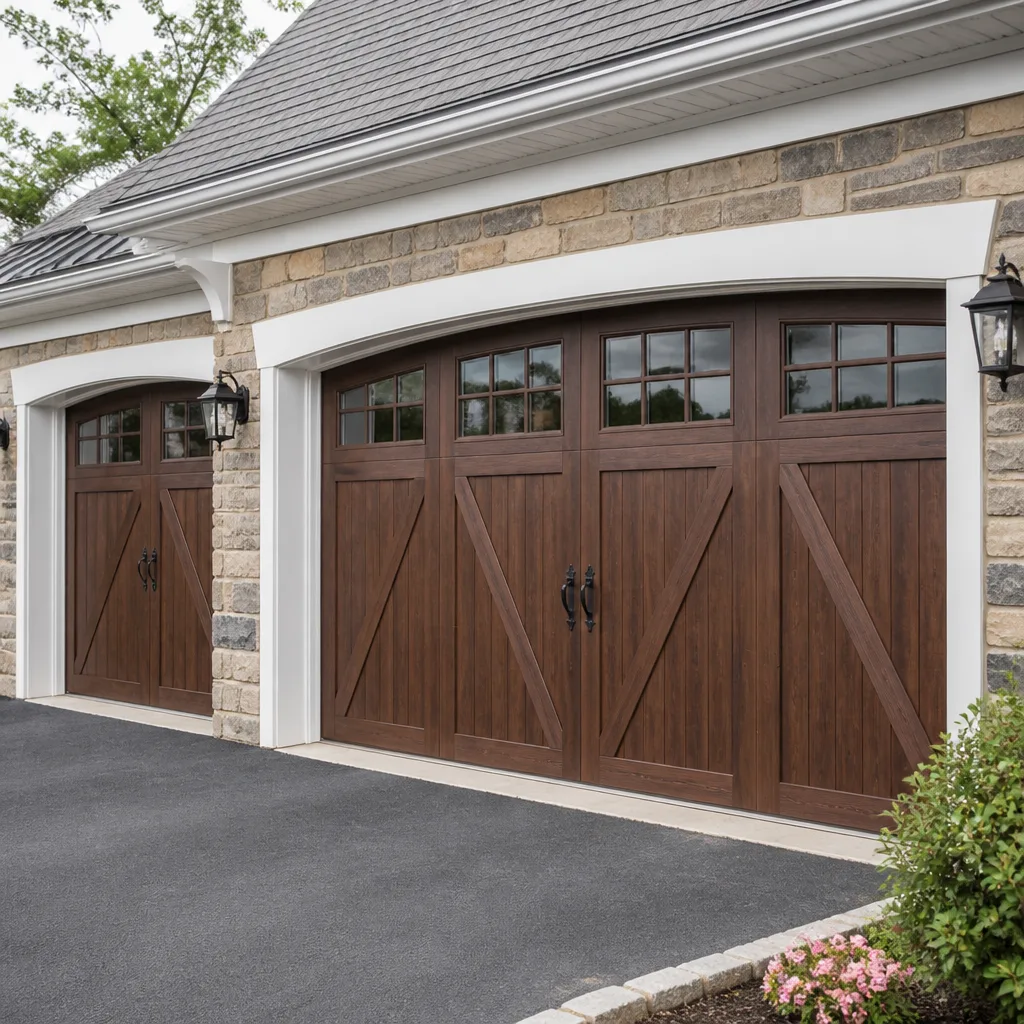 Carriage house
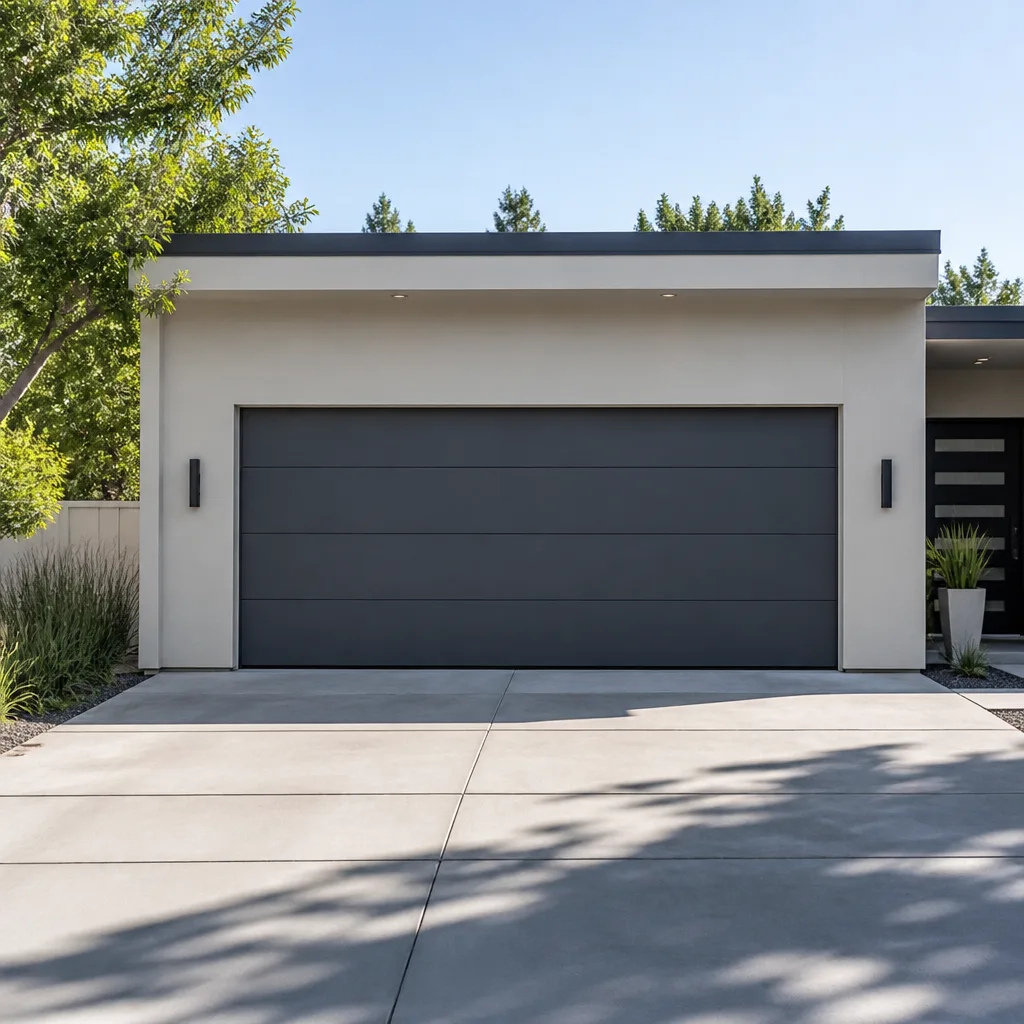 Modern flush
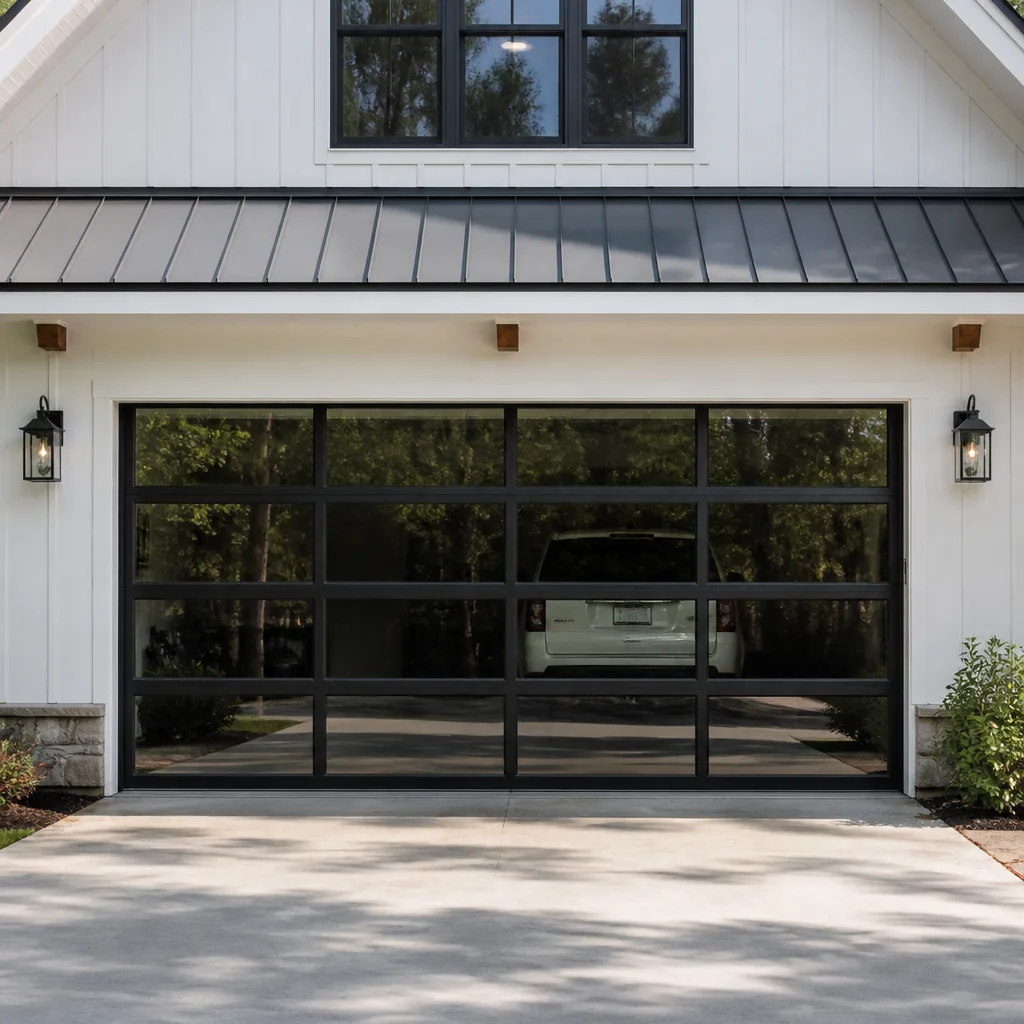 Full-view glass
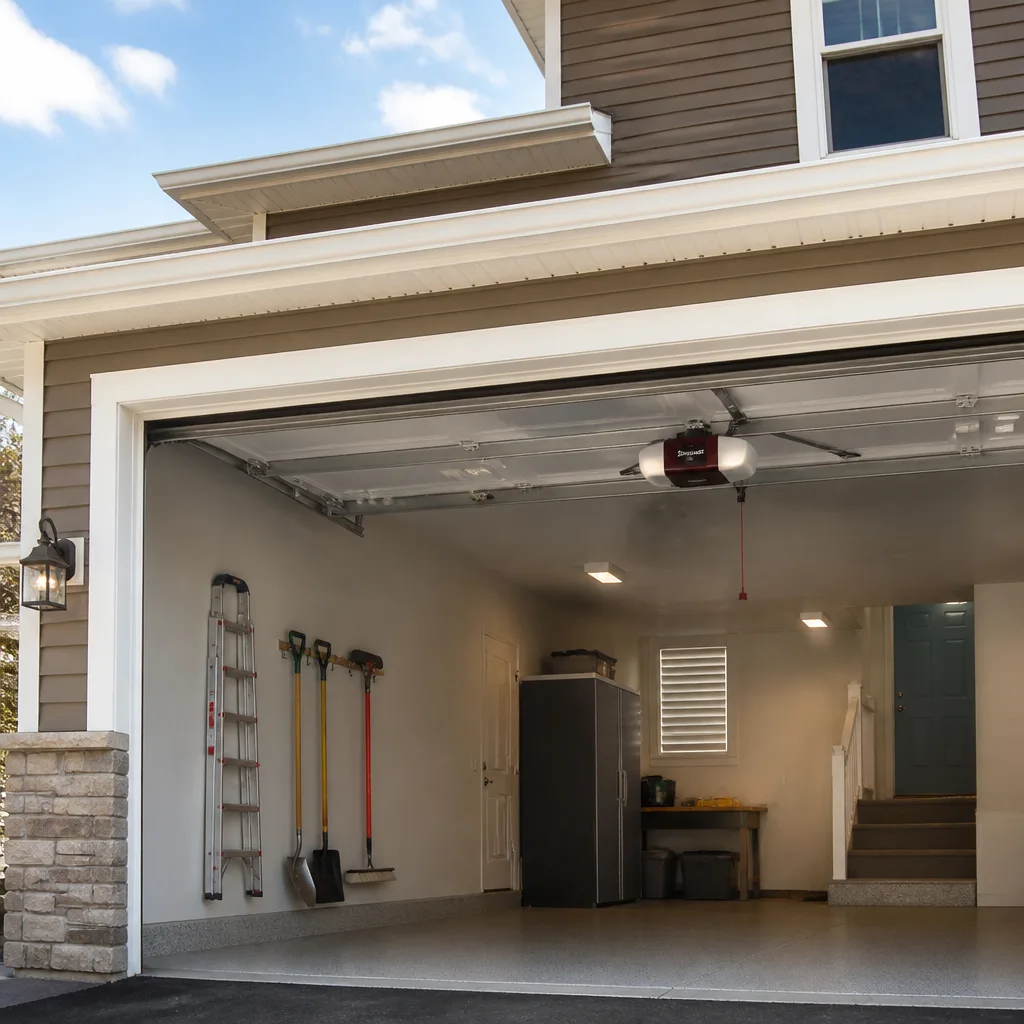 LiftMaster openers
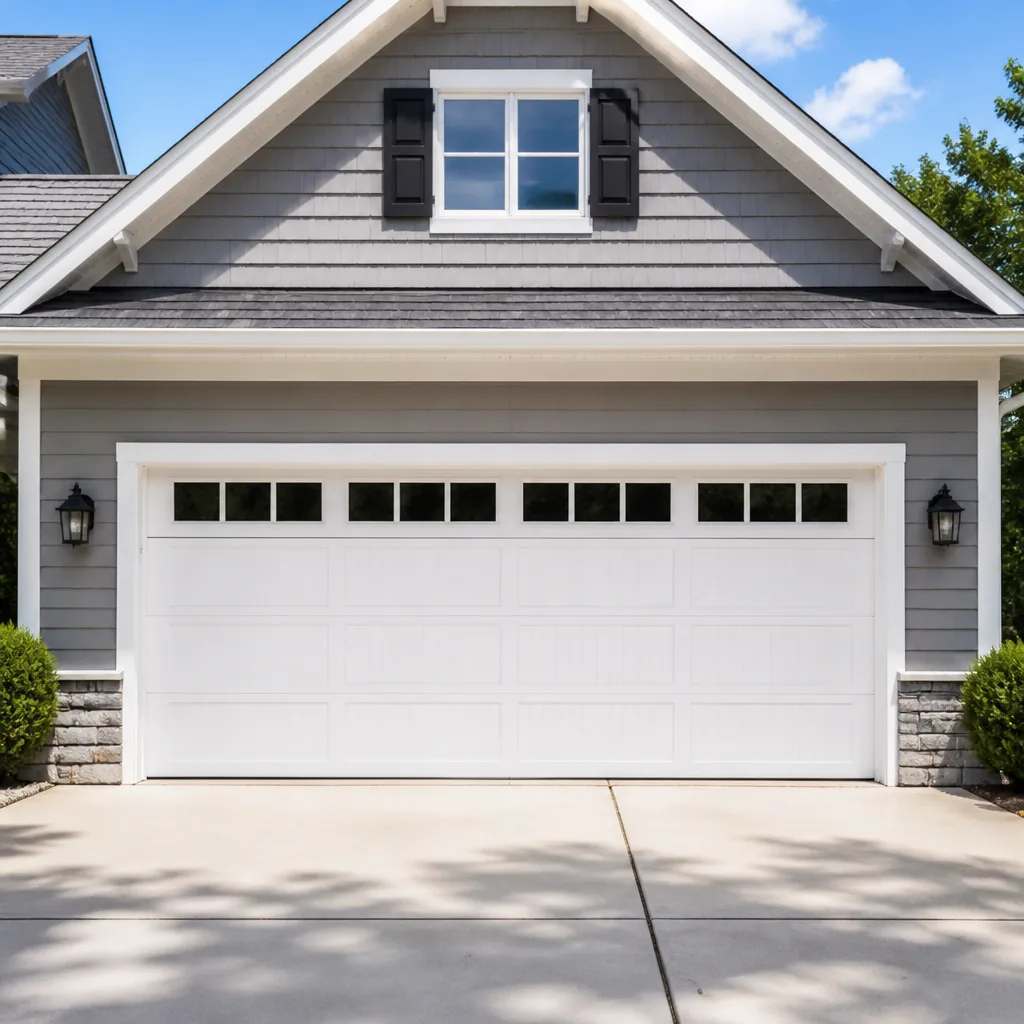 Chamberlain openers
Full 25-point door and opener safety check with every visit - springs, cables, rollers, tracks, and your LiftMaster or Chamberlain opener included
You get a price before we start. It does not change when the pro arrives.
Get your free estimateSeasonal Garage Door Care for Waldorf: Year-Round Homeowner’s Guide
The garage door failures that spike in January in Waldorf are almost never caused by January. They’re caused by what didn’t get done in October. By the time a spring snaps or a door freezes to the slab, the conditions that led to the failure were set weeks or months earlier, during a narrow window most homeowners miss entirely. The good news is that a garage door, despite being the largest moving part on the house, doesn’t need much: a few short tasks spread across the year, timed to the local climate. This guide walks you through each season in Waldorf, tells you what actually matters and when, and shows you the warning signs that mean it’s time to call a professional.
Quick Answer
In Waldorf, the highest-value garage door maintenance happens in late October: lubricate the moving parts, inspect the bottom seal, and have spring tension checked before the first hard freeze. Beyond that, one task per month through the year – humidity checks in summer, track realignment after ground thaw in spring, and storm prep before hurricane season – prevents most preventable failures. Anything involving springs, cables, or electrical work should go to a trained technician.
Styles & brands we work with
- Raised-panel steel
- Carriage house
- Modern flush
- Full-view glass
- LiftMaster openers
- Chamberlain openers
Table of Contents
- Why seasonal care matters more in Waldorf than in most places
- Fall preparation: the pre-freeze window that prevents most winter callouts
- Winter care: cold, snow, and the freeze-thaw cycle
- Spring ground-thaw realignment: tracks and sensors
- Summer humidity and condensation: the hidden rust paths
- Storm season readiness and power-loss planning
- The one-task-per-month schedule that fits real life
- Brand-specific notes for Clopay, Amarr, Wayne Dalton, and Craftsman doors
Why Seasonal Garage Door Care Matters More in Waldorf Than in Most Places
Waldorf sits in a climate band where garage doors face four distinct seasonal threats – not just summer heat or winter cold, but the transitions between them. Southern Maryland runs hot, humid summers with dew points that stay high well into September, then pivots to winters with repeated freeze-thaw cycles rather than long, steady cold. That cycle – water getting into a crack or gap, freezing, expanding, and thawing – is what does most of the damage to the door hardware, the weather seals, and the concrete at the threshold.
The other overlay is the storm season. Waldorf and the surrounding Charles County area see the highest risk of wind-driven rain and tropical-system remnants roughly from June through November, and a garage door is often the largest wind-facing surface on a house. A door that’s weather-tight and properly balanced rides those systems out. A door with a worn bottom seal, misaligned tracks, or a weak opener gets water where it shouldn’t be, and sometimes gets pushed out of alignment entirely.
Put those two overlays together, and the practical answer for Waldorf is that timing matters more than quantity. Doing a pile of work in a single weekend in July is far less useful than doing one small task each month and getting the big one – the late-October freeze prep – done before the cold arrives. The rest of this guide is built around that idea.
What we see most often in Waldorf
The pattern that repeats is a door that’s been fine all year and then fails at the first cold snap. Nine times out of ten, the failure traces back to one of three things: a hinge or roller that seized over a humid summer, a bottom seal that shrank and let in moisture during fall, or a spring that was already under tension and gave up when the metal got cold. None of these start in the cold. All of them are visible or preventable in October. That’s why we treat late October as the maintenance deadline here, not the first frost.
Fall Preparation: The Pre-Freeze Window That Prevents Most Winter Callouts
If you do only one block of garage door care per year in Waldorf, do it in the two weeks before the long cold settles in, and do it with three things in mind: lubrication, the bottom seal, and spring tension. Those three cover the majority of winter callouts we see – not because winter is brutal, but because winter is cold enough to break anything that’s already marginal.
The right window in Waldorf is roughly October 15 to October 31. The goal is to finish before the first stretch of nights that stay well below freezing, because the lubrication job is far less effective once the parts are cold and stiff. If you catch it slightly later, that’s still better than skipping it – but the closer you get to the holidays, the more the odds tilt toward a January surprise.
1. Pre-freeze lubrication
Lube the moving metal parts, not the tracks themselves. A common mistake is spraying lubricant up and down the tracks; that just attracts dirt and grit and eventually makes rollers slide instead of roll. Instead, use a garage-door-specific lubricant on:
- Roller stems (where the roller enters the hinge) – a small dab on each
- Hinge pivots – one small spray per hinge, on the pin
- Spring coils – a light wipe-down, only if the spring is a torsion spring and only if you’re comfortable doing it without touching the metal
- The opener’s rail and chain or belt – per manufacturer guidance, usually a light grease rather than a spray
- The lock cylinder, if your door has one – spray once from the top and once from the key side
Cold metal is unforgiving to a dry hinge. Winter failures we see at the start of a cold snap almost always involve a part that had been quietly stiffening for weeks. Lubrication buys you a season.
2. Bottom seal inspection
The bottom seal (sometimes called the astragal) is a rubber or vinyl strip that runs along the very bottom of the door. Its job is to keep water, cold air, and small pests out. In Waldorf’s climate, that strip takes the most abuse of anything on the door: it sits against concrete, gets baked in summer, freezes and thaws in winter, and shrinks a little every year. By the time you can clearly see daylight under the door, it’s been leaking for a while.
Fall is when you want to check it. Get down at eye level with the door closed and look along the seal. Cracks, flattened spots, and any gap that lets light through mean it’s time to replace. A replacement seal is a small job for a technician and can be done in the same visit as a fall tune-up. It’s also the cheapest single thing you can do to prevent moisture from getting at the door’s lower panel.
3. Spring tension check
A trained technician should check the springs before the cold season, because a spring that’s near the end of its life tends to fail when the metal gets cold and brittle. The check isn’t something a homeowner should do – the springs are under high tension, and a spring or cable that lets go under load can cause serious injury. What you can do, safely, is watch and listen: does the door feel noticeably heavier when you lift it by hand (with the opener disconnected)? Does it open unevenly, or pause? Is there a visible gap or kink in a coil? Any of those mean it’s time to have the springs looked at by someone trained to work on them. Spring repair is one of the services we take most seriously, and a fall check is exactly the right time for it.
Winter Care: Cold, Snow, and the Freeze-Thaw Cycle
Winter is the season when garage door issues are most visible and least convenient, but it’s also the season with the fewest maintenance actions. Most of the work has already been done in fall. What’s left is small, quick, and about managing the specific stresses of a Maryland winter: short days, occasional snow, and near-daily freeze-thaw at the concrete threshold.
Waldorf winters aren’t extreme by national standards, but they’re cold enough to matter and variable enough to be unpredictable – a stretch of mild days followed by a hard freeze is normal, and that pattern stresses door hardware more than steady cold would. The freeze-thaw cycle is the real story: moisture that gets into a gap or into the seal expands when it freezes, and that repeated expansion slowly opens cracks and shifts seals.
What to do in December, January, and February
- Clear snow and ice away from the threshold. Don’t shovel snow onto the door or against the bottom seal; that traps moisture and accelerates seal deterioration. Clear a path in front of the door and leave the door itself alone.
- Watch for the door freezing to the slab. After a wet, cold night, the bottom seal can freeze to the concrete. Don’t force the opener. Disengage the opener manually, lift the door free by hand, and re-engage. If it happens repeatedly, the seal needs replacing.
- Listen to the opener. Cold puts extra load on the opener motor and the door’s balance. If the opener sounds strained, or the door reverses for no reason, that’s a sign of either a balance problem or a failing opener – both worth a technician’s look.
- Check the sensor alignment after snow. Snow piled against the photo-eye at the base of the track, or a small shift in the bracket from ice movement, will cause “door won’t close” issues. Clear the sensor, wipe it clean, and check that the indicator light is steady, not blinking.
- Don’t use salt on the door track or threshold. Rock salt and ice melt products are hard on metal and on the rubber seal. Sand or a rubber-blade shovel is enough.
How to safely disengage a door in a power loss
- Find the manual release cord, which hangs from the opener’s trolley – usually a red handle on a short rope.
- Pull the cord straight down and toward the door, firmly, until you feel it disengage the trolley.
- Lift the door by hand slowly. A properly balanced door will lift with reasonable effort; if it’s heavy or won’t stay up when you let go, don’t force it – get help.
- When power returns, re-engage the trolley by pulling the cord back and running the opener once to reset the travel.
If the door is stuck open in a cold snap, or the opener has failed and the door can’t be manually operated, that’s the time to call. Emergency service exists for exactly these situations.
Spring Ground-Thaw Realignment: Tracks and Sensors
Spring is the season for checking alignment, not for heavy maintenance. The reason is the freeze-thaw cycle: as the ground under the garage slab thaws and settles each spring, the door frame shifts a fraction of an inch, and that’s enough to push the vertical tracks slightly out of plumb or shift the sensor brackets. A door that closed smoothly in November can start dragging, scraping, or reversing in March – and the cause is almost never the door itself. It’s the ground moving.
Waldorf sees this every year. The ground here expands with the freeze and contracts as it thaws, and the effect on a garage door frame is subtle but real. It’s also easy to correct, as long as you catch it before the door’s been running against a misaligned track long enough to wear a roller or bend a hinge.
What to check in March and April
- Track plumb: With the door closed, look at each vertical track. It should be straight up and down and parallel to the door edge. A track that’s visibly bowed or angled means realignment is due.
- Door edge gap: The gap between the door and each vertical track should be even from top to bottom. Uneven gap means the track has shifted.
- Roller contact: Rollers should sit fully inside the track, without riding on the edge. A roller that’s popped or worn on one side is a sign of a track that’s been out of alignment for a while.
- Sensor alignment: The two photo-eyes at the base of the tracks should point at each other, with steady (not blinking) indicator lights. If one is bumped or angled upward from ground movement, the door will refuse to close reliably.
- Auto-reverse test: Put a small block of wood on the ground under the closing door and let the door down onto it. The door should reverse on contact. If it doesn’t, that’s a safety issue that needs attention before anything else.
Why this is a spring task, not a fall task
Track alignment is stable through summer and fall. It’s the thaw that disturbs it. Checking in spring catches the displacement before it has a full season to wear the rollers and hinges. Fall is too late – the misalignment has already been in place through the busy months. This is one of the few maintenance items where Waldorf’s climate genuinely changes the timing: in a milder climate, alignment would be an every-few-years check; here, it’s worth a look every spring.
Summer Humidity and Condensation: The Hidden Rust Paths
Summer in Waldorf is where the invisible damage happens. The combination of high humidity, warm nights, and air conditioning means the door’s steel or aluminum panels go through a daily condensation cycle: moisture builds on the cool outer face and on any metal surface that’s cooler than the surrounding air, and then evaporates when the temperature rises. That cycle alone is survivable. But where the panels overlap – the seams, the joints, the points where the panel’s paint has a tiny chip – moisture collects and stays. That’s where rust starts, and it’s usually invisible from the outside until the panel begins to fail.
We’ve seen this on Clopay and Amarr panels in particular, because both brands use multi-layer steel construction with seams at panel edges and at the stile connections. The seams are engineered to shed water, but they depend on the paint and finish being intact. Once a chip or a scratch opens a path in, the humidity does the rest. A door that looks fine from the street can have rust creeping along the inside of a panel edge for years.
How to check for hidden rust in June, July, and August
- Look at the seams, not the panels. Run a flashlight along the horizontal and vertical seams on the inside of the door. Rust shows as orange-brown staining or bubbling paint, much easier to see on the inside face than the outside.
- Check the panel edges at the bottom. The lower edge of each panel is where water pools. Staining there is an early sign.
- Inspect hinges and hardware. Small rust spots on the hinges don’t mean the door is failing, but they do mean the finish has broken down – and that’s worth addressing before it spreads.
- Keep the garage ventilated. On dry days, opening the garage door for an hour during the morning helps dry out the interior. A small dehumidifier or a passive vent helps more.
- Touch up paint chips promptly. A dab of matching touch-up paint on a chip is the cheapest rust prevention there is.
Humidity and the opener
The opener sits in the hottest, most humid part of the garage. If you run a Wi-Fi-connected opener – LiftMaster, Chamberlain, Genie, and Craftsman all make units that sync with a smartphone – summer is a good time to check that its firmware and app are current and the unit is still responding reliably. A unit that’s overheating or losing its network connection intermittently in July can be a sign it’s working harder than it should. It’s also worth watching the belt or chain tension; warm weather can change drive tension in a way that shows up as a rattle or a slower cycle.
Storm Season Readiness and Power-Loss Planning
Storm season in Waldorf runs roughly from June through November, with the highest risk of tropical-system remnants and severe thunderstorms in the late summer and early fall. A garage door is a large wind-facing surface, and getting ready for a named storm isn’t complicated, but it’s the kind of thing that’s much easier to do a week ahead than an hour before landfall.
Before a named storm
- Close and lock the door, and confirm the opener is engaged.
- Clear loose objects from the garage and the driveway that wind or water could carry against the door.
- Check the bottom seal and the weatherstripping around the perimeter – a tight door resists wind-driven rain far better than a loose one.
- Make sure the manual release cord is accessible and not tangled in stored items.
- If your area is in a flood or storm-surge advisory, move anything valuable off the garage floor and, if possible, park the car outside or on higher ground.
- Know how to disengage the door manually (the steps in the winter section above), and confirm the release works smoothly while you’re not under pressure.
During and after a power loss
If power goes out and the door is closed, leave it closed and disengage the opener manually if you need to open it. Don’t force it. After the storm, check the door’s alignment before running the opener – high wind can shift a track or a panel enough that powering the door back up does more damage than it fixes. Look for panels that have popped out of their stiles, bent hinges, or a door that’s visibly off-center. Any of those mean calling a technician before you try the opener again.
If the storm has left the door stuck open, jammed, or visibly twisted, that’s a case for emergency service rather than a wait-and-see. Getting a door back to closed and locked matters as much as getting it working.
The One-Task-Per-Month Schedule That Fits Real Life
Here’s the schedule that actually gets followed in Waldorf. It’s one short task per month, not a pile of work dumped on a single Saturday. The monthly format matters because most garage door damage happens when a small task goes undone for long enough to become a bigger one. A 15-minute check in August prevents a rust repair in October.
You don’t need special tools for any of these. A flashlight, a rag, and a can of garage-door lubricant are about it – everything else can be a technician’s job in the regular tune-up.
The Waldorf twelve-month garage door calendar
| Month | Task | Why it matters here |
|---|---|---|
| January | Clear snow and ice from threshold; check that the door isn’t frozen to the slab | Freeze-thaw at the threshold is the top winter issue |
| February | Listen to the opener; check sensor indicator lights | Cold puts extra load on opener and sensors |
| March | Check track plumb and door edge gap | Ground thaw shifts tracks |
| April | Auto-reverse test; sensor alignment | Post-thaw safety check |
| May | Wash and inspect door for paint chips | Early rust prevention before summer humidity |
| June | Interior seam inspection with a flashlight | Hidden rust shows up in the seams |
| July | Check weatherstripping around perimeter | Heat and humidity wear the seals |
| August | Test and update Wi-Fi opener app | Opener works hardest in summer heat |
| September | Pre-storm check; confirm manual release works | Peak storm season |
| October | Full pre-freeze prep: lubricate, check bottom seal, schedule spring inspection | The most important month of the year |
| November | Final weatherstripping and seal check | Last chance before hard freeze |
| December | Clear snow path; listen to opener | Cold season basics |
That’s the whole schedule. If a month gets skipped, the next one still works fine as a catch-up. The one month worth not skipping is October.
Brand-Specific Notes for Clopay, Amarr, Wayne Dalton, and Craftsman Doors
Seasonal care is mostly about the door’s moving parts, but a few brand-specific notes are worth knowing. Waldorf Garage Door Repair Pros works on the door system you already own, and the four brands below come up often in this area.
Clopay doors
Many Clopay steel doors use a multi-layer construction with a stile-and-panel system. The seams between panels are the first place rust will show in a humid summer, and they’re also where the seal (between the door and the frame) needs to be checked for shrinkage. Clopay’s steel doors tend to have powder-coated finishes that hold up well but still benefit from touch-up paint on chips.
Amarr doors
Amarr’s residential steel doors are common in Charles County. The lower panel edges and the hinge points get the most wear. In fall, make sure the bottom seal and the hinge grease points are in good shape; the Amarr steel panel’s bottom edge is where the winter moisture tends to concentrate.
Wayne Dalton doors
Wayne Dalton makes both steel and composite doors, and the composite models behave a little differently in humidity – they’re less prone to rust, but the finish can fade in prolonged sun. In summer, check the sun-facing panel for any sign of dulling or chalky finish. If you have a Wi-Fi or smart opener paired to a Wayne Dalton door, the spring balance and opener tension work together, so a tune-up that includes a spring check is worth timing with the fall prep.
Craftsman doors and openers
Craftsman openers are some of the most common in Waldorf homes. Most current Craftsman openers pair with a smartphone app, and the summer and fall are the best times to check that the app is up to date and the Wi-Fi connection is stable. During a power loss, confirming the manual release works smoothly is worth the two minutes it takes.
Common Mistakes to Avoid
- Spraying lubricant on the tracks. It seems logical, but it attracts grit and dirt and makes the rollers slide rather than roll. Lube the rollers, hinges, and springs, not the tracks.
- Skipping the October prep because “it’s not that cold yet.” The two weeks before the hard freeze are the whole point. Once the nights are consistently cold, the lubrication job is less effective and spring failures are more likely.
- Forcing the door after a cold night. If the bottom seal has frozen to the concrete, lifting with the opener can strain the opener and the door’s balance. Disengage and lift by hand first.
- Ignoring seam rust in summer. Rust that shows up inside a panel seam in August is a warning, not a cosmetic problem. Left alone, it’s the panel failure that shows up next spring.
- Assuming spring is fine because the door still opens. Most spring failures in Waldorf trace back to a spring that was already overstressed in fall. A fall check catches it before it snaps.
- Assuming the sensors will “just work” after winter. The freeze-thaw cycle moves the brackets. A quick test each spring catches the misalignment that would otherwise trip the door closed on the car.
- Doing spring or cable work yourself. Springs and cables are under high tension and can cause serious injury if handled wrong. A trained technician has the tools and the experience. Leave the springs to us or another trained professional.
See the difference
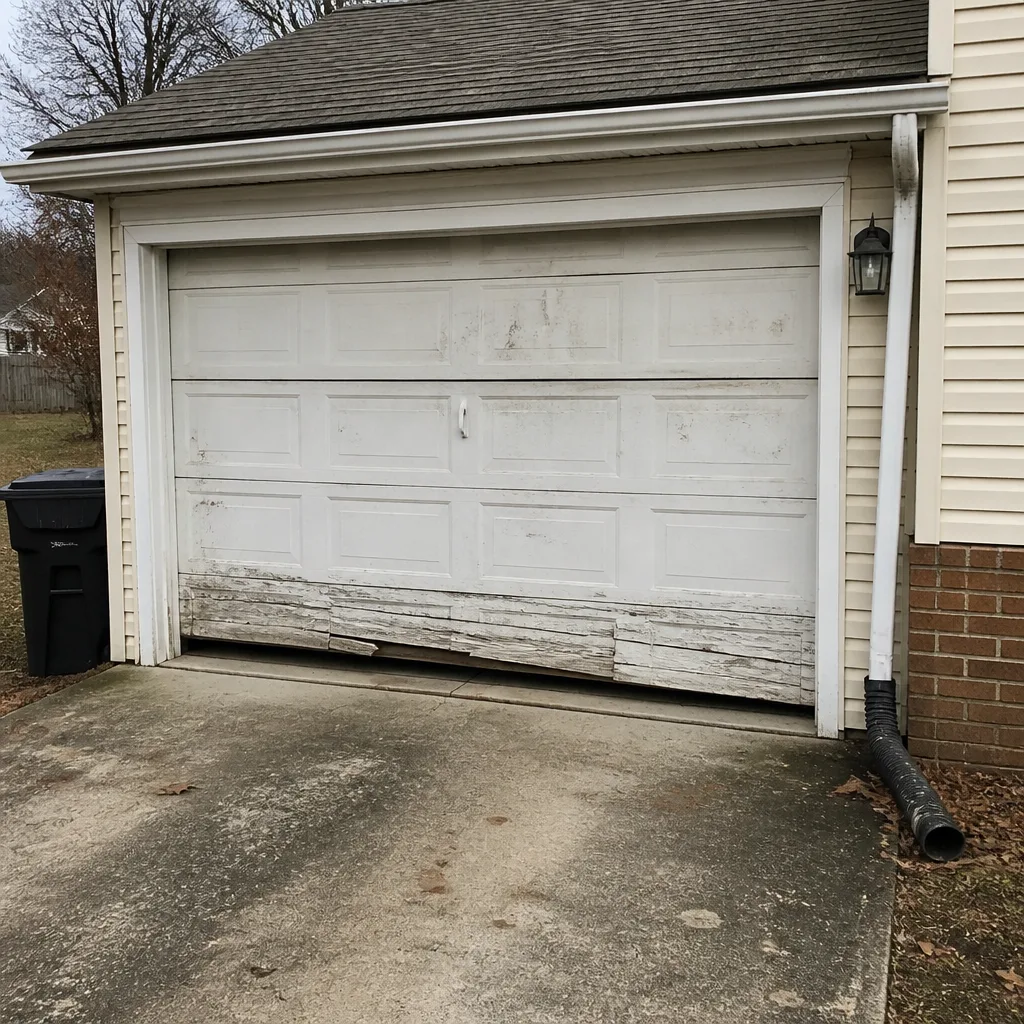 Before
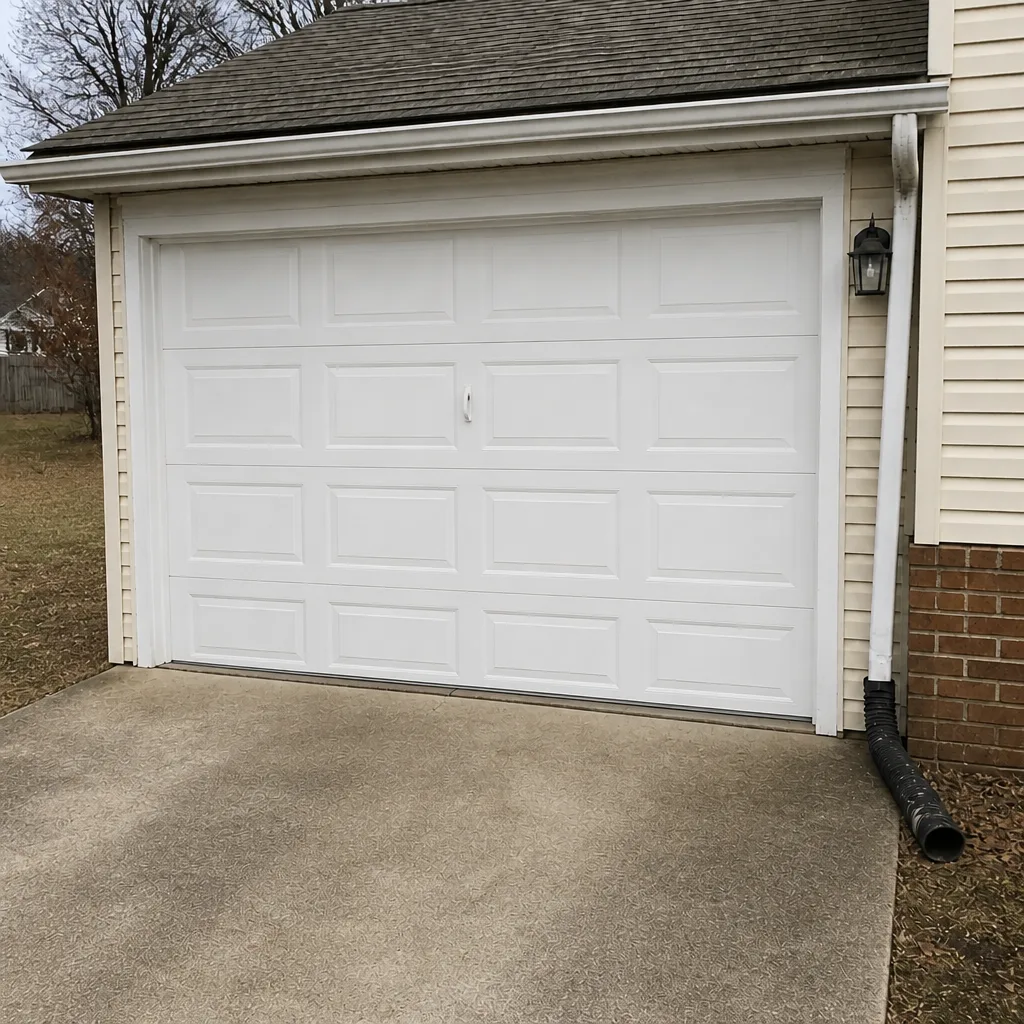 After
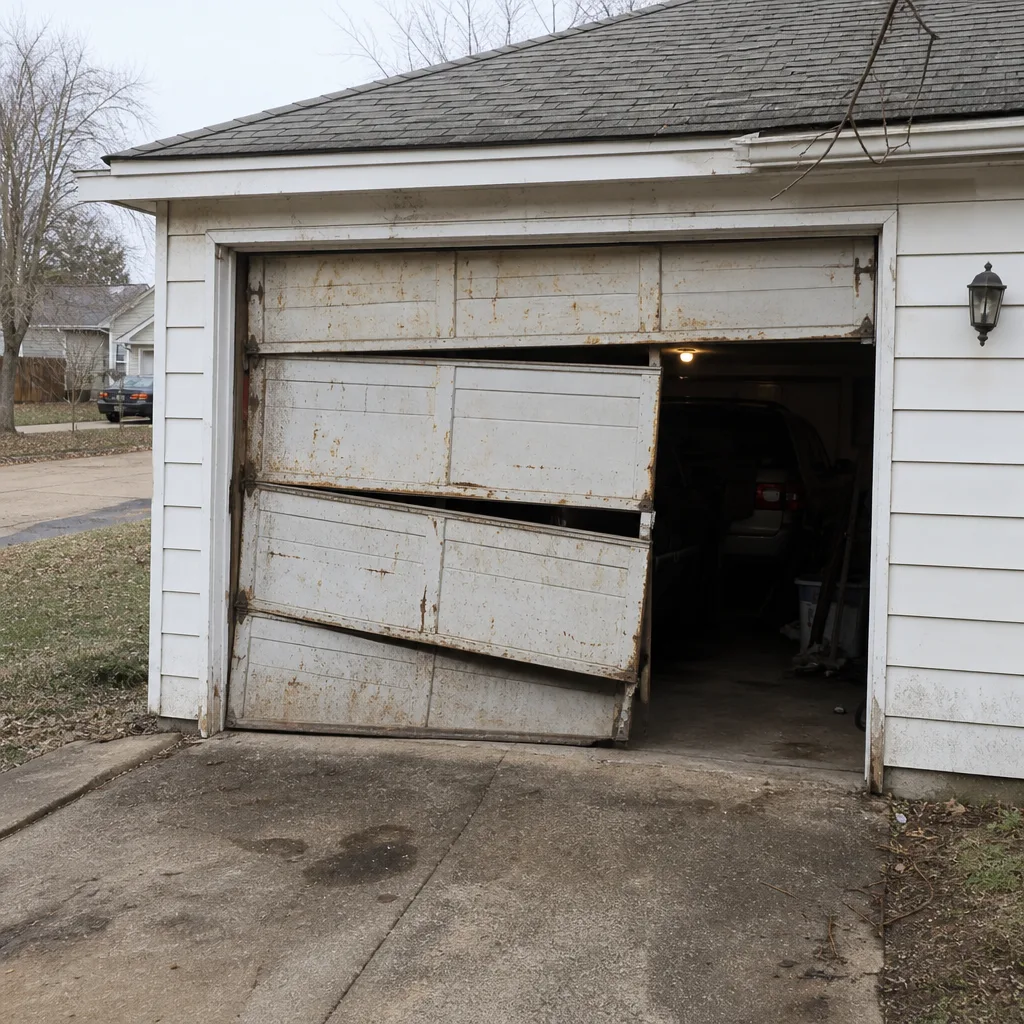 Before
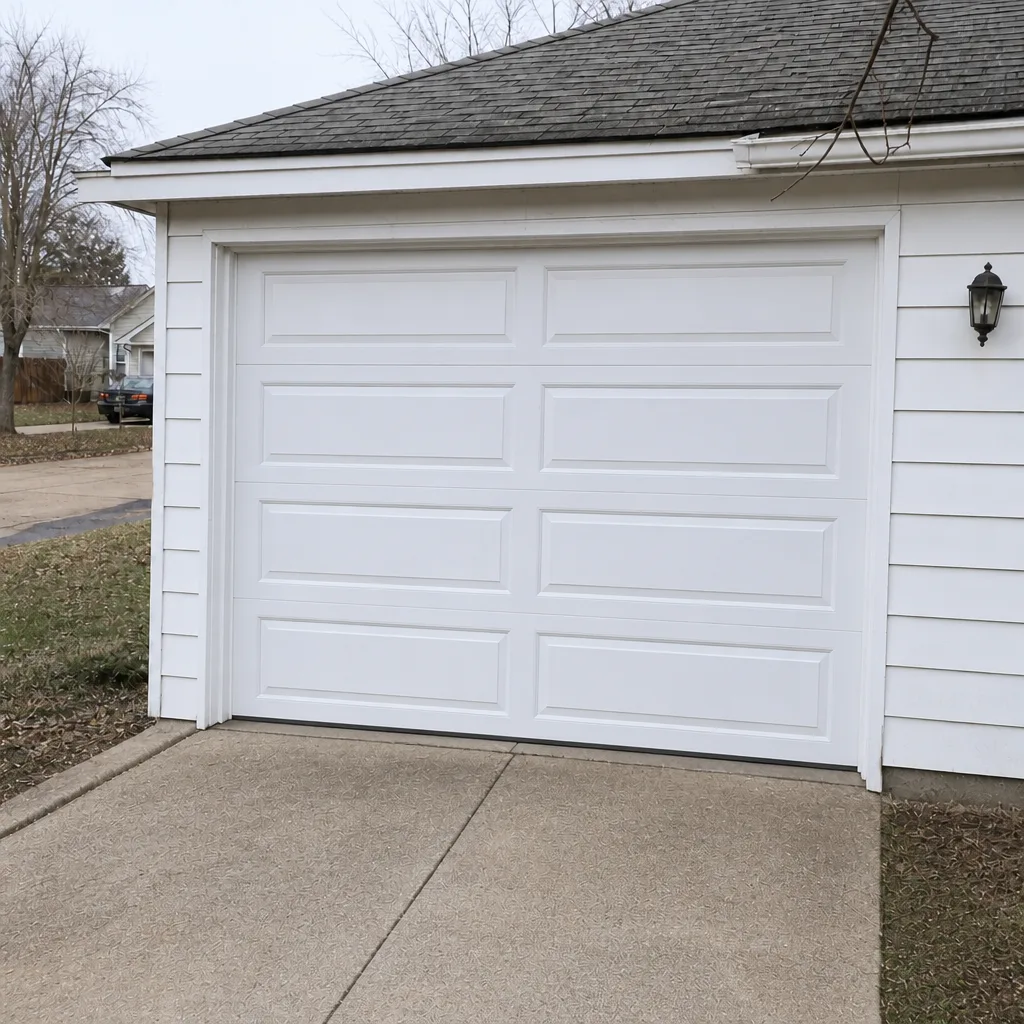 After
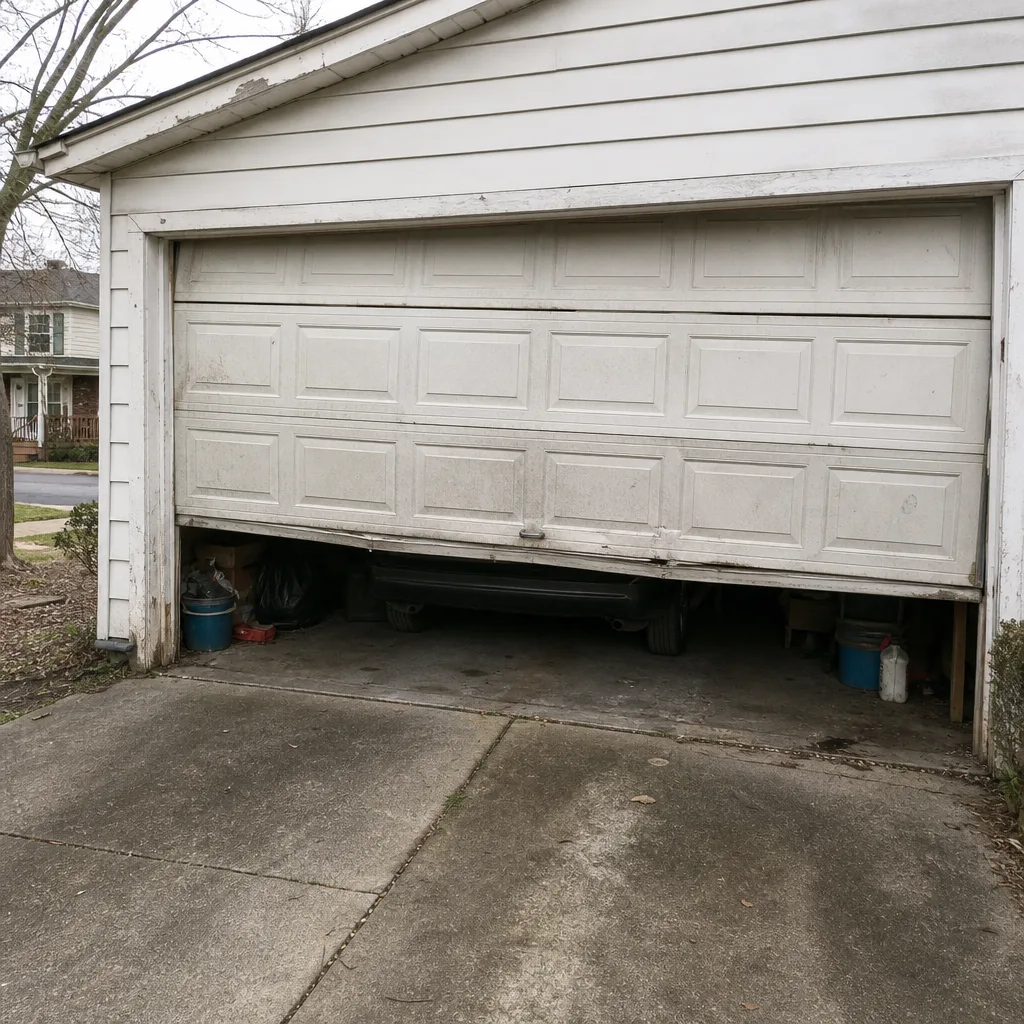 Before
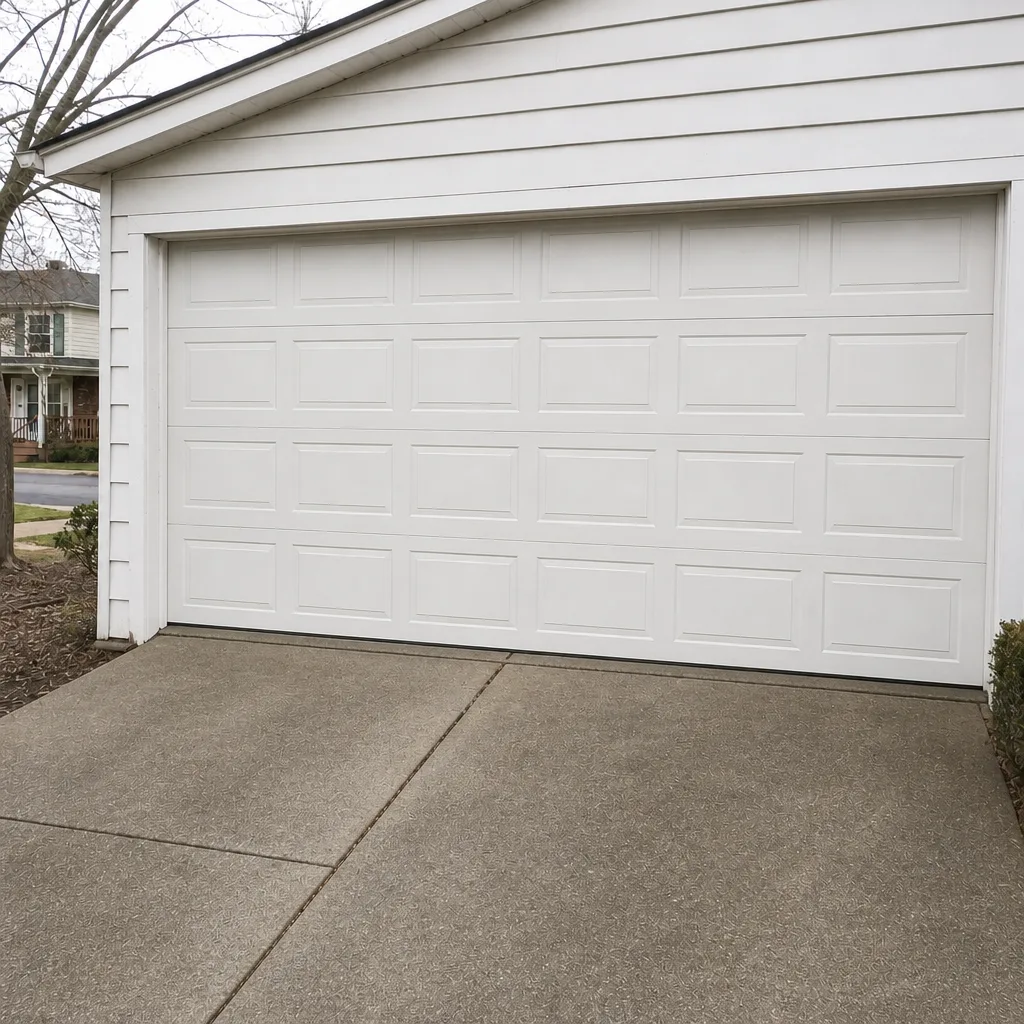 After
When to Call a Professional
Some garage door work is genuinely a homeowner task: clearing snow, checking seams, testing the auto-reverse, and listening for a strained opener. Other work is not, and it’s worth being honest about which is which. Call a technician for any spring or cable issue – especially a noisy spring, a visibly worn coil, or a door that feels heavy when you lift it manually. Call for a track or hinge that’s visibly bent or misaligned, a door that reverses for no reason, or an opener that’s been repaired before and is failing again. Call for anything related to the door’s electrical wiring, or when a door is stuck open or closed. And call if the bottom seal is visibly cracked or losing contact with the ground – that’s the single most common cause of water getting into a garage in Waldorf. Waldorf Garage Door Repair Pros offers free estimates in Waldorf and works on the door you already own. Our technicians have up to 11 years of experience. We answer 24/7. Call (844) 443-3856 for a free estimate, and we’ll book you into the next dispatch window, Sunday through Friday, 7am to 7pm. We’re closed on Saturday.
Frequently Asked Questions
The late-October pre-freeze prep: lubricate the moving parts, inspect the bottom seal, and have the springs checked by a technician. That one block of work covers most of the failures we see in January and February. The exact window is roughly October 15 to 31. Call garage door spring repair at (844) 443-3856 to schedule the spring check.
A seasonal tune-up is priced per job by a written estimate, and we give you the estimate before any work starts. The written quote is what you pay. The price depends on what your door actually needs – a lubrication and alignment check is different from a tune-up that includes a seal replacement or a spring adjustment. Call (844) 443-3856 for an exact quote; estimates are free.
Springs are rated by cycle count, not by calendar time, so there’s no fixed number of years that applies to every door. What matters in Waldorf is having them inspected in fall, because the cold season is when a spring that’s near the end of its life fails. If your door feels heavy to lift manually or you hear a loud bang from the garage, stop using the opener and call (844) 443-3856.
Yes. Condensation collects in the panel seams and around chips in the finish, and that trapped moisture is what rusts the panel from the inside. The damage is usually invisible from the outside until a panel starts to fail. A summer seam inspection with a flashlight catches it early. If you find rust, call (844) 443-3856 and we’ll look at garage door repair options.
Use the manual release cord from the opener trolley: pull firmly down and toward the door until it disengages, then lift the door by hand. Don’t force it if it’s heavy. When power returns, re-engage the trolley by pulling the cord and running the opener once. If the door won’t operate manually, call (844) 443-3856. We answer 24/7, and a call outside dispatch hours is booked into the next opening, Sunday through Friday, 7am to 7pm.
In Waldorf, yes – it’s worth a look. The freeze-thaw cycle shifts the door frame a fraction every year, and that’s enough to push the tracks slightly out of plumb or bump the sensor brackets. A quick visual check for a straight vertical track and even gap between door and track catches it early. If the track is visibly bowed or the door drags, call (844) 443-3856 for garage door opener repair and a track alignment check.
The Bottom Line
Garage door care in Waldorf is less about doing a lot and more about doing the right things at the right time. The two weeks before the first hard freeze do more to prevent winter failures than any other period. Spring is for checking what the thaw moved. Summer is for catching the rust you can’t see from the street. Storm season is for getting ready before the storm, not during. And the one-task-per-month schedule is what makes all of that realistic for a homeowner with a job and a family. Skip the pile-on weekend. Do one small thing each month, and get the fall prep done on time.
When something does need a technician – a spring, a cable, a stuck door, an opener that won’t cooperate – we work on the door you already own, including LiftMaster, Chamberlain, Genie, Clopay, Amarr, Wayne Dalton, Craftsman, and Raynor systems. We answer 24/7, with fast dispatch from 7am to 7pm, Sunday through Friday. Call (844) 443-3856 for a free estimate.
Written by the team at Waldorf Garage Door Repair Pros.