
Last updated November 21, 2026
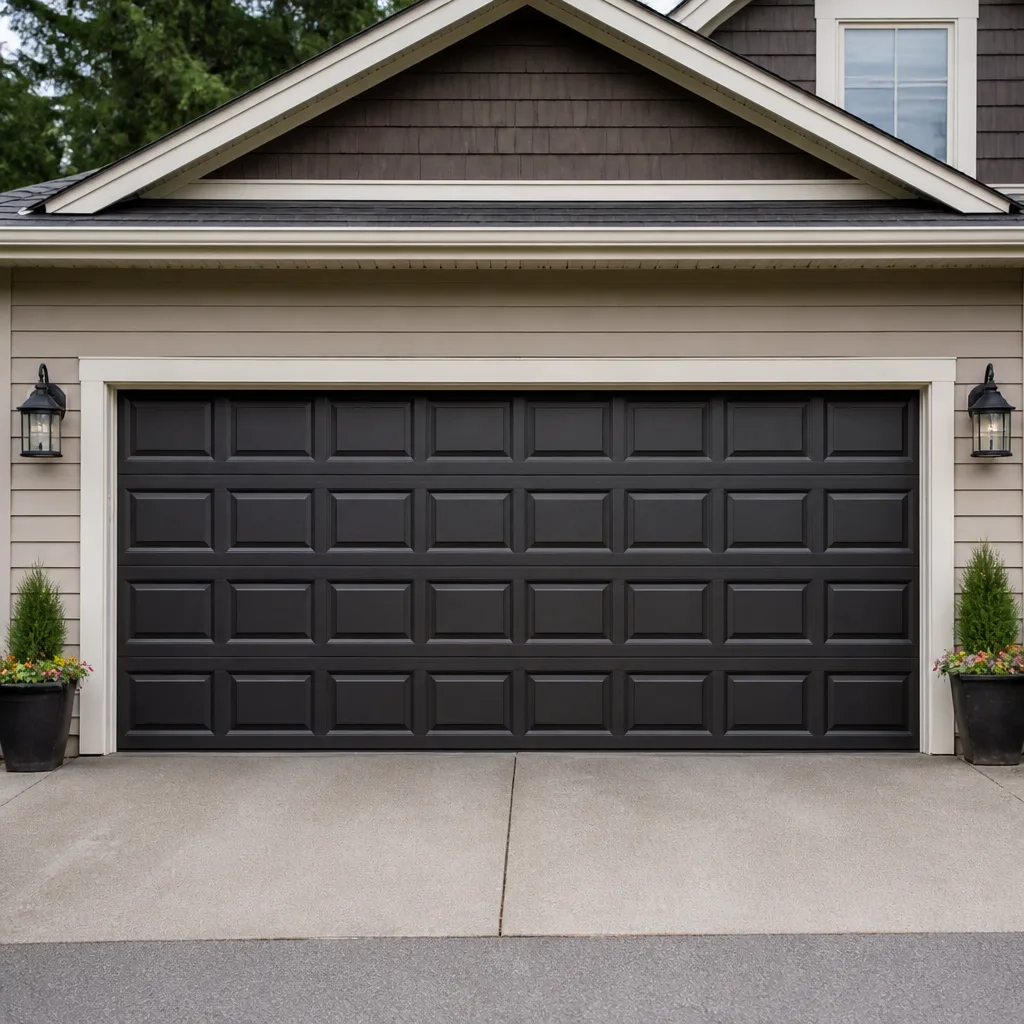 Raised-panel steel
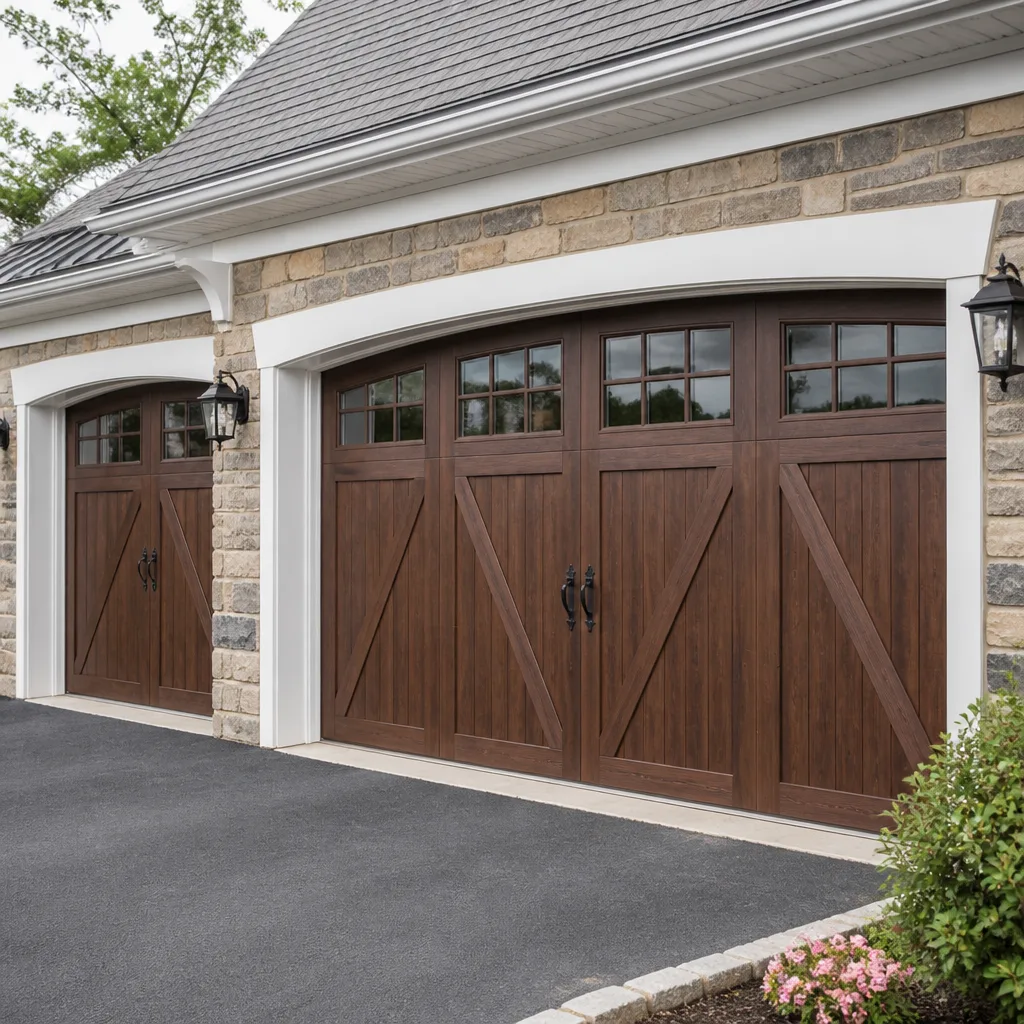 Carriage house
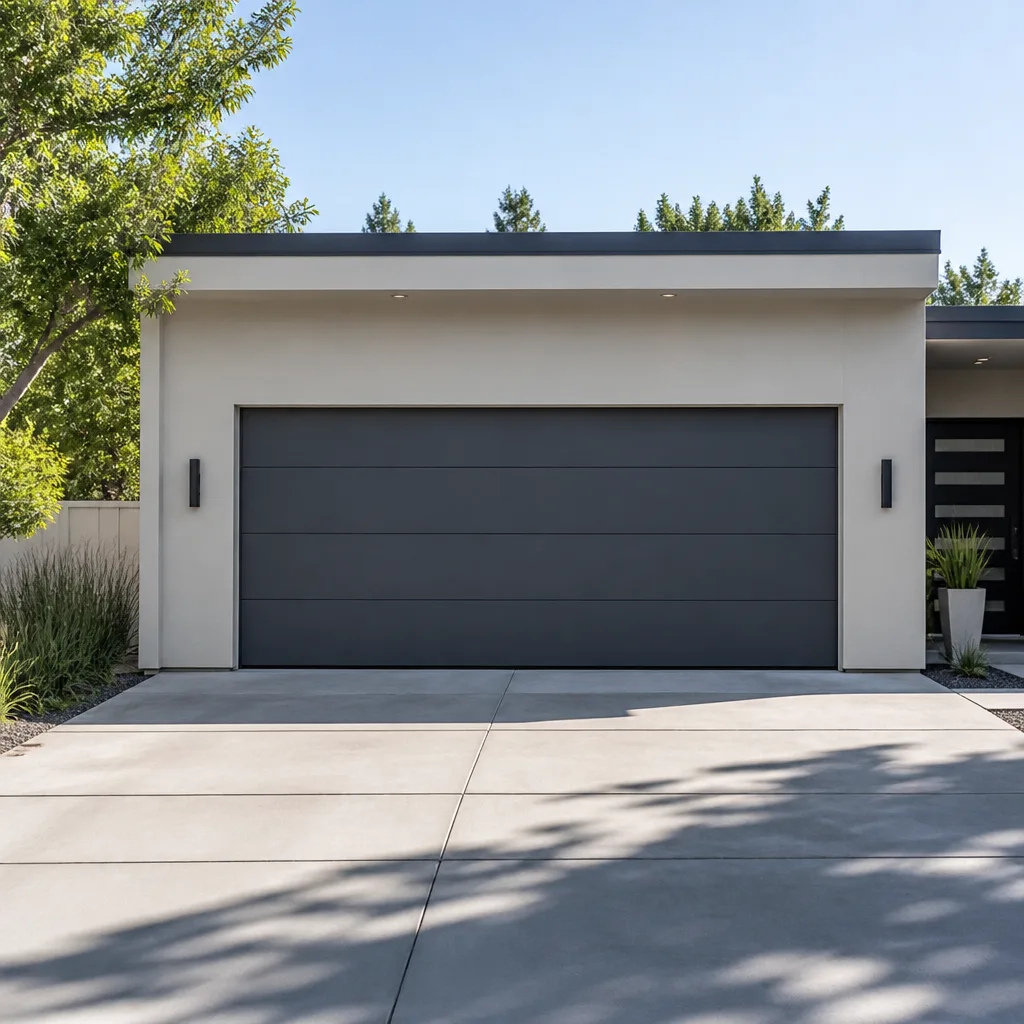 Modern flush
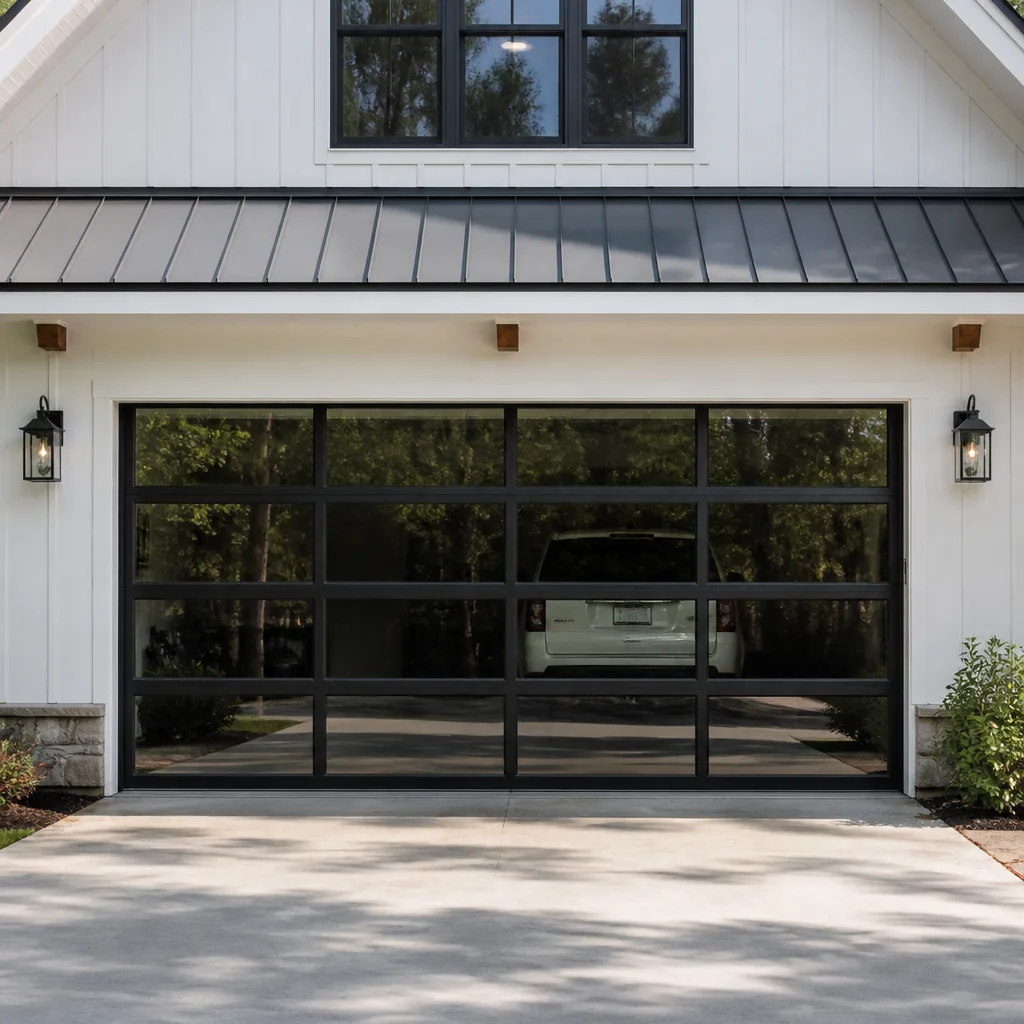 Full-view glass
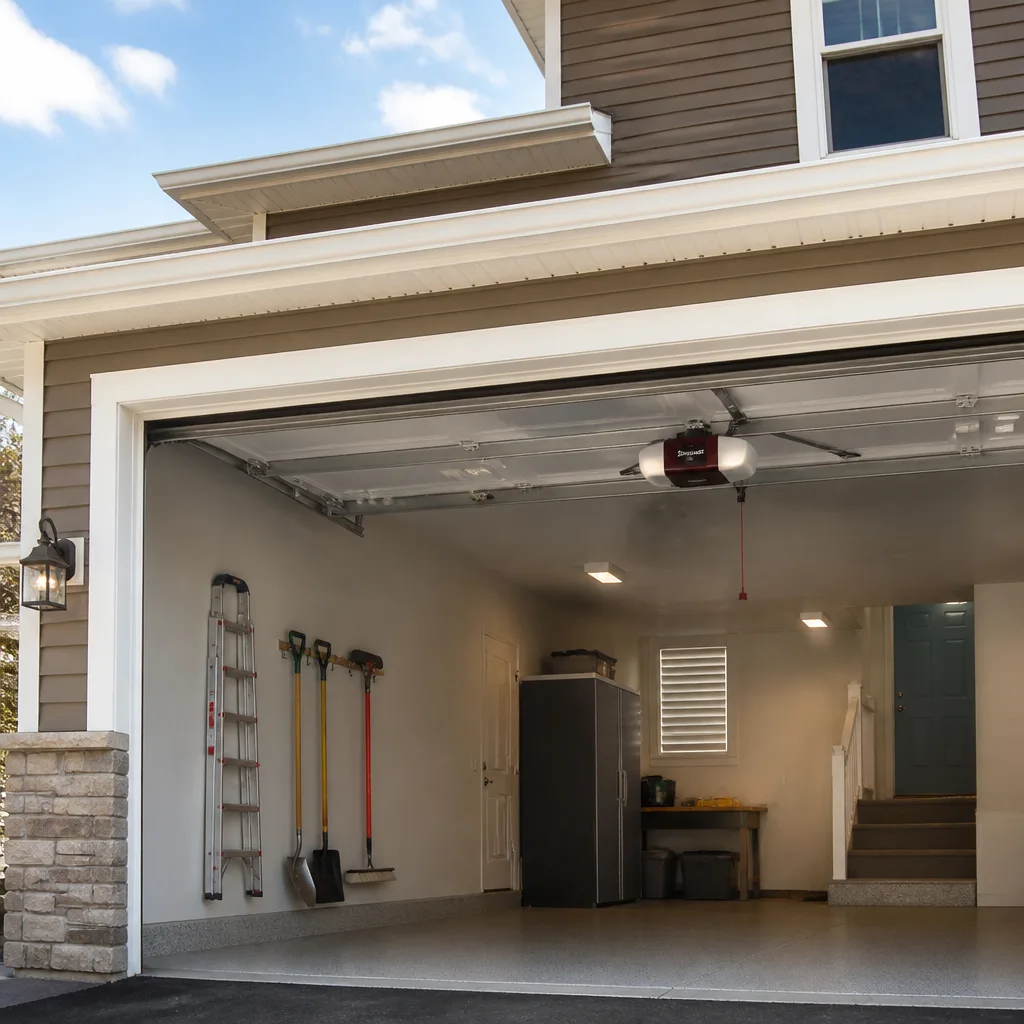 LiftMaster openers
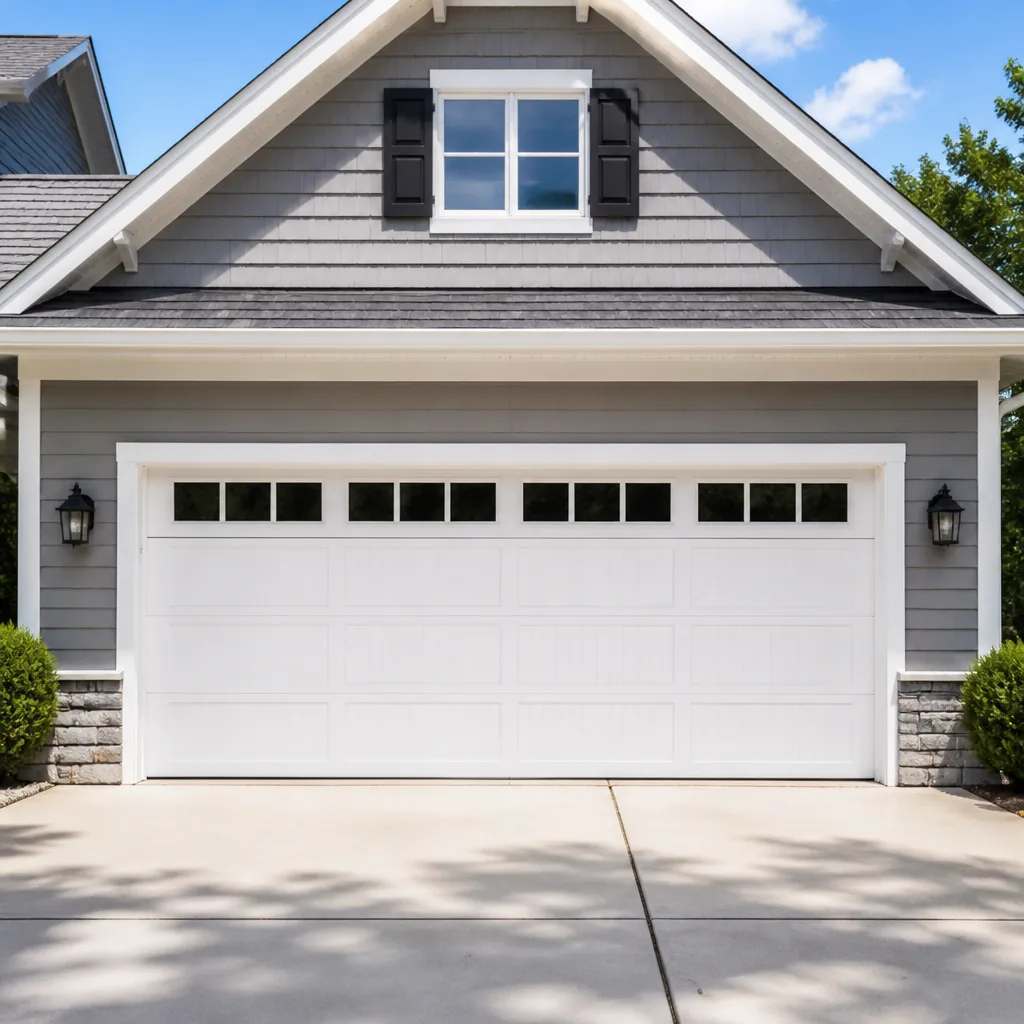 Chamberlain openers
Full 25-point door and opener safety check with every visit - springs, cables, rollers, tracks, and your LiftMaster or Chamberlain opener included
You get a price before we start. It does not change when the pro arrives.
Get your free estimateChoosing the Right Garage Door Brand: A Buyer’s Guide for Waldorf
The brand with the best-looking brochure and the brand whose parts a technician can actually get on a Sunday are frequently not the same brand. That gap matters more than most buyers realize when they’re standing in their driveway comparing samples. A garage door is a system, not a single object: panels, springs, tracks, hinges, and an opener all have to work together for years, through Maryland’s sticky summers and its cold snaps. This guide walks through what we’ve learned servicing equipment across Waldorf, and it’s built to help you choose a brand you can actually live with and repair. We’ll cover parts availability, climate performance, opener compatibility, warranty fine print, and the mid-tier versus premium question.
Quick Answer
For most Waldorf homeowners, the “best” garage door brand is the one a trained technician can still get parts for years from now. In practical terms, that means sticking with widely distributed names like Clopay, Amarr, Raynor, Chamberlain, and LiftMaster, and choosing a mid-tier model with a heavier steel gauge and good weatherstripping over a premium model with cosmetic upgrades you’ll never notice. Match your opener brand to your door brand where compatibility rules make that sensible, and read the warranty on springs and finish specifically, not the headline.
Styles & brands we work with
- Raised-panel steel
- Carriage house
- Modern flush
- Full-view glass
- LiftMaster openers
- Chamberlain openers
Table of Contents
- Parts Availability in the Waldorf and Charles County Market
- How Each Style Holds Up to Maryland’s Humidity and Temperature Swings
- Opener Brand Ecosystem Lock-In: The Compatibility Constraints
- Warranty Reality Check: What’s Actually Covered
- Mid-Tier vs. Premium: Where the Price Gap Is Real
- Steel Gauge, Insulation, and Finish: The Numbers That Matter
- Residential vs. Commercial-Grade Brands
- A Step-by-Step Way to Choose
Parts Availability in the Waldorf and Charles County Market
The most important thing about a garage door brand is not what it looks like when new. It’s whether you can still get a matching panel, a hinge, or a spring when something breaks. In our experience servicing Waldorf, brand names split cleanly into two groups on parts availability: brands with distributor stock a short drive from Charles County, and brands where a single common part can mean ordering and waiting.
Well-distributed brands like Clopay, Amarr, and Raynor generally have panels, sections, and common hardware stocked through regional dealers. Brands like Chamberlain and LiftMaster are mostly opener names, and their parts flow through the same dealer network. What you don’t want is a door or opener brand that has thin distribution in this region, because a broken torsion spring or a bent track can turn into a multi-day wait on a shipment.
Here’s what we tell homeowners in Waldorf to check before they buy:
- Panel availability. A door with easily sourced panels can be repaired after a dent or a car-bumper impact rather than replaced whole.
- Spring sizes. Standard spring sizes are easy to replace. A proprietary spring setup is not.
- Opener brand near you. If your opener is a LiftMaster or Chamberlain, compatible replacement parts exist locally. If it’s an odd brand, plan for shipping.
- Hardware standardization. Hinges, rollers, and brackets on major brands are interchangeable with common sizes. No-name imports often are not.
That parts reality is why our preference is to work with brands we know will still have a component supply chain in Charles County in ten years. It’s also why our garage door repair work covers parts on eight common brands: LiftMaster, Chamberlain, Genie, Clopay, Amarr, Wayne Dalton, Craftsman, and Raynor.
How Each Style Holds Up to Maryland’s Humidity and Temperature Swings
Waldorf sits in a mid-Atlantic climate that flips between humid summers and freezing winters, and that cycling is hard on a garage door. The door expands in the sun, contracts at night, and gets hit by moisture that works into every joint. The brands that handle this best are the ones that pay attention to steel gauge, finish, and weatherstripping quality, not the ones with the flashiest options.
Here’s how the main styles behave across that range:
- Steel doors (Clopay, Amarr, Raynor). A heavier gauge steel resists denting and holds its shape through thermal cycling. The finish is the deciding factor: a factory-applied, multi-layer finish on a heavy gauge model lasts noticeably longer than a thin coat on a light one. In humid Waldorf summers, poor finish means rust at the bottom edges first.
- Insulated steel models. Insulation adds rigidity as well as thermal protection, which suits homes with an attached garage that’s used as living or storage space. The better the insulation, the less the door panel flexes as temperatures climb and drop.
- Wood and wood-composite doors. Attractive, but humidity drives the maintenance schedule. They need painting or sealing more often here than a steel door needs attention, so budget for that.
- Weatherstripping quality. This is the most overlooked climate component. A poor bottom seal lets in water that freezes along the threshold and rusts the panel bottom. The best brands ship with quality seals; cheap brands often don’t.
What we see in Waldorf is that a mid-priced steel door with a good finish and quality weatherstripping outperforms a premium cosmetic model that skimps on steel gauge. The climate doesn’t care what the brochure says.
Opener Brand Ecosystem Lock-In: The Compatibility Constraints
Here’s a decision most buyers don’t think about until their first breakdown: your door brand and your opener brand are not independent choices. They talk to each other, and the wrong combination can lock you into a service headache. The common friction points are opener compatibility, spring balance matching, and safety-reverse sensors.
The practical constraints you should know:
- Opener brand drives future service. If you install a LiftMaster or Chamberlain opener, you get a large network of compatible parts locally and easy smart-home integration. That’s a fair reason to buy a Chamberlain or LiftMaster even if your door is a different brand.
- Door weight vs. opener rating. Insulated doors are heavier, and an undersized opener will overwork and fail. Match opener horsepower to door weight, not what was on clearance.
- Smart-home integration. LiftMaster, Chamberlain, Genie, and Craftsman offer Wi-Fi and smart-home-compatible systems. If you want to open the door from your phone, plan the ecosystem before you install the door.
- Reverse-sensor alignment. After a door or opener change, the sensors must be realigned. A door brand that changes track geometry can shift them.
When you’re working through that compatibility puzzle, our garage door opener repair service can tell you whether your door brand will play well with the opener you want. It’s easier to solve that on paper than after the fact.
Warranty Reality Check: What’s Actually Covered
Manufacturer warranties on garage doors differ more in the details than in the headline. A “lifetime” claim on the door usually applies to the frame, not the springs, panels, or finish, and those are exactly the parts that wear out. Reading the warranty line by line tells you what you’re really buying with a premium brand.
What tends to be covered, and what tends to be declined:
- Springs. Springs are a wear item. Most manufacturer warranties treat spring life in terms of cycles, and a spring that fails inside the stated cycle count is often covered while one that fails after is not. If a fault isn’t from correct use, warranty claims on springs are routinely declined.
- Panels. Panel warranty usually covers structural failure from manufacturing defects, not dents, impact damage, or rust that starts with neglected finish. A car-bumper ding is not a warranty claim.
- Finish. Finish warranties often include exclusions for improper cleaning, exposure to harsh cleaners, and poor maintenance. In a humid climate, a warranty admin can argue that neglect caused the rust.
- Labor. Manufacturer warranties almost never cover labor. That’s the part homeowners don’t expect. It means a “covered” spring replacement still has a labor cost to you.
The brand differences are real but subtle: some brands are more generous in interpreting what “manufacturer defect” means and some are quicker to decline. Ask for the warranty document in full before you sign, and read the spring and finish sections specifically. If a dealer can’t produce it, treat that as a warning.
Mid-Tier vs. Premium: Where the Price Gap Is Real
The premium question is the one we answer most in Waldorf. Is the extra money for a premium garage door brand buying durability, or just curb appeal? The honest answer is that it’s a mix, and where the gap is real is not where the brochure points.
Here’s where the price gap genuinely reflects durability:
- Steel gauge. A heavier steel gauge resists denting and holds shape. That difference lasts.
- Insulation. The amount and quality of insulation affects stability and thermal performance, especially for homes that use the garage as living space.
- Spring quality and cycle rating. Premium doors often ship with springs rated for more cycles. Over ten years, that’s a real return.
- Weatherstripping. A better bottom seal is a durability win in a humid climate.
- Finish system. A multi-layer factory finish lasts longer than a thin coat.
Where the gap is mostly cosmetic:
- Designer window inserts that don’t change durability.
- Custom color matching beyond the standard palette.
- Carriage-house panel details that cost more but perform the same.
- Upgraded decorative hardware.
Our rule of thumb: buy up on gauge, insulation, spring cycle rating, and finish; buy down on cosmetic add-ons. That’s the smarter way to spend the budget on a garage door brand in Waldorf.
Steel Gauge, Insulation, and Finish: The Numbers That Matter
When you’re comparing brands, the specifications that matter are steel gauge, insulation thickness and material, and finish layers. Those three determine how a door performs over a decade in the mid-Atlantic. Don’t judge a door by the thickness of the brochure.
Here’s how to read a spec sheet:
- Steel gauge. A lower gauge number means thicker steel. Compare gauge first when comparing brands at the same price.
- Insulation. More insulation means more rigidity and better thermal behavior. If the garage is conditioned, insulation matters more.
- Finish layers. A factory finish with multiple coats lasts longer than a single coat. Ask how it’s applied.
- Weatherstripping. Quality seals and bottom thresholds are worth the spec sheet line.
- Spring cycle rating. Higher cycle ratings save you a spring replacement sooner.
When you compare two brands on those four numbers, the picture usually becomes clear. Spec sheets are where marketing ends. Our garage door spring repair team can tell you which spring sizes and cycle ratings your door brand uses, which is one of the hidden costs homeowners ignore until a spring snaps.
Residential vs. Commercial-Grade Brands
A common mistake is buying a commercial-grade door for a residential setting, or the reverse. Commercial doors are built stiffer and heavier to handle higher cycle counts, but they’re not automatically the best choice for a home. Some homeowners see “commercial grade” and assume it means quality; it usually means the door is designed for a different duty cycle.
What to consider:
- Duty cycle. A commercial door may be rated for more open-close cycles per day. If you open yours a few times a day, a residential door is designed for that.
- Weight and opener matching. A heavier door needs a bigger opener. A commercial door on a residential opener is a mismatch that shortens opener life.
- Installation requirements. Commercial-grade doors may need different track and header conditions.
- Warranty terms. Some brand warranties are written for residential use and respond poorly to commercial applications.
For a home in Waldorf, the right answer is usually clearly a residential-grade door from a brand with local parts distribution. Commercial grade makes sense for outbuildings or high-traffic home workshops, and even then it should be sized correctly. Whatever the door brand, our garage door repair team can tell you what will actually last in your setup.
A Step-by-Step Way to Choose
If you want a repeatable decision process, here it is. It’s the same one we walk homeowners through when they’re comparing brands, and it avoids most of the mistakes people make.
- Set the budget and the purpose. Decide whether the garage is conditioned living space or just storage. That changes how much insulation matters.
- Decide the door brand shortlist. Start with Clopay, Amarr, Raynor, and Chamberlain-family names, because they have local parts distribution through Charles County.
- Check parts availability. Ask a local supplier whether panels and springs are stocked or ordered.
- Compare specs. Steel gauge, insulation, finish layers, weatherstripping quality, and spring cycle rating. Compare at equal price.
- Plan the opener ecosystem. Choose LiftMaster, Chamberlain, Genie, or Craftsman if you want smart-home support and local part supply.
- Read the warranty. Springs, panels, and finish, specifically. In writing.
- Get the estimate in writing. Before you commit. The written estimate sets the price; there are no surprise fees.
Follow those seven steps and you’ll have a decision you can live with for ten years. Get one wrong, and you’re more likely to be calling a repair company sooner than you’d like.
Common Mistakes to Avoid
- Choosing on visual appeal alone. A door that looks great but has thin steel and poor weatherstripping will struggle in Waldorf’s humid summers and cold winters. Specs before looks.
- Ignoring parts availability. A brand with no local stock means waiting on shipping when something breaks. Check distribution before you buy.
- Mismatching the opener. A heavy door on an undersized opener is a common cause of early failure. Size the opener to the door weight.
- Reading only the warranty headline. “Lifetime” on the frame doesn’t cover springs, panels, or finish. Read the specific sections.
- Buying premium for cosmetic reasons. Window inserts and custom colors don’t extend life. Put the money into gauge, insulation, and springs.
- Assuming commercial grade is better. It’s built for a different duty cycle, and it may not match your home’s opener.
- Buying an off-brand to save a little. A brand with no local distribution may cost more in the long run for the first repair.
See the difference
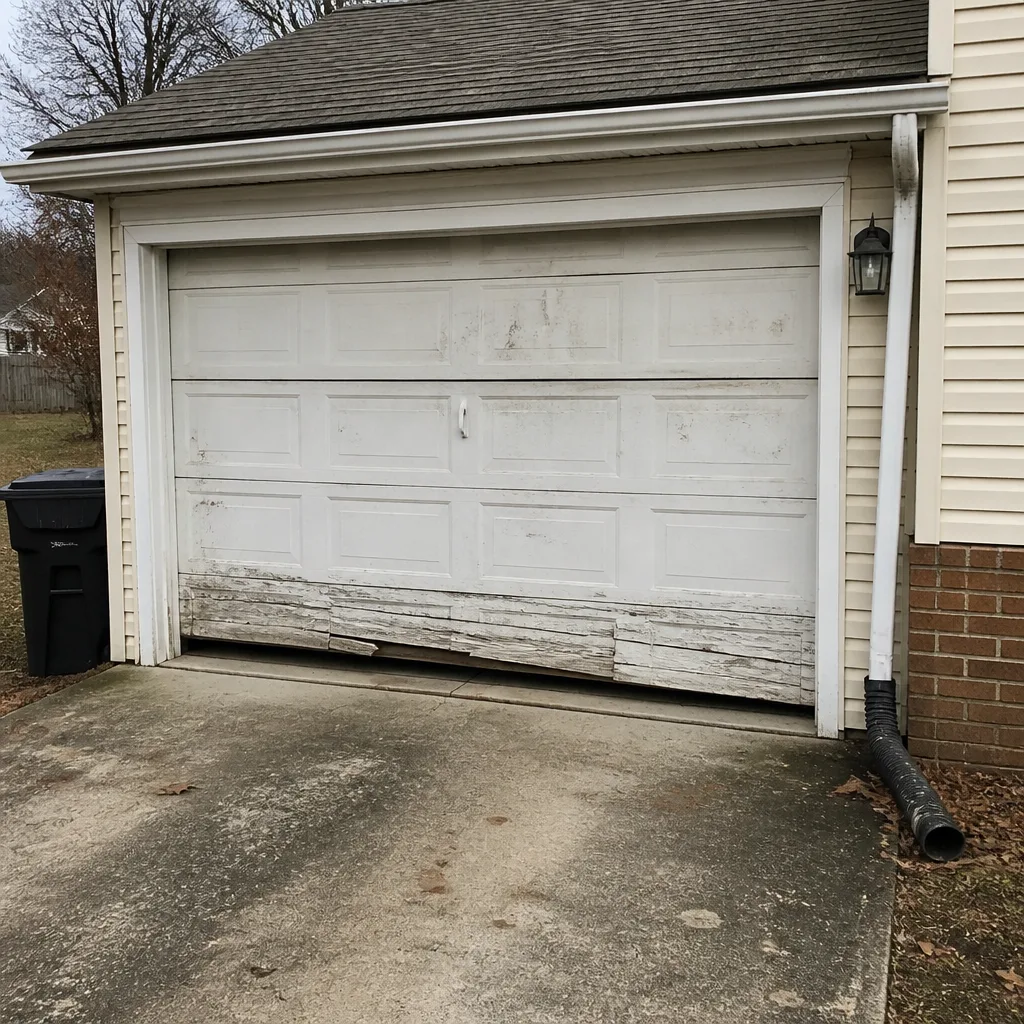 Before
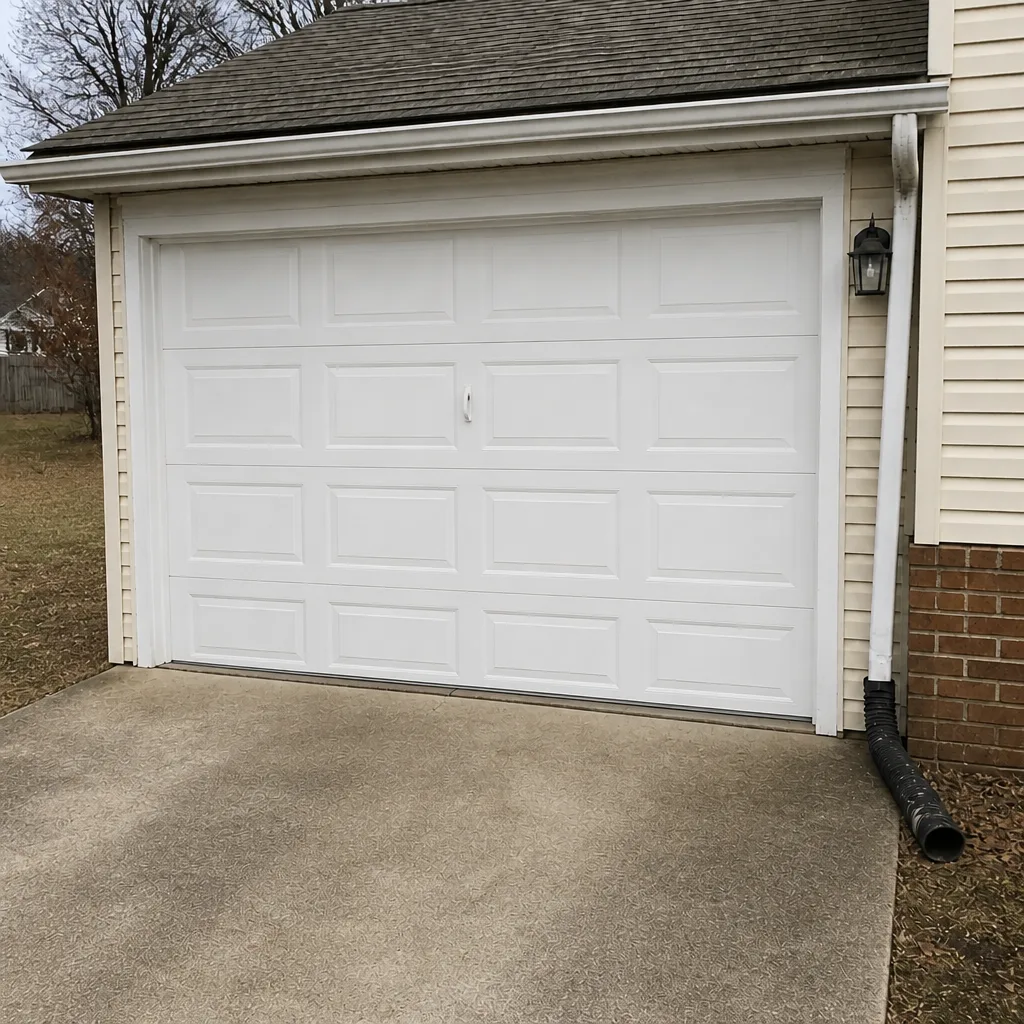 After
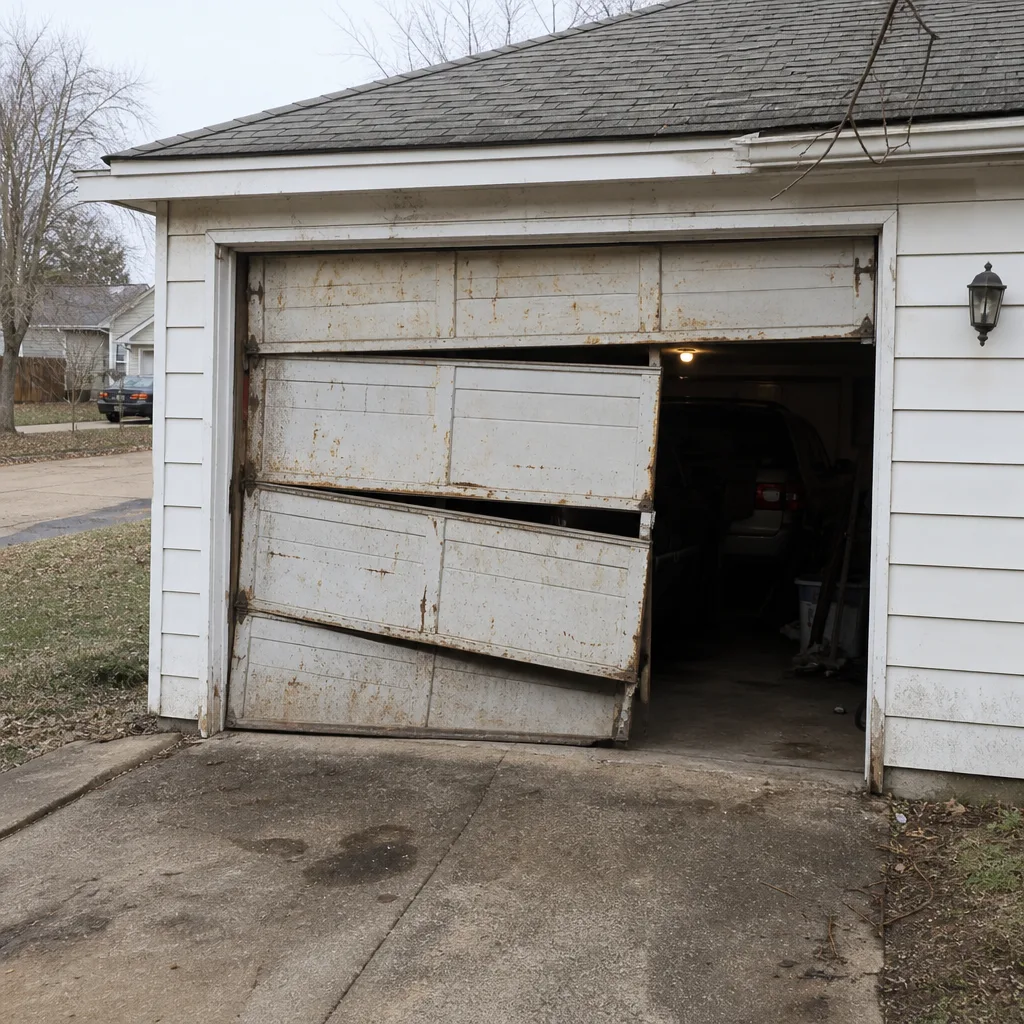 Before
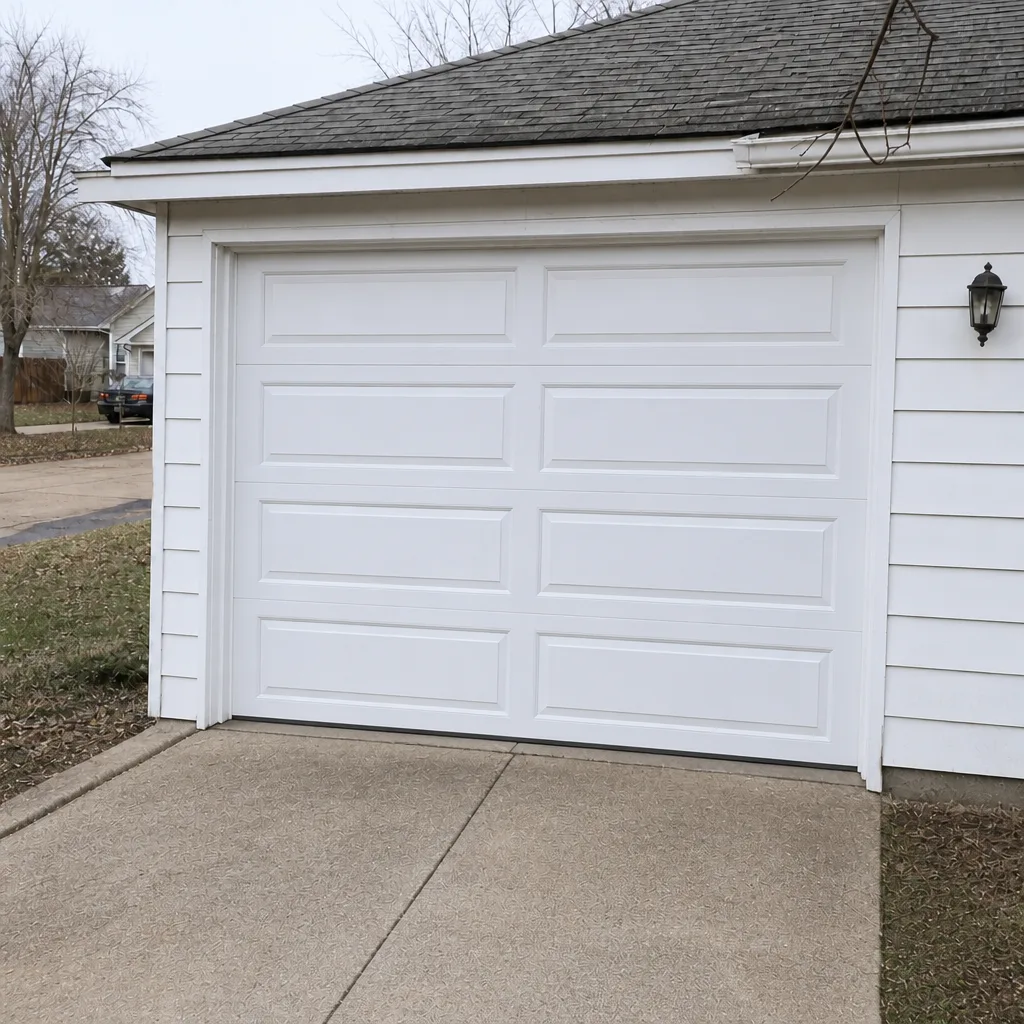 After
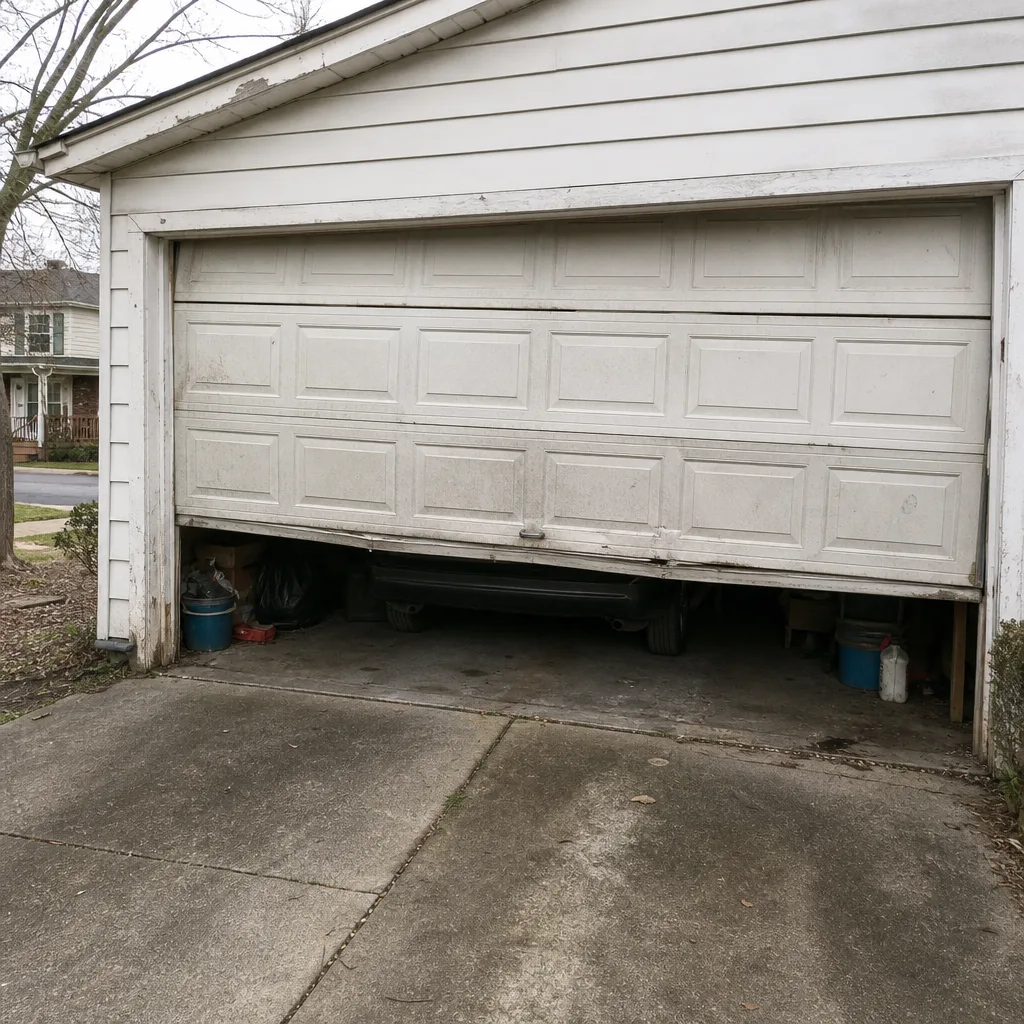 Before
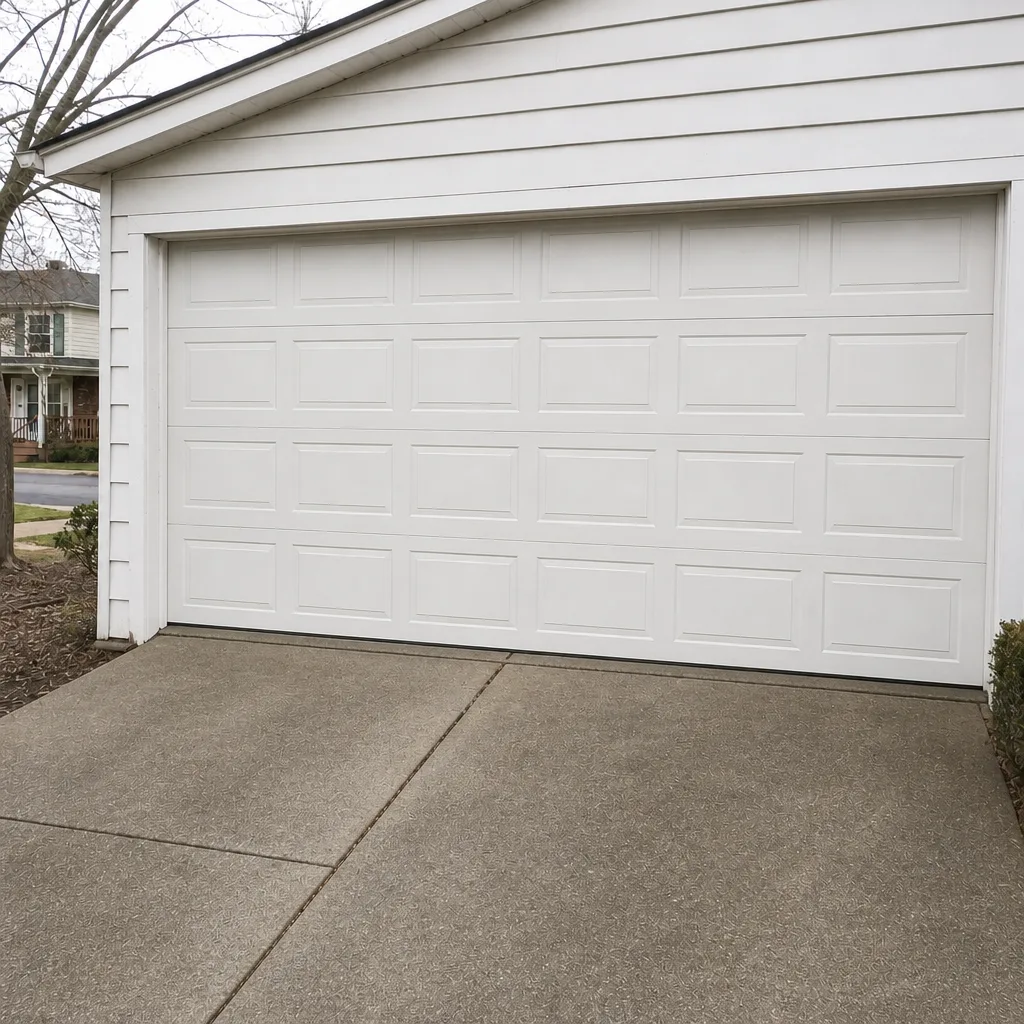 After
When to Call a Professional
Some brand decisions are easy to research on your own. Some need eyes on the actual door. Call us when you’re comparing two brands and can’t tell which has the better spring cycle rating, when your opener brand and door brand don’t seem compatible, when a dented panel leaves you wondering whether the brand can still supply a matching piece, or when a torsion spring has broken and you need safe, expert handling. Springs, cables, and the high-tension parts of the door are genuinely dangerous to handle, so leave those to a trained technician with the right tools. Waldorf Garage Door Repair Pros offers free estimates in Waldorf, and our technicians have up to 11 years of experience across the eight brands we service. Call (844) 443-3856. We answer 24/7. Fast dispatch from 7am to 7pm, Sunday through Friday.
Frequently Asked Questions
For most Waldorf homes, a mid-tier Clopay, Amarr, or Raynor steel door with a heavier steel gauge and quality weatherstripping is the best practical choice. These brands have local parts distribution through Charles County, so a repair doesn’t mean waiting on a shipment. If you want a premium finish, buy up on gauge and insulation rather than cosmetic options. Call (844) 443-3856 for a free estimate.
Yes, but not because one brand is inherently expensive; it’s about parts availability. A brand with local distributor stock means a spring or panel replacement can usually be scheduled quickly, while a thinly distributed brand can mean ordering. Spring repair prices are quoted per job, not per brand, and the written estimate sets the final price before work starts. Call (844) 443-3856 for an exact quote.
The local professionals we connect you with are licensed and insured as their state requires, and we work on equipment from eight major brands. Our technicians have up to 11 years of experience with springs, openers, panels, and full installations. Call (844) 443-3856 for a free estimate.
LiftMaster, Chamberlain, Genie, and Craftsman are the most compatible with steel doors in Waldorf because they have broad local part supply and smart-home support. Match opener horsepower to door weight, especially on an insulated door, and confirm the sensors align after installation. Our garage door opener repair team can check compatibility before you buy. Call (844) 443-3856 for a free estimate.
Usually only if the spring failed inside its stated cycle count. Springs are a wear item, and manufacturer warranties often decline claims for springs that fail after the rated cycles. Read your warranty’s spring section, and know that labor is frequently not covered even when the part is. Call (844) 443-3856 and we can walk you through what your warranty covers.
Look for a brand label inside the door panel or on the opener housing. If it isn’t visible, bring a photo of the door and the opener to a local supplier, and they can usually identify the brand from the panel profile. We service LiftMaster, Chamberlain, Genie, Clopay, Amarr, Wayne Dalton, Craftsman, and Raynor, so we can help with the identification. Call (844) 443-3856 for a free estimate.
The Bottom Line
The best garage door brand is the one a trained technician can still service in ten years. In Waldorf, that means a mid-tier steel door from a brand with local parts distribution, sized correctly for its opener, with a warranty you’ve actually read. Buy up on steel gauge, insulation, spring cycle rating, and weatherstripping; buy down on cosmetic extras. Match your opener ecosystem to your door brand, and check parts availability before you sign. None of it is glamorous, but it’s what keeps a garage door working through Maryland’s seasons.
Waldorf Garage Door Repair Pros works on whatever system you already own across eight brands, from opener glitches to full installations, and we’ve been connecting Waldorf homeowners with the right local professionals for exactly this kind of decision. For a free estimate on any brand, call (844) 443-3856. We answer 24/7, with fast dispatch from 7am to 7pm, Sunday through Friday. Your garage door is your largest moving part, and it’s worth treating it that way.
Written by the team at Waldorf Garage Door Repair Pros.