
Last updated November 21, 2026
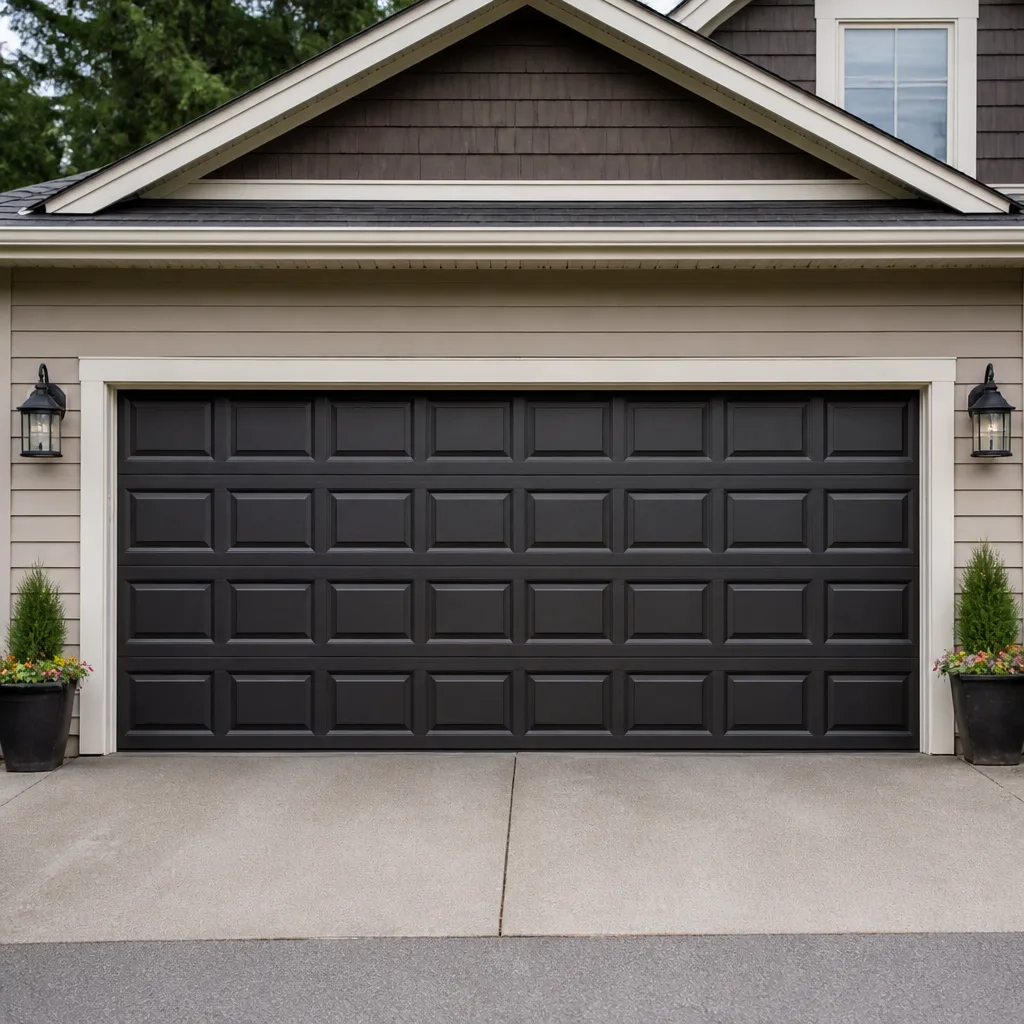 Raised-panel steel
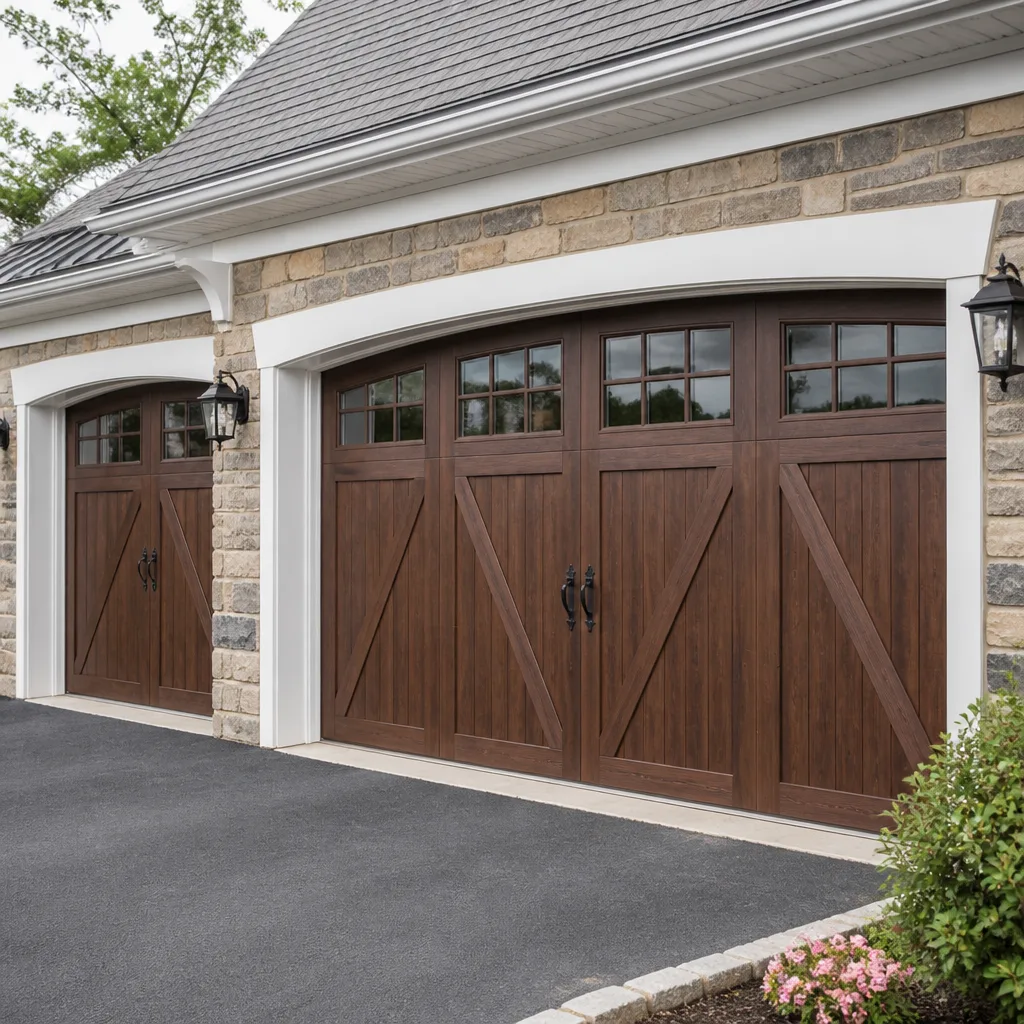 Carriage house
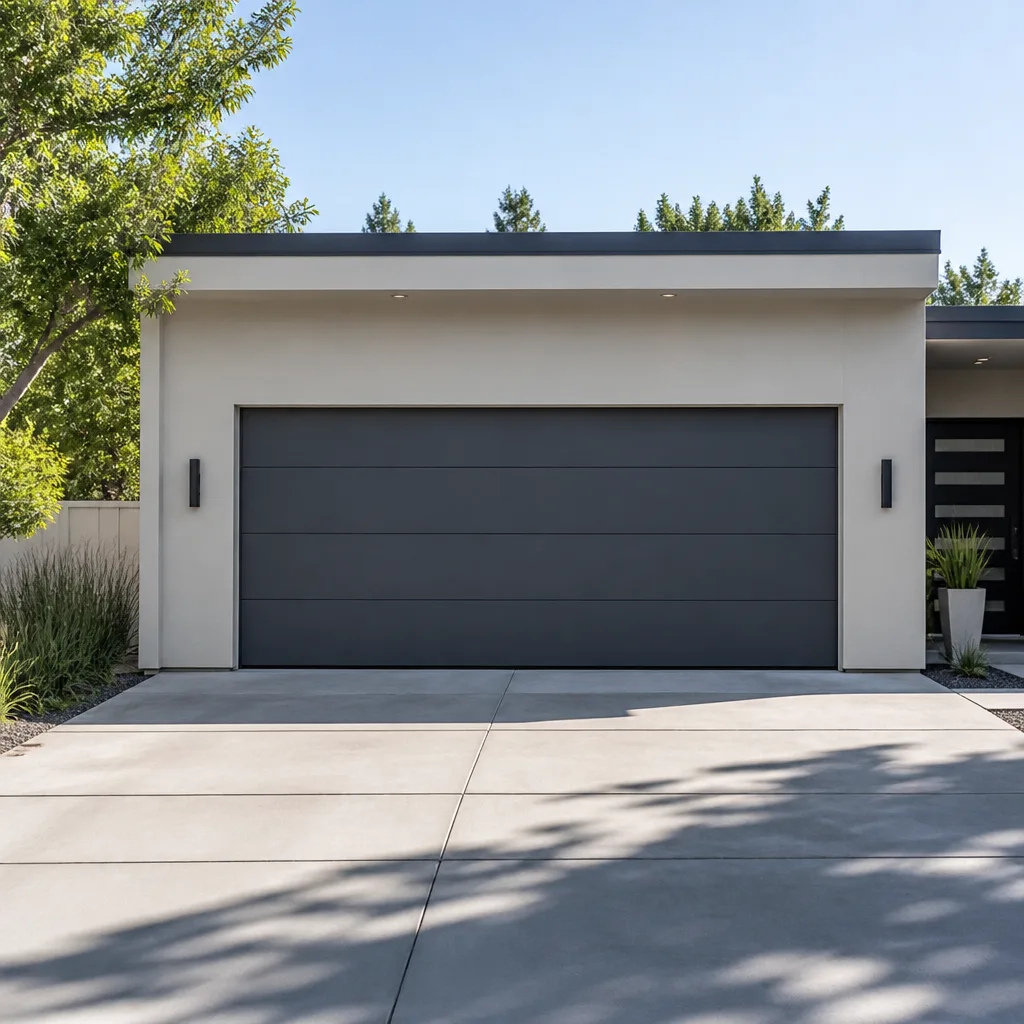 Modern flush
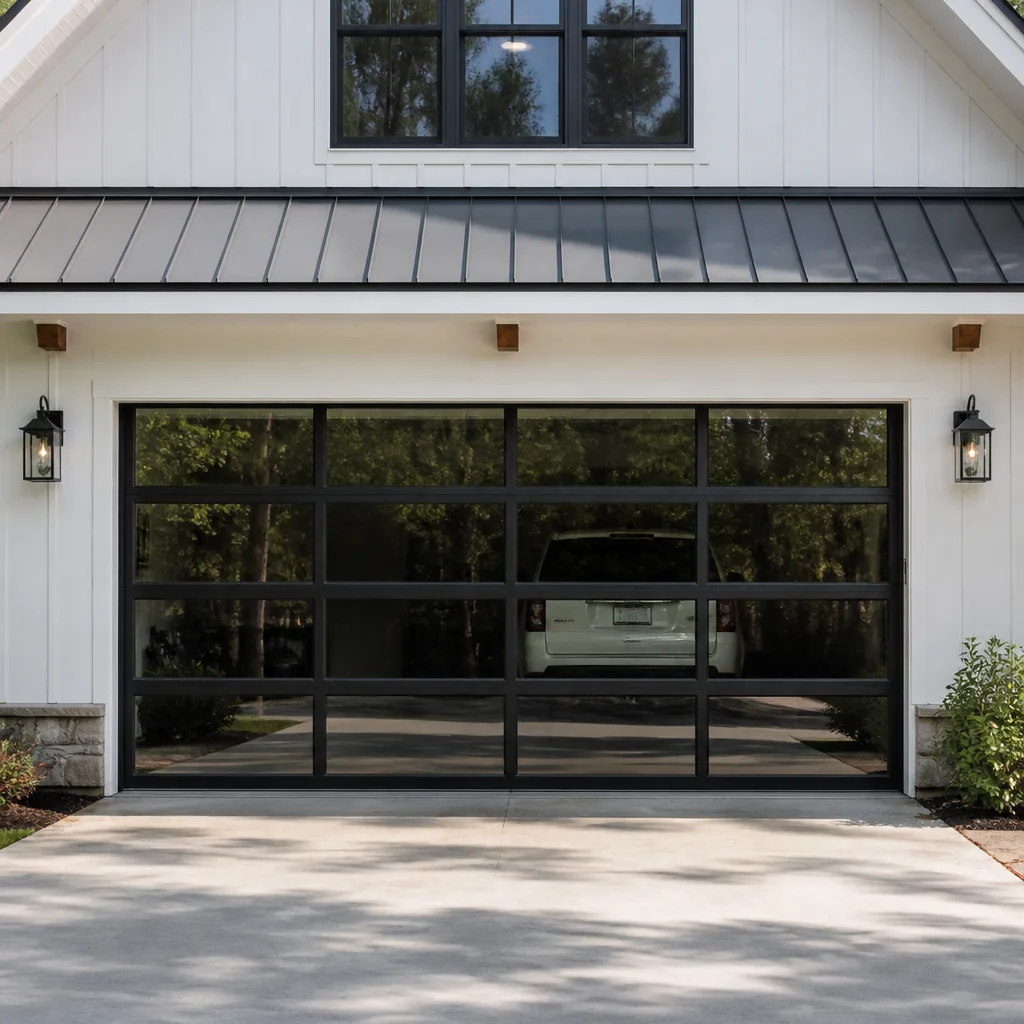 Full-view glass
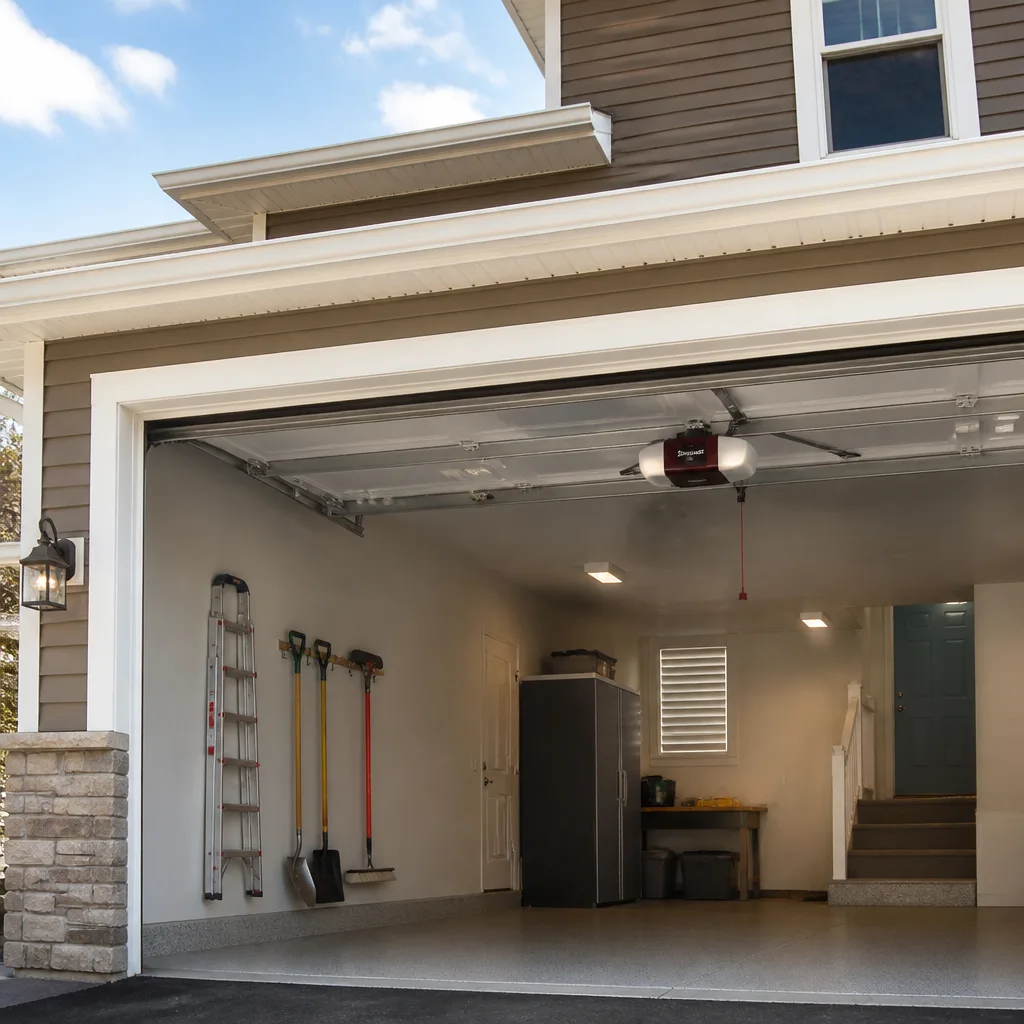 LiftMaster openers
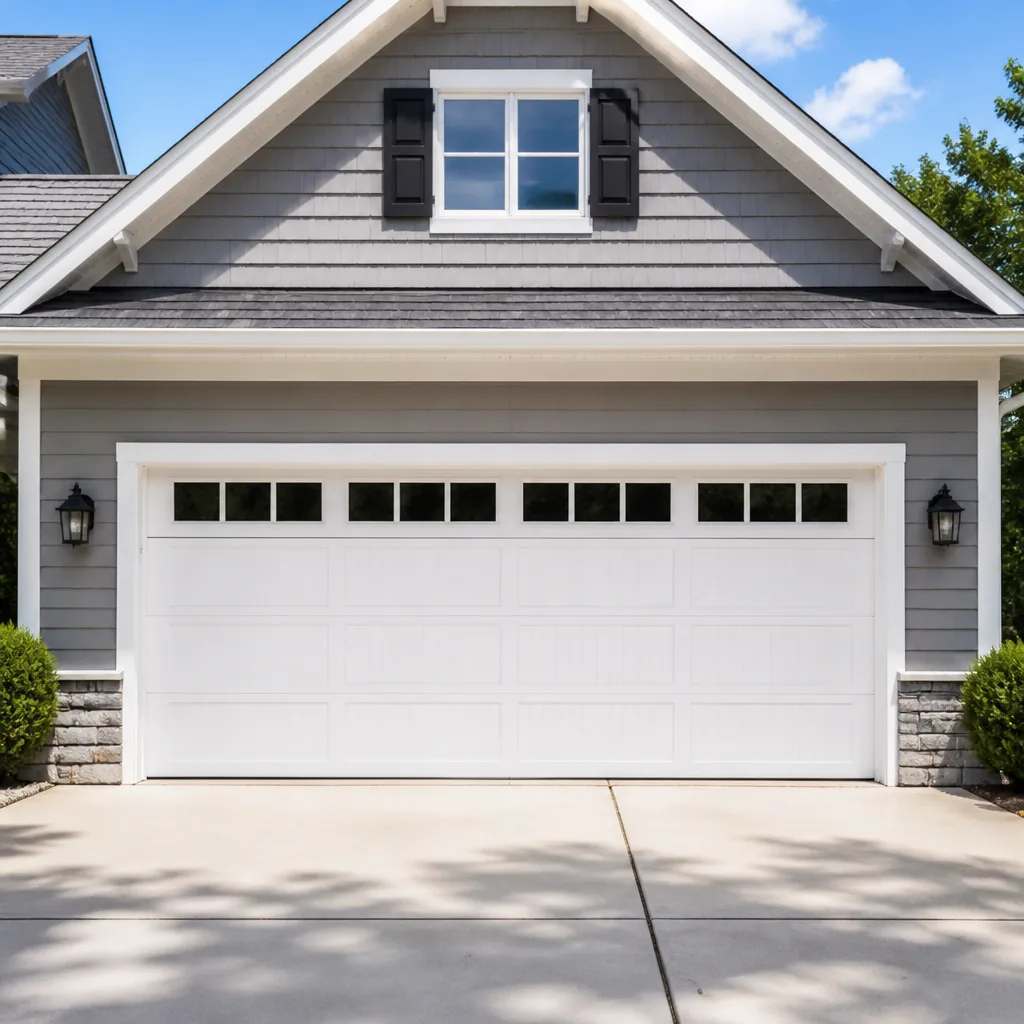 Chamberlain openers
Full 25-point door and opener safety check with every visit - springs, cables, rollers, tracks, and your LiftMaster or Chamberlain opener included
You get a price before we start. It does not change when the pro arrives.
Get your free estimateGarage Door Repair Maintenance Checklist for Waldorf Homeowners
The most common reason a garage door fails on a cold January morning in Waldorf isn’t the cold itself. It’s the lubricant someone sprayed on the rollers and hinges back in October. That light spray turned to paste when temperatures dropped below 20°F, and now the door groans, drags, and sometimes stops halfway. A maintenance checklist built for Phoenix or Miami doesn’t account for Maryland’s swing between humid summers and freeze-thaw winters. This one does. What follows is a practical, season-by-season checklist tuned to what actually breaks in Charles County, with realistic time estimates so the work gets done instead of just pinned to the fridge.
Quick Answer
Check your garage door once a month (five minutes), service the moving parts every quarter (about 30 minutes), and book a professional tune-up once a year. The three things that matter most in Waldorf’s climate are the right lubricant for the season, spring cycle-life tracking, and sensor alignment that drifts as the ground moves through freeze-thaw cycles. Most failures start as small, visible warnings weeks before the door actually stops.
Styles & brands we work with
- Raised-panel steel
- Carriage house
- Modern flush
- Full-view glass
- LiftMaster openers
- Chamberlain openers
Table of Contents
- The 7-Point Visual Inspection Sequence
- Climate-Specific Lubrication for Maryland Humidity
- Torsion Spring Cycle-Life Math
- Sensor Alignment Drift and Expansive Soil
- The Monthly, Quarterly, and Annual Breakdown
- Opener and Safety Reverse Testing
- Hardware, Tracks, and Panel Wear
- Common Mistakes to Avoid
The 7-Point Visual Inspection Sequence
Run this sequence once a month, standing inside the garage with the door closed and the opener disconnected if you can safely do so. It takes under five minutes and catches the great majority of impending failures before they leave a car stranded. We’ve walked Waldorf homeowners through this over the phone, and the pattern holds: failures rarely appear without warning.
- Look at the springs. Above the door, note light rust, gaps in the coil, or a stretched section at either end. A torsion spring with a visible gap has usually failed.
- Check the cables. Run your eye along each side cable where it winds on the drum. Fraying, kinks, or slack mean stop and call.
- Inspect the rollers. Wobble in the roller stems, flat spots on steel rollers, or cracked nylon wheels all signal replacement soon.
- Trace the hinges. Look for cracks at the bend and loose bolts. Bottom-bracket hinges take the most stress.
- Eyeball the tracks. Both tracks should look parallel and straight. Dents or a widened gap at a joint cause binding.
- Test the balance. With the opener released, lift the door to waist height and let go. It should hold roughly in place. If it drops or rises, the springs are out of balance.
- Check the sensors and the seal. Look at the two photo-eye lights (both should be solid, not blinking) and the bottom weather seal for tears or a gap at the floor.
Anything on that list that looks wrong is a “stop and call” moment, especially springs and cables. If you’re not comfortable on a ladder, skip the spring and cable checks and let a professional handle them. Our garage door repair team can do the full sequence as part of a diagnostic visit.
Climate-Specific Lubrication for Maryland Humidity
The right lubricant in Waldorf depends on the season, and this is where most checklists go wrong. A thin spray lubricant applied in spring can gum into paste when the temperature drops below 20°F, which loads the opener motor and makes the door stall. A heavy grease that’s perfect in January attracts grit and dust through July and August humidity, forming a paste of its own. Use a lubricant rated for your operating range, reapply it before winter sets in, and count it as the most important quarterly task.
Here’s what we recommend homeowners keep on hand and how to use it:
- White lithium grease or a synthetic spray: good for hinges, roller stems, and the torsion bar bearings. Apply a light coat, not a dripping one.
- Silicone spray: the better choice for the track itself, especially the vertical and curved sections, because it stays slick without collecting dust.
- Avoid WD-40 as a long-term lubricant. It’s a solvent first and a light lubricant second; it will wash away the grease that should stay and leave you re-lubing in a month.
- Never lubricate the track where the rollers ride with grease. The track should stay clean and dry; grease turns into an abrasive paste with the first bit of grit.
- Wipe off excess. A drip left behind attracts grit and, over a summer, does the opposite of what you intended.
Reapply the light coat to hinges and rollers in October, when summer humidity has burned off but the cold hasn’t arrived. That single habit prevents most cold-morning stalls. If the door is already loud or dragging, it’s probably a sign of a deeper issue worth a look from our team.
Torsion Spring Cycle-Life Math
Torsion springs fail on a cycle count, not a calendar. Each open-close is one cycle. A spring rated for 10,000 cycles on a door used twice a day lasts about 13 years; on a door used six times a day, it lasts about four and a half. Multiply your daily cycles by 365, divide the rated life by that number, and you have your remaining years. That math is rough, but it puts you ahead of the homeowner who opens the door one morning and hears a loud bang.
Here’s how a Waldorf homeowner can estimate cycle life:
- Count your typical daily cycles. A single-car household that parks and leaves once is about 2 cycles. A family with two drivers who come and go is often 6 to 8.
- Note the rated life stamped on the spring. Standard residential springs are usually rated between 10,000 and 15,000 cycles. Spring manufacturers stamp the rating.
- Do the division. Rated life ÷ (daily cycles × 365) = years remaining. If your door is more than ten years old and used often, you’re likely close to the limit.
- Watch for warning signs. Slower opening, thuds on the way up, a visible gap in the coil, or a door that suddenly feels heavier all point to a near end of life.
One caveat: torsion springs, and the cables under tension around them, are the most dangerous components on a garage door. A spring under load can cause serious injury if it slips. We don’t recommend a homeowner replace or even adjust a spring. If you suspect a worn spring, call for professional garage door spring repair and put it on the calendar before the door fails on a workday. A single spring and a matched pair carry different price ranges; we quote per job, and the written estimate is the number you pay.
Sensor Alignment Drift and Expansive Soil
The two photo-eye sensors near the floor should be aligned within a quarter inch of each other, and in much of Charles County they drift out of alignment two or three times a year. The reason is ground movement. Soils with a high clay content swell when wet and shrink when dry, and the garage slab shifts slightly with them. Each move is tiny, but over a season it tilts a sensor bracket just enough that the door goes down partway and reverses. If your door reverses unexpectedly or the sensor light blinks, this is almost always the cause.
What to do when the door reverses for no clear reason:
- Check both sensor lights. Both should be solid. One blinking is a misalignment or obstruction.
- Wipe the lenses. A dust film from a windy day or a cobweb will scatter the beam just enough to break it.
- Look for anything in the path. A lawn tool, a sled, or a fallen leaf in the beam is the cheapest fix on the list.
- Loosen, align, retighten gently. If you’re comfortable doing so, nudge the bracket until both lights are solid, but don’t over-tighten, which cracks the plastic over time.
- Consider the mounting. If alignment needs adjusting more than twice a year, the bracket is likely loose or the slab has shifted enough that remounting is the fix. That’s a job for a technician.
Sensor drift isn’t dangerous, but it’s the number one reason a garage door “stops working” in Waldorf when nothing is actually broken. If the sensors keep slipping after two or three alignments, ask us for a look. It’s a small fix and usually a quick one.
The Monthly, Quarterly, and Annual Breakdown
A good checklist only works if the timing fits a household’s routine. Here’s the split we recommend, with time estimates, so the whole thing actually gets done.
Monthly (5 minutes, the first weekend):
- Run the 7-point visual inspection.
- Press the wall button and listen for new sounds: grinding, squealing, or a thunk.
- Test the safety reverse (place a roll of paper towels in the door’s path and press close; the door should reverse on contact).
- Look at the sensor lights.
Quarterly (30 minutes, once a season):
- Lube hinges, roller stems, and torsion bearings with a light coat of white lithium or synthetic spray.
- Spray the track with silicone, not grease.
- Tighten hinge and bracket bolts by hand; don’t over-torque.
- Wipe down the photo-eye lenses.
- Check the weather seal at the bottom for a gap a flashlight can shine through.
Annually (60 minutes, in the fall):
- Full inspection and balance test.
- Reapply lubricant ahead of cold weather.
- Check spring cycle math against door age and use.
- Test the manual release so you know how it works if the power ever goes out.
- Book a professional tune-up if you’re not comfortable with the deeper checks. A trained eye catches what a homeowner may miss.
Our technicians have up to 11 years of experience and can run the annual tune-up for a range of brands, including LiftMaster, Chamberlain, Clopay, and Raynor. Call (844) 443-3856 to schedule. We answer 24/7, with fast dispatch from 7am to 7pm, Sunday through Friday.
Opener and Safety Reverse Testing
The opener is a motor with a brain, and it fails on the electrical side more often than the mechanical side. Test two things each quarter: the wall button and the photo-eye reverse feature. If either skips the reverse test, stop using the door until it’s fixed. That’s not an inconvenience; it’s a safety feature that needs to work.
The reverse test is simple. Place a two-by-four or a roll of paper towels flat in the door’s path directly under the middle of the door, press the wall button to close, and watch. The door should contact the object and reverse within a couple of inches. If it doesn’t reverse, adjust or call. LiftMaster, Chamberlain, Genie, and Craftsman openers all have slightly different adjustment dials or menus, and a quick model check saves time. If the door won’t reverse, the fix could be a sensor, a limit switch, or a wiring issue, and it needs professional attention.
Wi-Fi and smart-home openers also drop connection now and then. If the app stops working but the wall button is fine, the router and the opener’s Wi-Fi module are the place to start. Our garage door opener repair team handles all four of the brands above, plus others. If the opener is more than about 12 years old and repairable issues are stacking up, it may be worth pricing a replacement before it strands you mid-week. A free estimate at your home is the easiest way to compare repair against replacement.
Hardware, Tracks, and Panel Wear
Humidity and freeze-thaw stress every metal connection on a garage door. The bolts holding hinges loosen, tracks move fractionally at their joints, and panels pick up dents from a car or a stray basketball. None of these failures are dramatic, but each is easy to ignore until the door stops moving freely.
What to check, and when:
- Bolts on hinges and brackets: tighten by hand every quarter, not so tight that the metal deforms. Over-torquing splits the wood behind a bracket over time.
- Track joints: look for a lip where two track sections meet. A raised edge drags a roller and is worth a professional check.
- Panels: a dent in the middle is cosmetic, but a bent edge that pinches a hinge is structural. Our garage door repair service can assess a damaged panel and tell you whether repair or replacement makes more sense.
- Bottom seal: replace when it’s cracked or sitting unevenly on the floor. A poor seal lets in water and every bit of Maryland summer humidity.
- Struts and reinforcement: if your door suddenly needs more force to lift, check for a bent strut at the top of the door before assuming it’s the opener.
On a door that’s more than about 15 years old, hardware replacement is often the cheapest way to extend life by another several years. Panels and springs are the two parts we watch most closely. If the panels are sound but the springs are past their cycles, that’s a reasonable repair; if the frame itself has rusted through, a whole new door is the better call. For the bigger decision, understand what’s involved in a garage door installation and compare the numbers before you commit. Any new door is measured on site, ordered, and scheduled; it isn’t an emergency repair.
Common Mistakes to Avoid
Most of the failures we see in Waldorf were preventable, and the mistakes that lead there are surprisingly consistent.
- Using WD-40 as a long-term lubricant. It washes away the grease that needs to stay and attracts grit. Re-lube your door a month later and you’re back where you started, only messier.
- Greasing the tracks. Grease on the track collects grit and turns into an abrasive paste that wears the rollers faster. Use silicone spray on the track and save grease for the hinges and bearings.
- Ignoring a visible spring gap. A gap in the coil is a failed spring; continuing to run the opener on a broken spring accelerates wear on the motor and the door itself. Stop and call before you use the door again.
- Skipping the pre-winter re-lube. A fall reapplication is the single best defense against cold-morning stalls. Miss it and the October job was wasted by January.
- Over-tightening hinge bolts. The bolts should be snug, not cranked. Winter contraction plus over-tight bolts cracks the metal around a hinge in a season.
- Assuming a reversing door is broken. In Charles County it’s usually sensor drift from ground movement or a dirty lens. Check that first before you schedule a service call.
- Letting a minor misalignment go. A door that needs a little pressure to close this month may need the opener replaced next month. Fix alignment early, when the fix is small.
Every one of these mistakes is easy to correct once you know about it, and none of them require special tools. The habit that keeps a door running smooth through a Maryland year is consistency, not gear.
See the difference
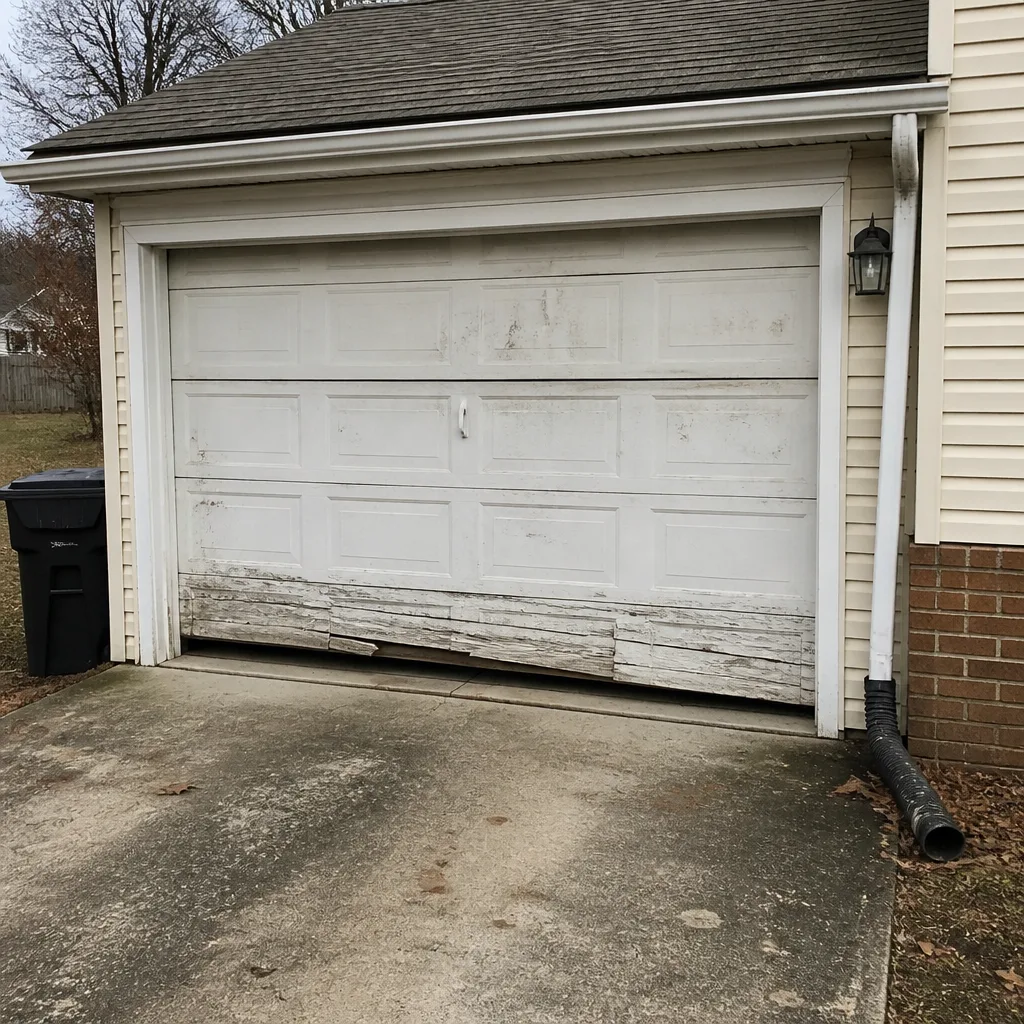 Before
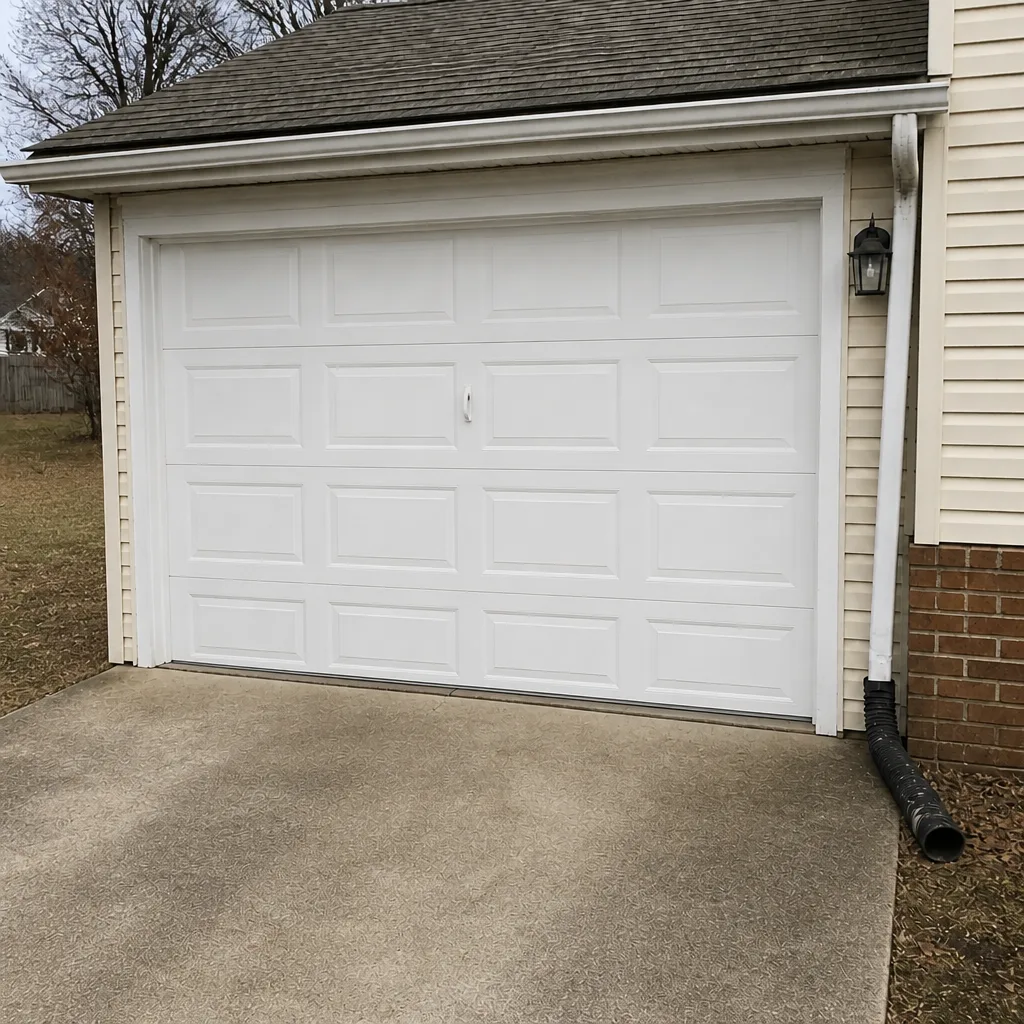 After
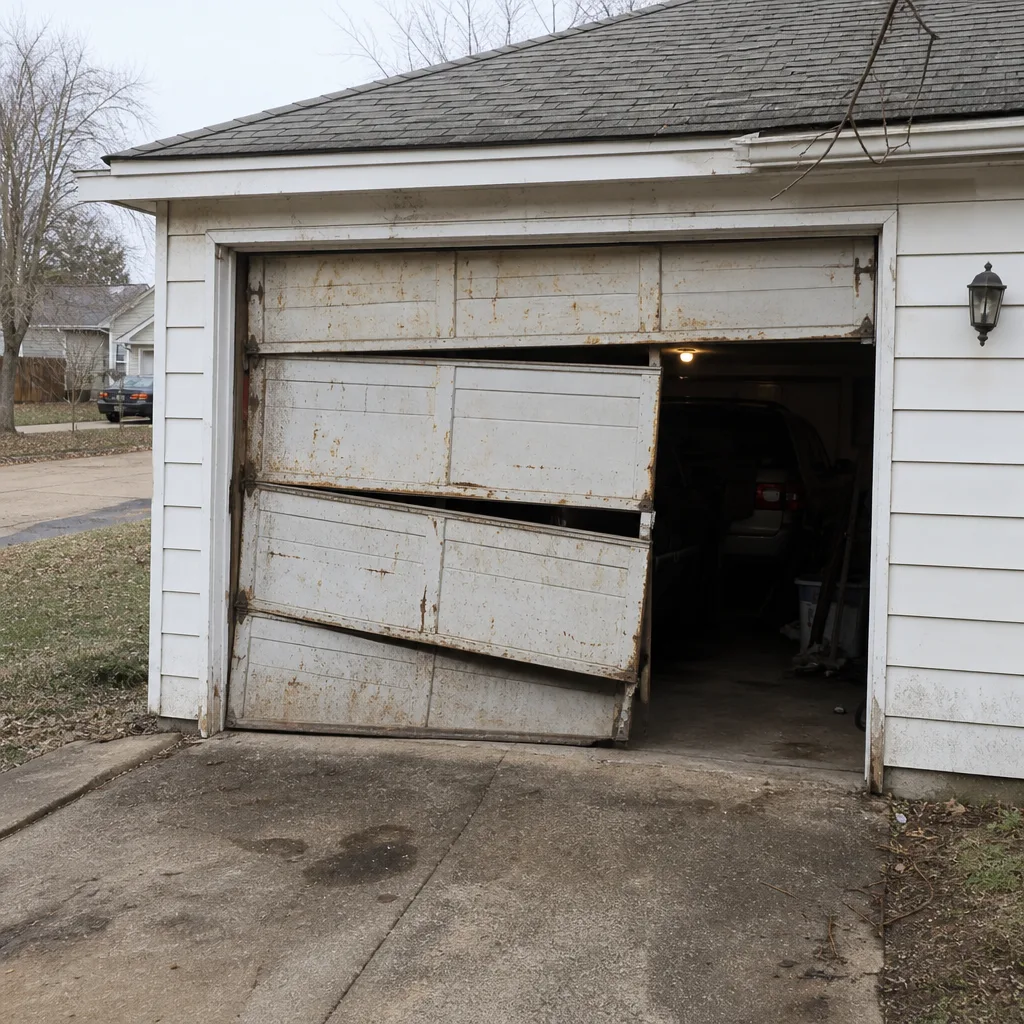 Before
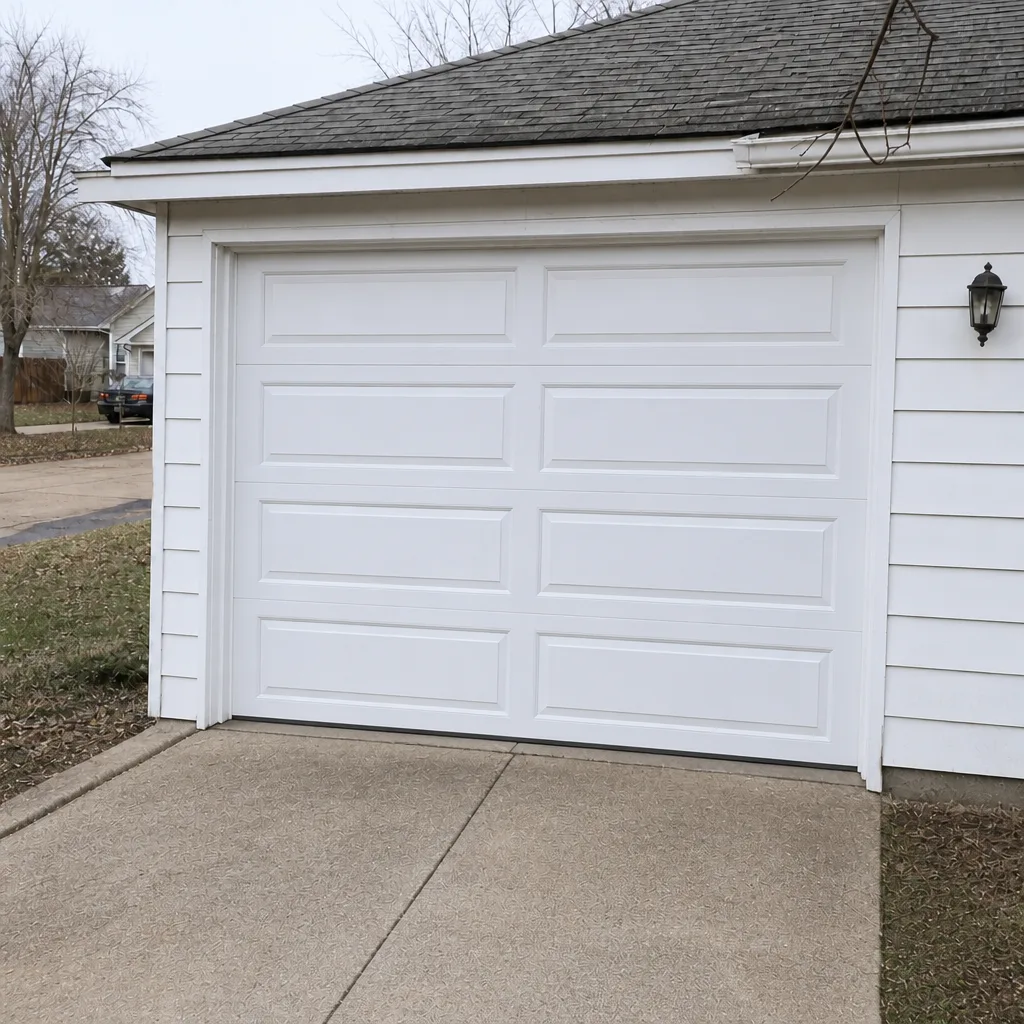 After
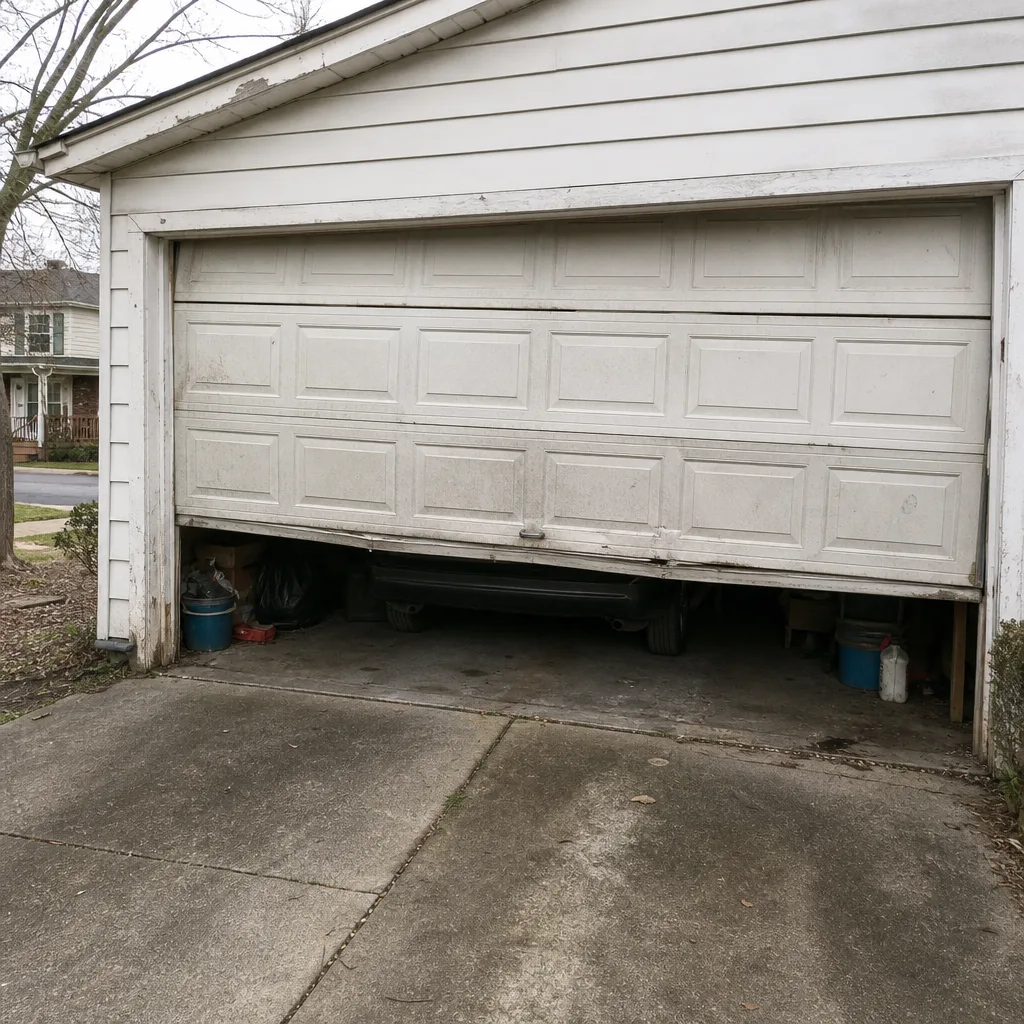 Before
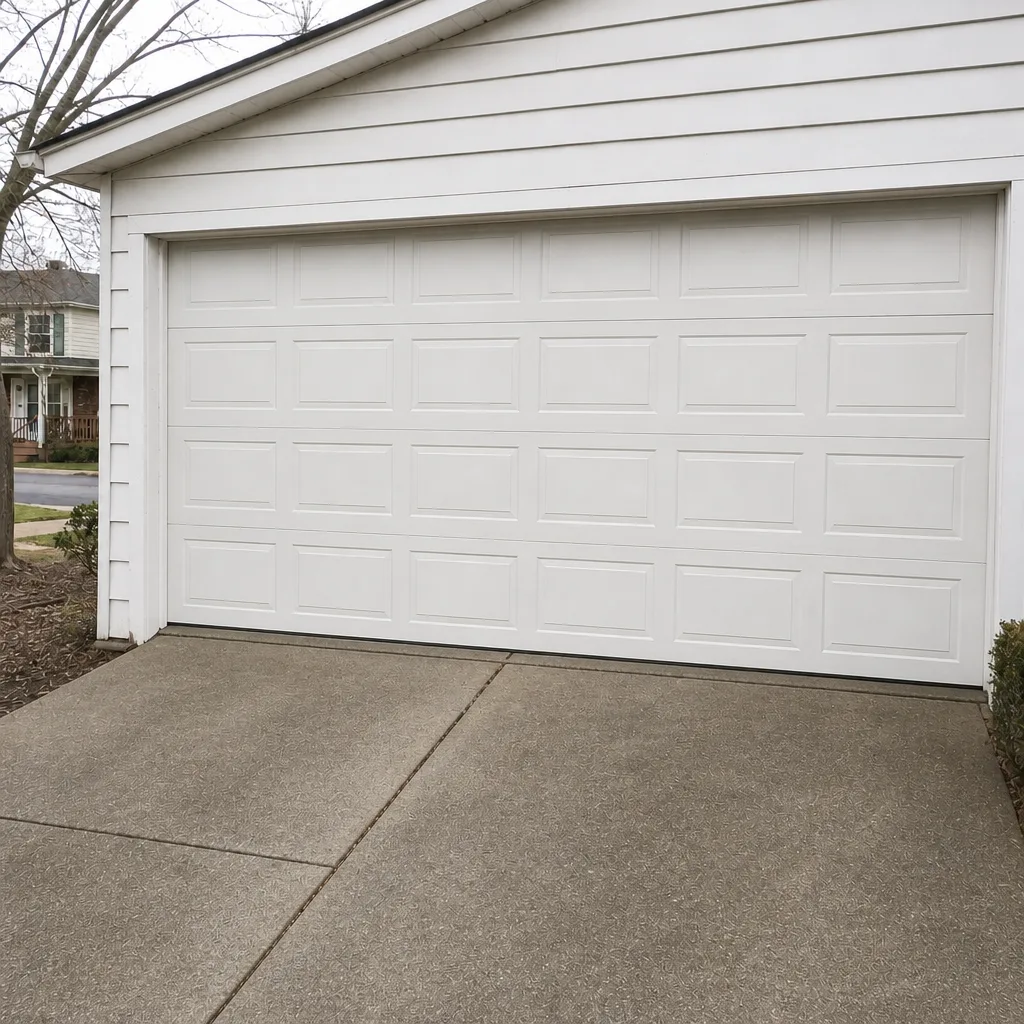 After
When to Call a Professional
Some checks are homeowner territory and some aren’t. Any visible gap in a spring, a frayed or kinked cable, a door that slams down, or a door that reverses when the path is clear all warrant a professional look. Never attempt a spring or cable adjustment yourself. A loaded torsion spring can cause serious injury if it slips, and the cables are under constant tension. The same goes for anything that feels wrong while you’re on a ladder. If the door stalls, the opener grinds, or the alignment keeps slipping after a couple of adjustments, it’s cheaper to have a technician catch it early than to wait for a failure.
Our Waldorf Garage Door Repair Pros team runs free estimates across Waldorf and the surrounding area. We work on the brand you already have, including eight of the most common residential brands, and we handle repair, tune-up, and full replacement. Call (844) 443-3856. We answer 24/7. Fast dispatch from 7am to 7pm, Sunday through Friday.
Frequently Asked Questions
Every quarter, and definitely before winter sets in. Maryland’s humid summers and freeze-thaw winters wear on a garage door’s moving parts differently than a dry climate does. Use a white lithium or synthetic lubricant on hinges and bearings, and silicone spray on the tracks, then reapply in October ahead of the first cold snap.
It’s almost always the photo-eye sensors drifting out of alignment. The high-clay soil under much of Waldorf shifts with every freeze-thaw, and that slight movement tilts the sensor brackets just enough to break the beam. Check both sensor lights; if one is blinking, wipe the lens and gently re-align. If it slips again within a few months, call us for a remount.
Watch the door’s balance and listen for new sounds. If you release the door at waist height and it drops instead of holding, or if you can see a visible gap in a torsion spring, replace it. Use the cycle-life math: divide the spring’s rated life (usually 10,000 to 15,000 cycles) by your daily cycles times 365 to estimate years left. Any spring adjustment is a job for a technician.
The 7-point inspection and the monthly and quarterly tasks are homeowner-safe if you skip anything on a ladder and never touch the springs or cables. The annual tune-up, and any adjustment of springs, cables, or the opener’s force settings, is worth a pro. Our technicians have up to 11 years of experience, and a free estimate lets you compare repair against a full tune-up.
A tune-up is planned: you pick a day and the technician runs the checklist, lubricates, and tests. A repair is reactive and can be urgent, especially if a spring has failed or the door won’t close. For tune-ups, a free estimate at your home is the simplest way to lock in a visit. For repairs, call and we’ll get someone out fast.
Not physically, but you do need to watch the software. Wi-Fi openers from LiftMaster, Chamberlain, Genie, and Craftsman occasionally drop their connection after a router change or a firmware update. If the door works from the wall button but not the app, it’s a connection issue rather than a mechanical one. Test the app quarterly as part of your monthly check.
What does a professional tune-up cover that I can’t do myself?
The tune-up includes a full balance test, opener force setting check, spring inspection, and any adjustments you can’t safely do from a ladder. It’s the chance to catch small issues before they become a failure. Call (844) 443-3856 for a free estimate. The written estimate sets the price before any work begins, and we won’t add to it after the fact.
The Bottom Line
A garage door in Waldorf fails on the calendar, not by surprise. Monthly inspections catch small issues, quarterly lubrication keeps humidity and freeze-thaw from wearing out moving parts, and an annual tune-up, whether you book it or do it yourself, catches the deeper problems before they strand a car. The 7-point sequence, the right lubricant for the season, cycle-life math for the springs, and sensor alignment after ground movement will handle nearly everything a Maryland year throws at a garage door. When the springs or cables look wrong, stop and call a pro. Call (844) 443-3856 for a free estimate. We answer 24/7. Fast dispatch from 7am to 7pm, Sunday through Friday.
Written by the team at Waldorf Garage Door Repair Pros.