
Last updated November 21, 2026
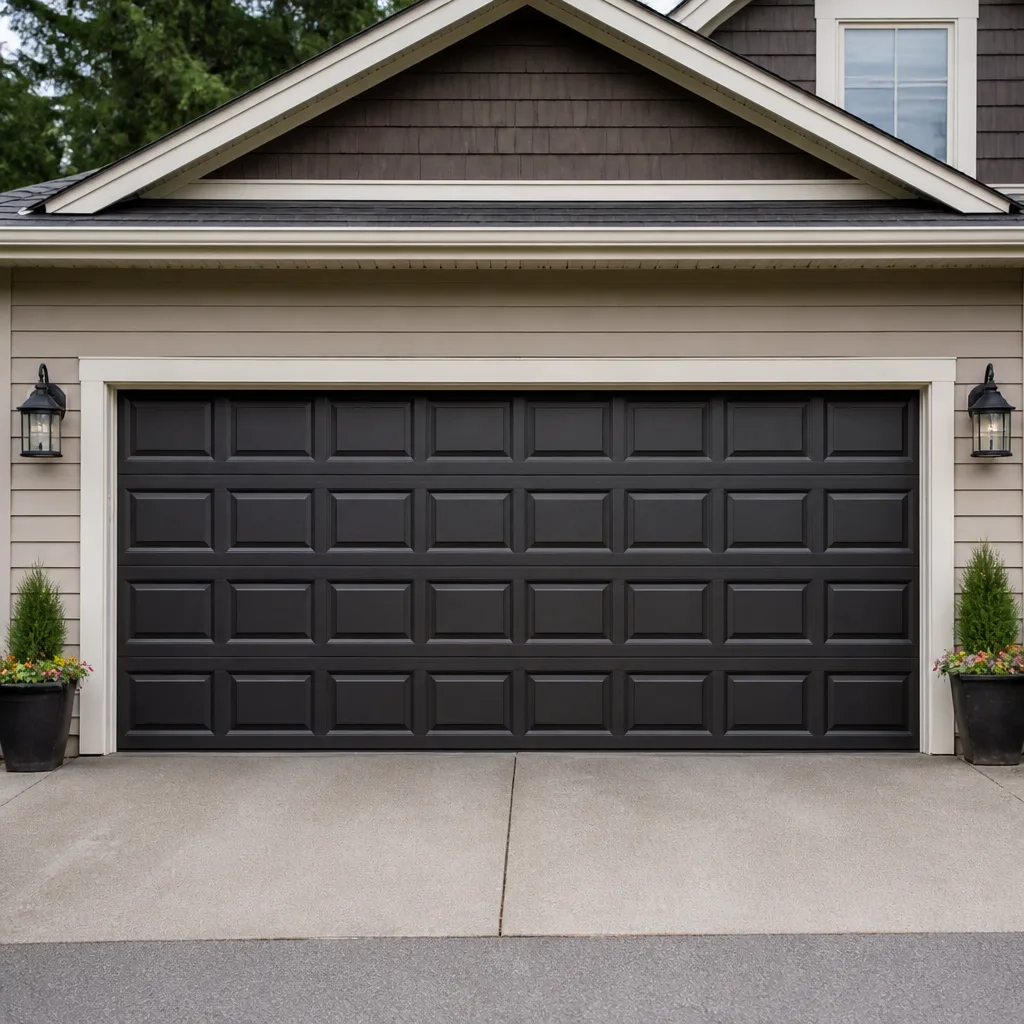 Raised-panel steel
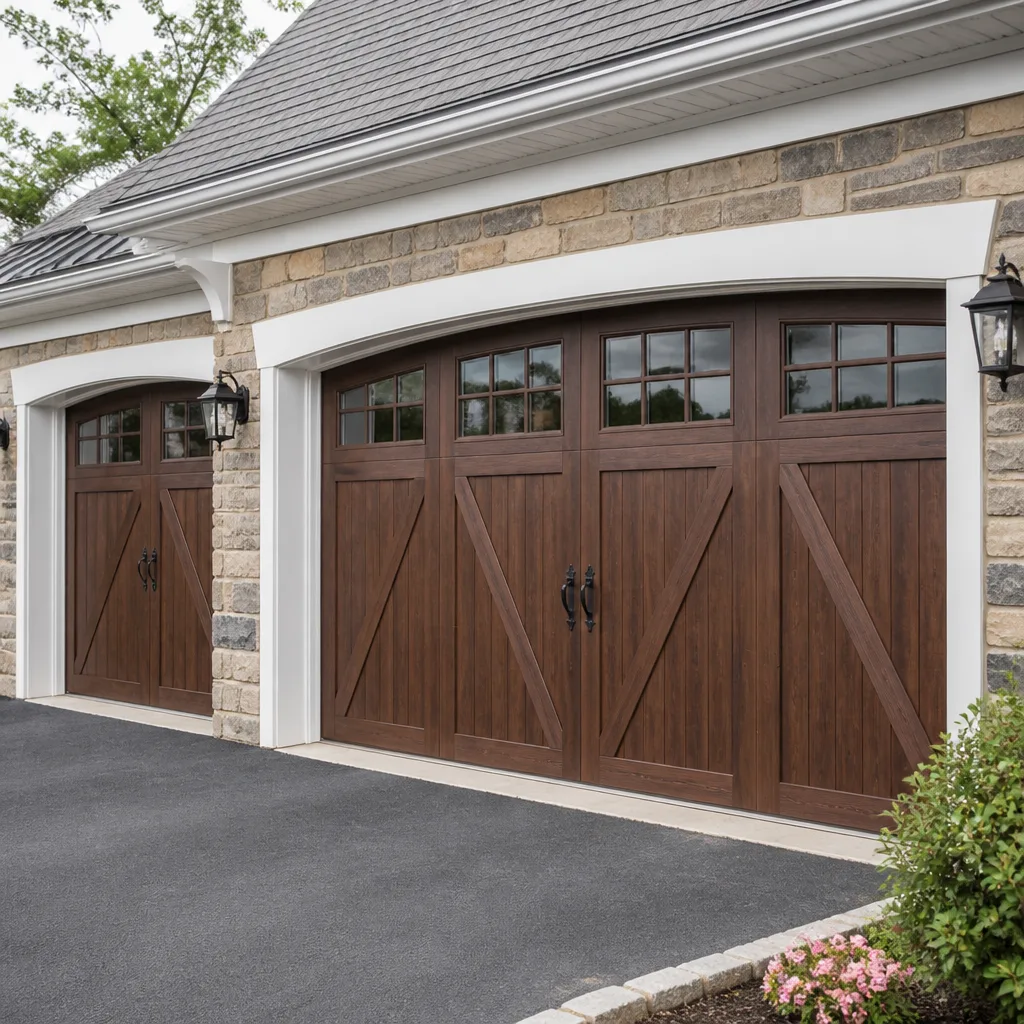 Carriage house
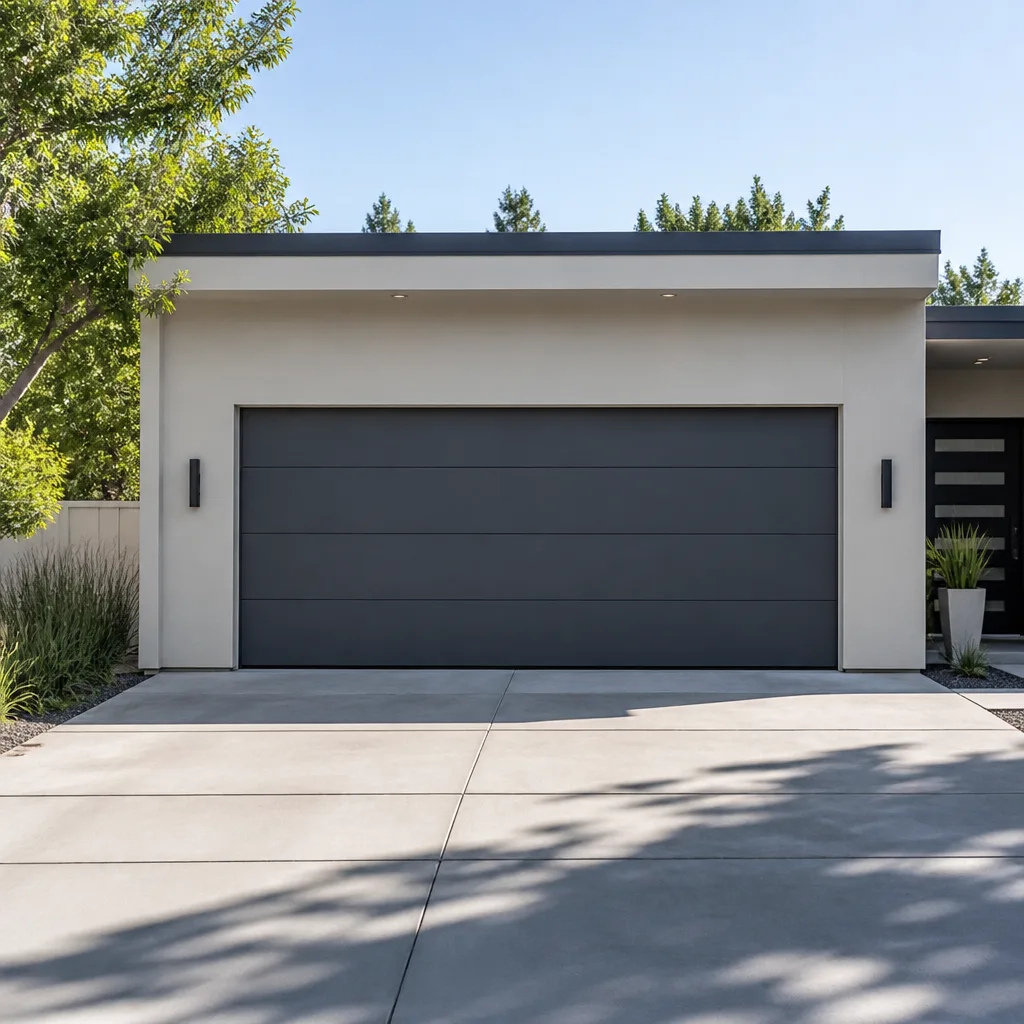 Modern flush
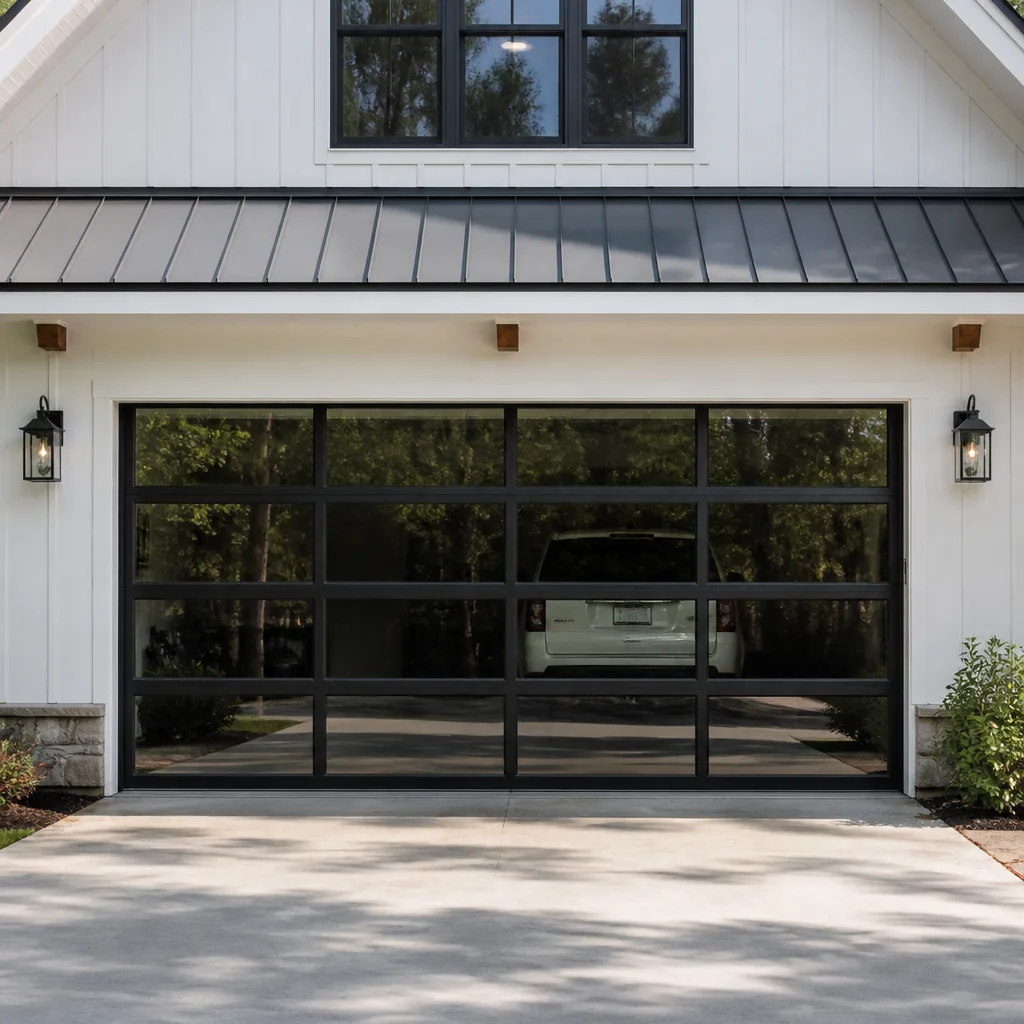 Full-view glass
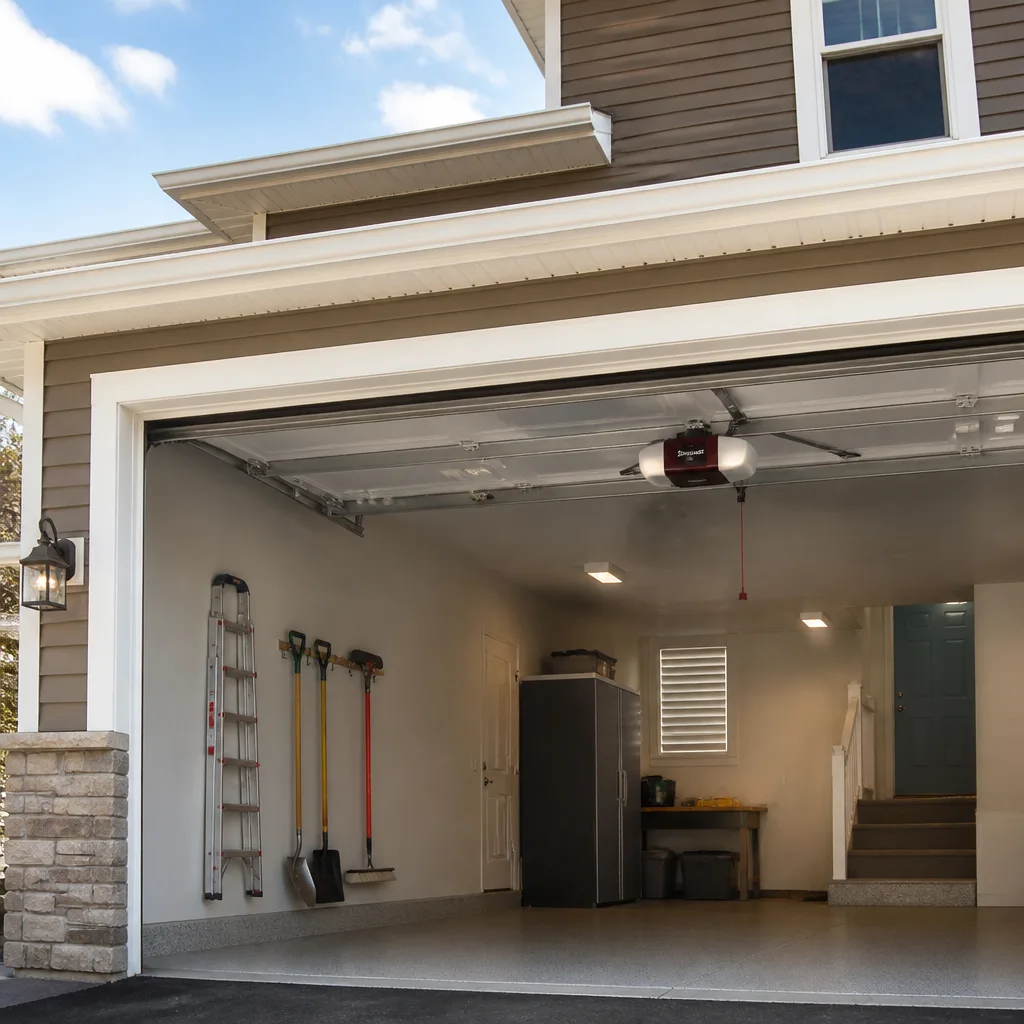 LiftMaster openers
 Chamberlain openers
Full 25-point door and opener safety check with every visit - springs, cables, rollers, tracks, and your LiftMaster or Chamberlain opener included
You get a price before we start. It does not change when the pro arrives.
Get your free estimateGarage Door Warning Signs: A Waldorf Homeowner’s Reference Guide
Waldorf garage doors rarely fail without telling you first. The torsion spring that snaps, the cable that comes off the drum, the opener that strips its gear – each one usually sends signals for weeks: a pop you hear once and forget, a track that sounds a little rougher than it used to, a door that drifts down a few inches on its own. Homeowners dismiss these as “normal aging” because nobody ever handed them a baseline. This guide gives you that baseline. You’ll learn what each sound actually points to, a 60-second balance test you can run yourself, and the visual wear patterns that mean a spring or cable is due for replacement before it fails dangerously.
Quick Answer
The most reliable garage door warning signs are a popping or snapping sound from the torsion bar, a door that slams down instead of lowering smoothly, a door that won’t stay open when you lift it halfway, and visible rust or fraying on springs and cables. Any one of these means you should stop running the door and get it inspected – a failed spring or cable can drop a 200-pound door in under a second.
Styles & brands we work with
- Raised-panel steel
- Carriage house
- Modern flush
- Full-view glass
- LiftMaster openers
- Chamberlain openers
Table of Contents
- What the Sound Is Telling You: A Three-Noise Diagnostic
- The 60-Second Balance Test That Reveals Spring Fatigue
- Reversal Behavior: Sensor Problem or Force-Limit Problem?
- Reading Rust and Wear on Springs and Cables
- When a “Working” Door Is Still a Liability
- How Waldorf’s Weather Accelerates Wear
- Brand-Specific Notes: What We See Most in Waldorf
- What Happens When You Call: Repair vs. Replacement
What the Sound Is Telling You: A Three-Noise Diagnostic
Garage doors make noise. That’s expected. What matters is the kind of noise, when it happens, and whether it’s new. In our experience across Waldorf, homeowners who can describe the sound accurately get to the right fix faster. Here are the three categories that come up most, and what each one usually means.
Grinding
Grinding is almost always a track or roller problem. Metal is meeting metal it shouldn’t – a roller with a dry or flat bearing, a track that’s been bumped out of alignment, or debris packed into the channel. Grinding that happens at the same spot on every cycle points to a bent track section or a damaged roller. It tends to worsen gradually and is rarely an emergency on its own, but a roller that seizes completely can score the track and turn a small repair into a bigger one. Grinding also shows up on openers when the drive gear or chain is wearing; that’s a separate repair on the motor unit itself.
Popping or snapping
Popping is the sound most worth paying attention to. A single loud pop from the torsion bar overhead usually means one of the two springs has broken – on a matched pair, one can snap and the door will still open on the remaining spring, just with more strain and slower. Short, repeated popping sounds during operation point to spring fatigue, where the coils are binding and releasing instead of moving smoothly. Popping is the warning sign that most often precedes a full spring failure. When you hear it, stop running the door and get it looked at.
Scraping
Scraping tends to mean panel misalignment or a door that’s gone off-track. The panel edges are dragging on the jamb, the header, or the track, and the source is usually worn hinges, a bent track, or a cable that’s lost tension and let the door sit crooked. Scraping that appears suddenly after a bump or a heavy wind event should be treated as a realignment issue; the door needs to come down and be inspected before it’s run again. A door that scrapes can also go off-track entirely, which is a much larger repair.
If you can’t tell which of the three you’re hearing, the safest move is to keep the door closed and have a technician take a look. Fast dispatch from 7am to 7pm keeps the wait short for urgent cases in Waldorf, and our garage door repair service covers tracks, rollers, panels, and cables in one visit.
The 60-Second Balance Test That Reveals Spring Fatigue
The balance test is the single most useful thing a homeowner can do on a garage door. It shows whether the springs are still doing their job or whether the opener is carrying load it was never designed to carry. The test takes under a minute and requires no tools. Do it with the door closed and the opener disconnected.
- Disconnect the opener. Pull the red manual release handle hanging from the opener rail. The door should now move by hand.
- Lift the door to about waist height. Use the bottom handle or the lower panel edge. If the door feels unusually heavy, stop – that’s already a result.
- Let go at the halfway point. The door should sit still where you let go. If it drops down, the springs are weak. If it drifts upward on its own, the springs are over-tensioned or the drums are out of balance.
- Repeat at a few heights. The door should hold at roughly waist height, chest height, and shoulder height. Holding at one height but drifting at another points to a cable or drum issue rather than spring wear alone.
- Reconnect the opener. Pull the door back down to the closed position and re-engage the manual release by running the opener. The carriage will catch the trolley on the first cycle.
A door that fails the balance test is telling you the springs are on their way out. A door that drops hard or falls suddenly when released is a stop-everything situation: a spring or cable has likely already failed or is about to. Do not cycle the opener again. Call us at (844) 443-3856. We answer 24/7. Fast dispatch from 7am to 7pm, Sunday through Friday.
Reversal Behavior: Sensor Problem vs. Force-Limit Problem
A door that reverses before it closes is one of the most common complaints we hear in Waldorf, and it’s a good example of a symptom with two very different causes. The fix depends entirely on which one you have.
Safety sensor problem. The two photo-eye sensors at the bottom corners of the opening watch for obstructions. If the beam is interrupted – by a broom handle, a piece of yard debris, a spider web, or a misaligned sensor knocked slightly out of aim – the door reverses on the way down. This is the safer failure and the easier fix. The sensors are usually working as intended; something is in their line of sight or their mounts have drifted.
Force-limit problem. If the safety sensors are clean and aligned but the door still reverses, the opener is detecting resistance and treating it as an obstruction. That resistance usually comes from a binding door: dry rollers, a track that’s slightly off, weak springs forcing the motor to work harder, or a door that’s out of balance. The force setting on the opener can be adjusted, but adjusting it without fixing the underlying drag is the wrong move – it just masks the real problem and defeats a safety feature.
To tell the two apart: look at the sensor lights. Most units show a steady light when the beam is clear. If the light is off or flickering, you’re chasing a sensor problem. If the light is steady and the door still reverses, the door is binding. Our garage door opener repair service is built to sort that second case out properly rather than turning up the force and calling it done.
Reading Rust and Wear on Springs and Cables
Springs and cables are the parts that fail with the most force, and they’re also the parts that show wear earliest if you know where to look. After a torsion spring has been cycled tens of thousands of times, the coil metal thins and eventually cracks. The visible signs appear before the break.
Spring warning signs
- Rust-colored streaks along the coil. Oxidation at the coil edges – often a brown-orange tint against the black finished steel – means the metal is degrading.
- Visible gaps between coils. On a closed door, the coils should sit evenly. A gap in the middle of a coiled spring usually indicates a partial break or a stress point.
- Flaking or pitting. If the surface of the spring is chipping off in flakes, the metal underneath is already compromised.
- A visible crack across the coil thickness. This is the last stage before failure – stop using the door immediately.
Cable warning signs
- Fraying at the drum or the bottom bracket. Cables are braided steel; any strand that’s broken free is a sign others will follow.
- A cable that’s gone slack. A loose cable means the spring or drum on that side has lost tension – possibly because the spring has already broken.
- Rust or discoloration along the cable run. Rust weakens the strands from the inside.
- A cable sitting off its drum. If the wire has wandered off the groove, the door is being held by the other side and needs to come down.
We replace worn springs and cables well before failure, as a planned repair rather than an emergency. In our experience, most Waldorf homeowners who can point to visible rust or fraying are best off scheduling the replacement within the next couple of months rather than waiting for the pop. That gives you time to choose a window, get the door measured correctly, and have a matched pair of springs installed in one visit as it should be – a single-spring replacement on a pair is a false economy. Our garage door spring repair is quoted in writing before we start, so you know what you’re paying for.
When a “Working” Door Is Still a Liability
The most under-reported category of garage door problem is the door that opens and closes every day without failing, while quietly operating outside safe parameters. Homeowners treat a working door as a safe door. That’s not always the story. These are the signs we look for.
- The door travels unevenly. One side leads, the other lags, even slightly. The door will still open, but it’s being held by one spring or cable doing most of the work. Left alone, that imbalance wears out the other side.
- The opener strains or hesitates. If the motor hums briefly before the door starts to move, the springs are slack and the opener is dragging the door up by force. The opener wasn’t designed for that load.
- The door slams at the bottom. A door that hits the floor with a bang instead of easing down is a spring, cable, or force-setting problem. The motor’s closing force is too high, or the door is out of balance. Either way, the door is coming down faster than it should – a real risk to anyone or anything underneath.
- Hinges and rollers look bent. Bent hardware means the door is stressed. It may still cycle, but the wear compounds daily.
- The door sags in the middle when raised. A widow-maker bow on a sectional door usually points to a broken or near-broken center spring setup on a double door, or to hinges that have lost their shape.
- You can’t remember the last time it was serviced. Springs and cables aren’t maintenance-free. A door that hasn’t been inspected in years can be weeks away from failure without any obvious sign yet.
A door in this category is a liability because the failure is predictable and the consequences land all at once. We’d rather measure a door while it’s still working and schedule the springs for replacement than pull a shattered pair off a door that dropped on a car. Waldorf Garage Door Repair Pros works on the brand you already have – Amarr, Wayne Dalton, Craftsman, Raynor, and others – so the inspect-and-plan conversation isn’t limited by what’s on the label.
How Waldorf’s Weather Accelerates Wear
Waldorf has the climate that garage doors and their hardware tend to punish hardest. Hot, humid summers cycle the metal at high temperature, then winter brings freeze-thaw shifts inside unheated garages. That swing matters more than most homeowners realize.
Springs are the part most affected by temperature. Metal at high summer temperatures expands slightly and then contracts when temperatures drop; repeated swells of hot air followed by cold nights slowly fatigue the coil metal at its stress points. Summer humidity adds a layer: humidity is the reason interior garage hardware rusts even when the door itself is protected outside. A spring that lives in a damp garage sees that cycle every summer and every winter, and the rust that forms is the earliest visible sign its lifespan is shortening.
Cables,rollers, and hinges all show the same pattern. Rollers that run smoothly in dry weather stiffen in cold, and a stiff roller puts more strain on the tracks. Hinges start to seize. The opener’s gear and chain need more force to move the door, which accelerates wear on the drive mechanism itself. A wooden door in this climate also moves; in the summer heat, panels can swell enough to rub, and the scraping sound that shows up in July often lines up with the wood’s seasonal movement rather than a track problem.
Weatherproofing helps more than any single repair. Seals on the door bottom and the jamb keep rain and humidity out of the garage, which slows corrosion on springs and cables. Lubricating rollers, hinges, and springs (yes, torsion springs – a dry spring should get a coat of garage-door lubricant once or twice a year) extends their usable life. A tune-up that covers all of that costs little compared to a spring failure in the middle of a Waldorf summer.
Brand-Specific Notes: What We See Most in Waldorf
Garage doors and openers differ in small but real ways by brand, and knowing which brand is on your house tells you a bit about what’s likely to fail. Our technicians have up to 11 years of experience, and we work on the eight most widely installed brands: LiftMaster, Chamberlain, Genie, Clopay, Amarr, Wayne Dalton, Craftsman, and Raynor.
Amarr doors tend to hold up well in the mid-Atlantic climate, with steel panels that resist weather movement better than wood. Their hardware is straightforward and the spring systems are conventional, so the diagnostic approach is the same balance-and-sound test described above.
Wayne Dalton doors, especially the older TorqueMaster-style springs, use an enclosed spring system that isn’t visible from outside. Homeowners with that setup can’t look up and see the coil; the balance test and the sound are your two best signals. The TorqueMaster should still be serviced by a trained technician – the enclosed design adds a step to the repair, not a shortcut.
Craftsman openers (the ones built on the Chamberlain platform) and their Genie and LiftMaster cousins share the same force-limit and safety-sensor architecture, so the reversal-behavior section above applies to all of them. Smart-home-compatible openers across those brands have one extra thing to check: after a power outage or firmware update, the sensor alignment can drift and the reversal behavior changes without any obvious mechanical fault.
Raynor doors tend to be built like tanks. The most common issue we see is not the door but the opener – a heavy Raynor door paired with an undersized motor will shorten the opener’s life. The fix is usually a matched spring upgrade plus a correctly sized opener, timed together.
What Happens When You Call: Repair vs. Replacement
Most Waldorf garage door problems are repair-grade, not replacement-grade. When the door is sagging or won’t move at all, the visit goes roughly like this:
- We listen to the symptom in your words. The sound and timing you describe narrow down the cause before we’re on-site.
- We inspect the door – springs, cables, tracks, rollers, hinges, panels, and opener. That’s the whole system, not just the part you called about. A grinding sound might be a roller, but the underlying cause is often a door that’s out of balance.
- We run the balance test and a cycle test. What the door does under load tells us whether we’re looking at a minor hardware repair or a spring or cable replacement.
- You get a written estimate before anything is touched. Price is set per job by the estimate, not by the clock, and nothing starts until you’ve agreed to it.
- Repair, or a scheduled measured installation. Fixes for springs, cables, tracks, rollers, hinges, and openers are typically done on the same visit. A new door or full replacement is measured, ordered, and scheduled – that’s the right sequence for installs, not the right sequence for a snapped spring.
Our Waldorf Garage Door Repair Pros team covers the full range from a single day’s repair to a complete door replacement. If you want a cost conversation first, the estimate is free and the written quote is the price.
Common Mistakes to Avoid
- Treating a single pop as nothing. A pop from the torsion bar is almost always the first spring of a pair breaking. Running the door on one spring wears the other out fast and strains the opener. Stop and get it looked at.
- Adjusting the opener’s force setting to stop a reversal. Upping the force masks a binding door. The door is still binding, you’ve just disabled a safety feature. Fix the drag, then leave the force alone.
- Replacing one spring on a matched pair. Springs are cycled as a pair and wear at the same rate. Putting in a new spring next to a worn one loads the new spring unequally and shortens its life. Replace both.
- Ignoring rust on the coils because the door still opens. Visible rust on a spring means the metal has been degrading for months. It’s a planned-repair conversation right now, and an emergency if you wait.
- Assuming a working door is a safe door. A door that opens every day can still be operating outside its safe parameters – springs slack, door out of balance, force limit cranked up. Run the balance test once a season.
- Testing a broken door by cycling it again. A door that’s dropped, jammed, or reversed hard should not be run again until it’s inspected. The next cycle may release a load it can’t hold.
- Calling an unknown brand service on a door you can’t identify. If you don’t know which brand your door or opener is, tell the service that up front. Waldorf Garage Door Repair Pros works on eight major brands – Amarr, Clopay, Wayne Dalton, LiftMaster, Chamberlain, Genie, Craftsman, and Raynor – so the technician arrives knowing what they’ll find.
See the difference
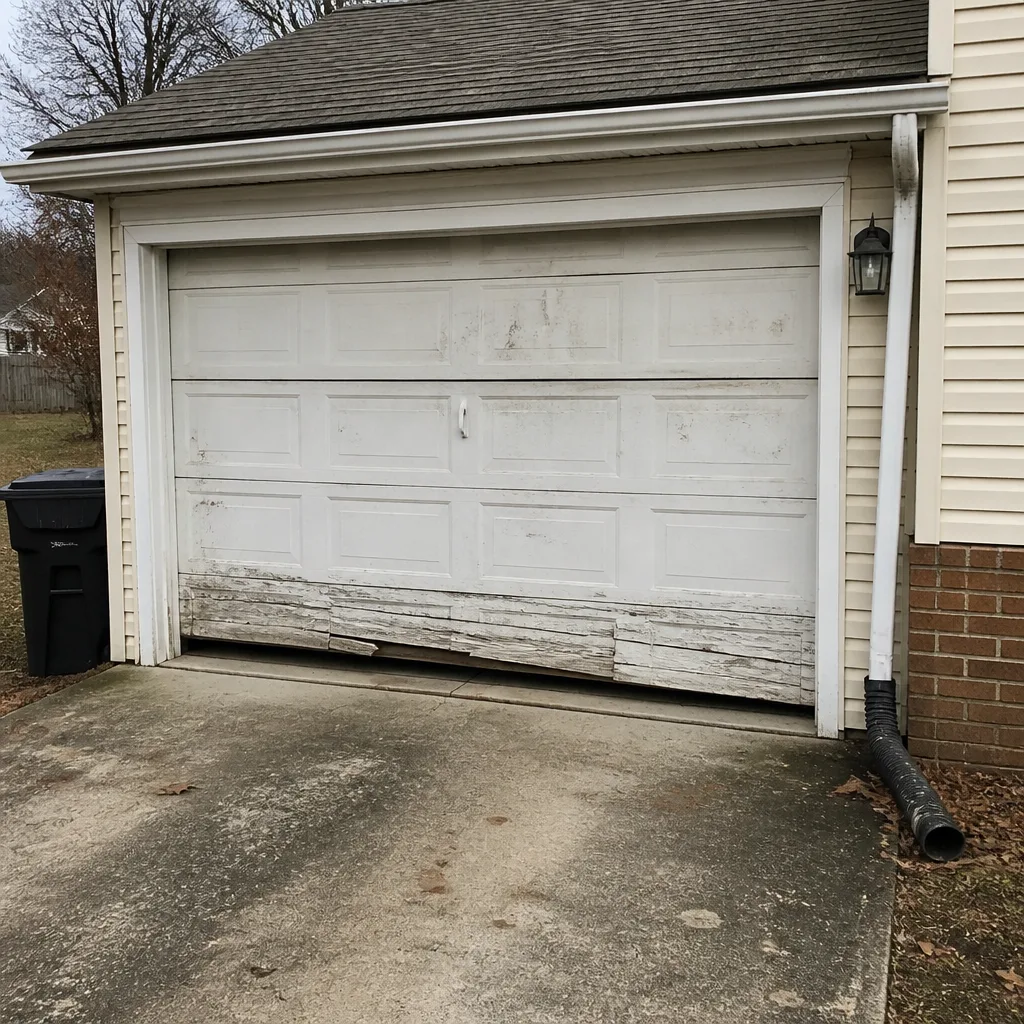 Before
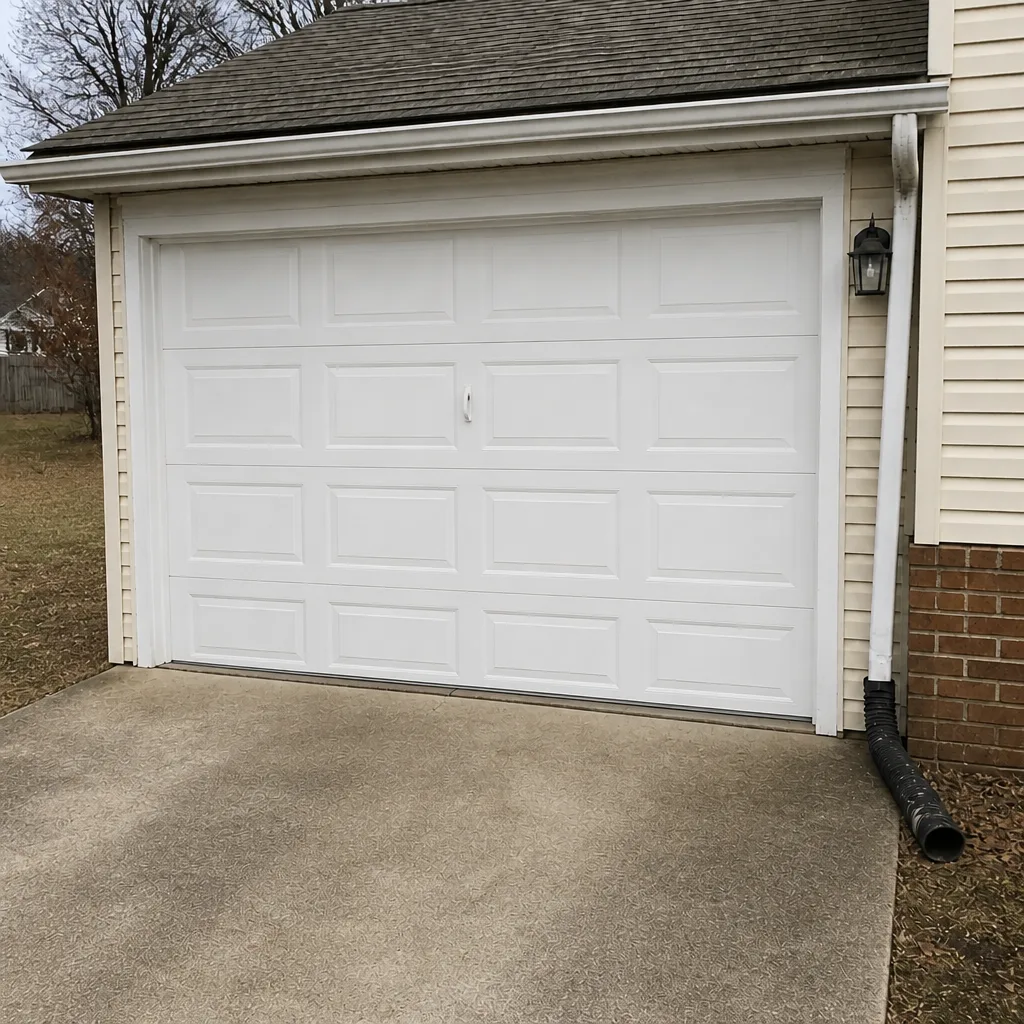 After
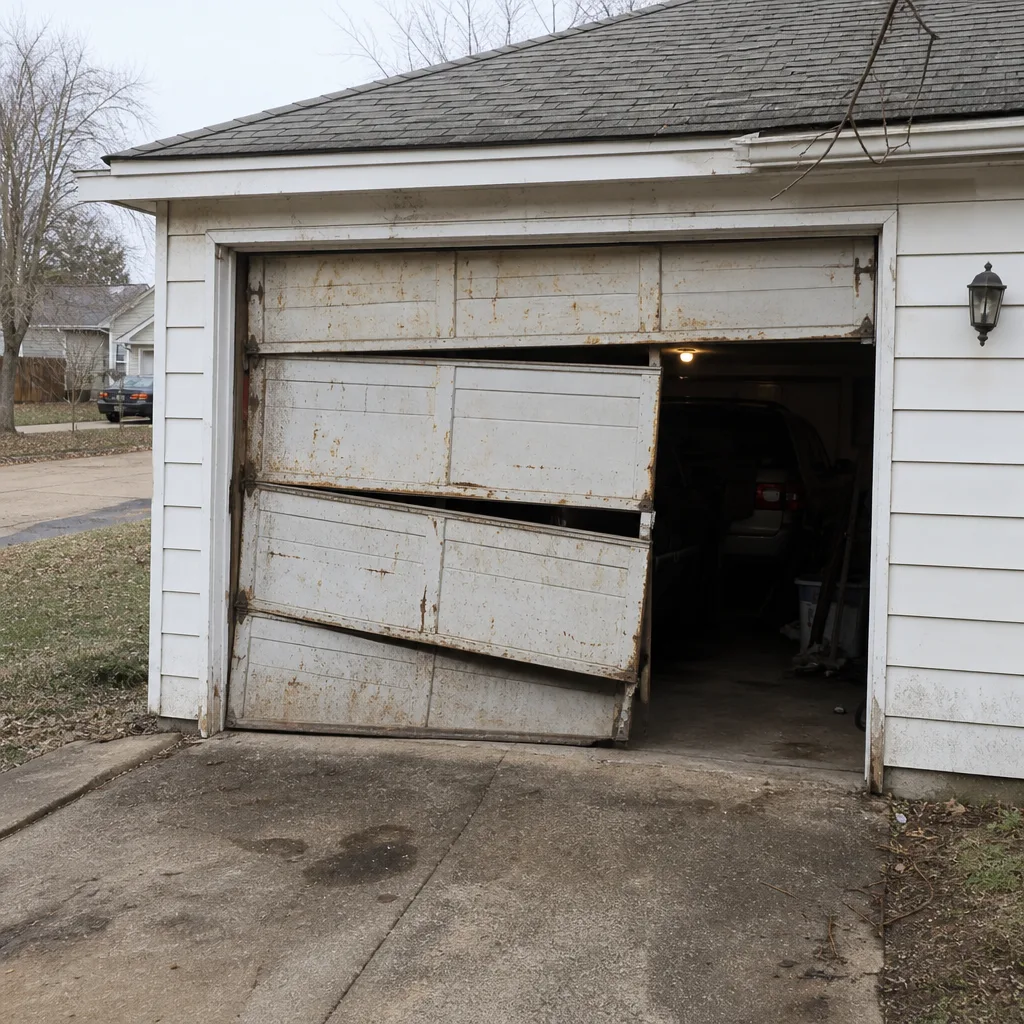 Before
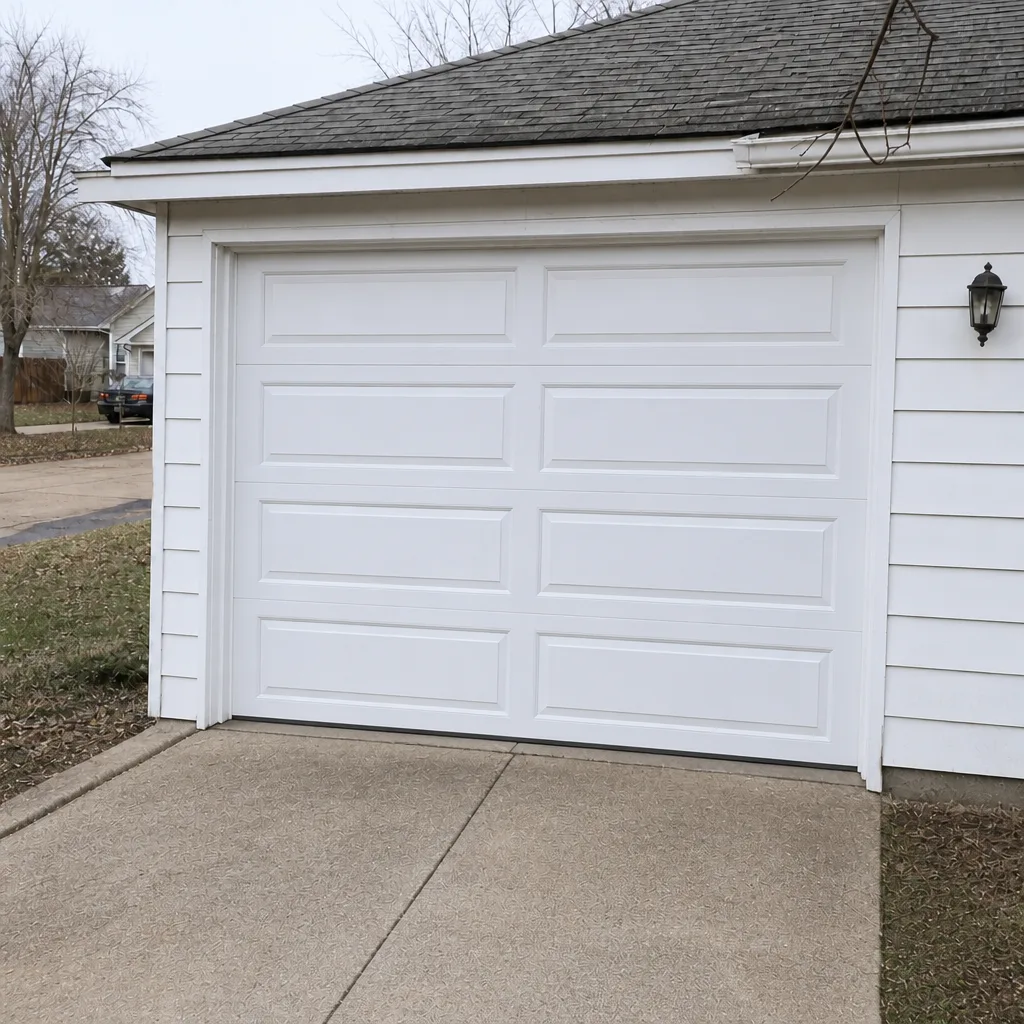 After
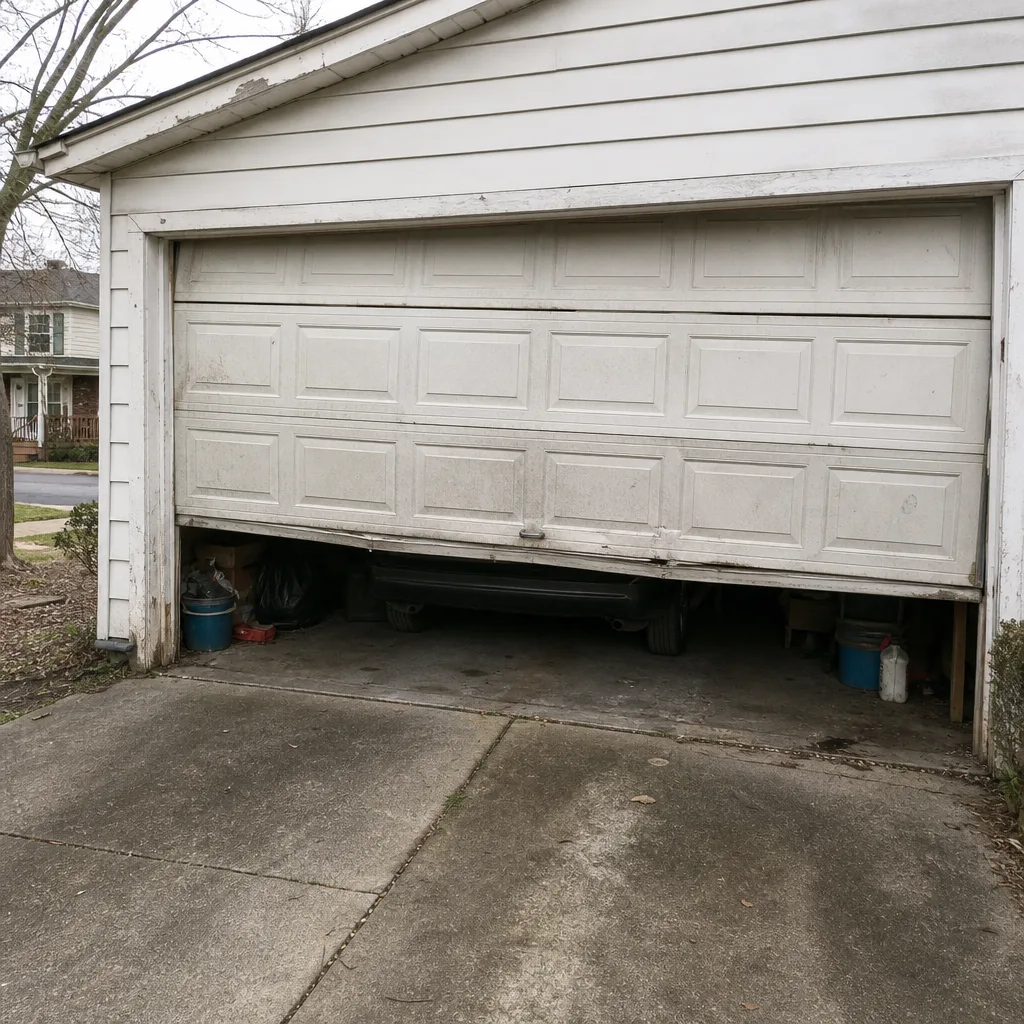 Before
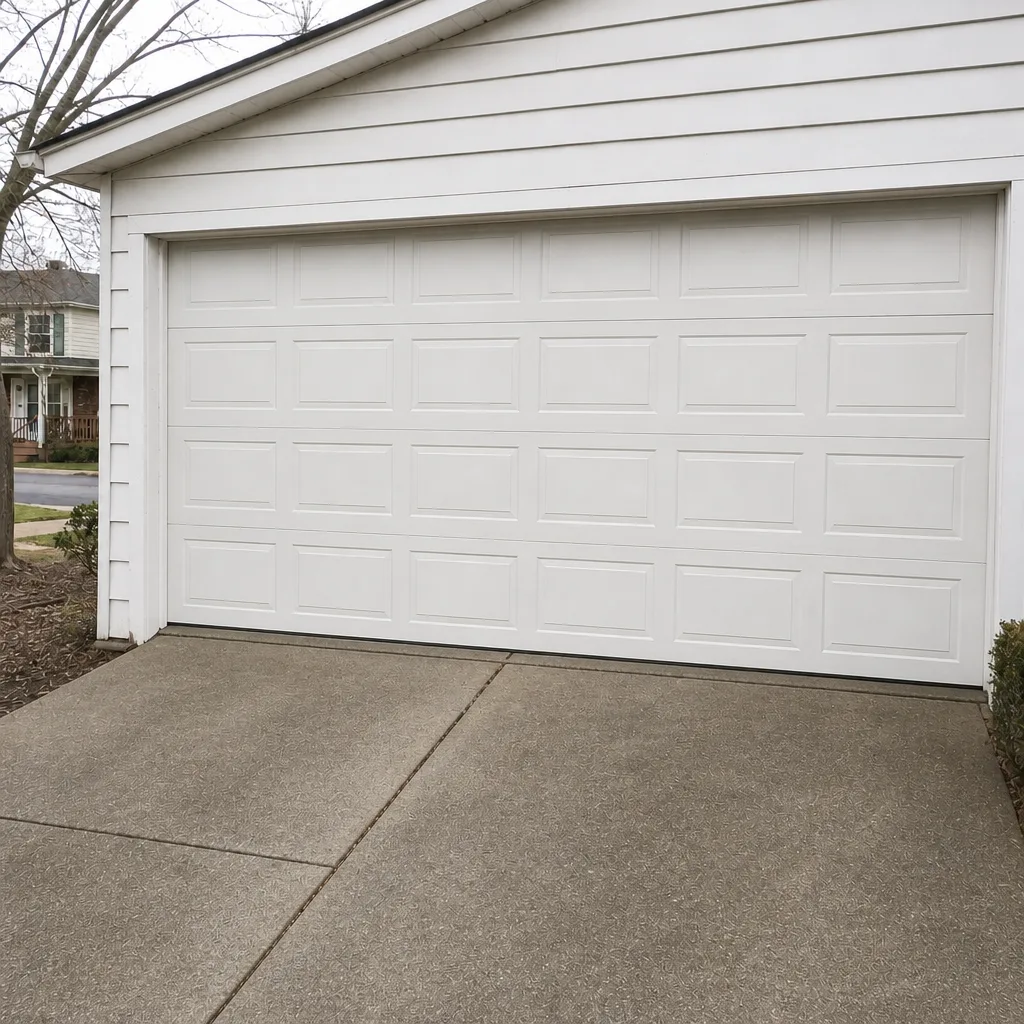 After
When to Call a Professional
Call immediately if a spring has visibly broken or popped, if a cable has come loose or is frayed, if the door has dropped, jammed, or gone off-track, or if the door won’t stay open when you lift it by hand. These are the situations where the load on a garage door – and the danger to anyone standing under it – is beyond what a homeowner should handle. Springs and cables are high-tension parts. The metal under load in a torsion spring can cause serious injury in an instant, and there’s no safe way to check or adjust them from the ground. Leave the spring work to a trained technician.
Call sooner rather than later if you notice grinding, popping, scraping, or an opener that hesitates. Those are the “planned repair” conversations that keep you out of the emergency category, and Waldorf Garage Door Repair Pros offers free estimates in Waldorf – call (844) 443-3856. We answer 24/7. Fast dispatch from 7am to 7pm, Sunday through Friday. Same-day repair is available for most urgent calls, and if you reach us outside dispatch hours, a call is booked into the next opening, Sunday through Friday, 7am to 7pm.
Frequently Asked Questions
The most reliable signs are a popping or snapping sound during operation, visible rust or pitting on the coil, a gap between coils, a door that fails the balance test by dropping when released halfway up, and a door that drifts downward on its own. Any one of those means the spring is at or near the end of its life – stop running the door and get a technician out to measure it. Call (844) 443-3856 for a free estimate.
Grinding almost always means a roller or track problem – metal-on-metal contact from a worn bearing or a bent track. Popping almost always means spring fatigue or a spring that’s just broken. The two get conflated because both sound alarming, but the urgency is different: grinding is a repair conversation, popping is a stop-now conversation. Call (844) 443-3856 to describe the sound and get an honest read on urgency before you cycle the door again.
It’s either a safety-sensor problem or a force-limit problem, and the two fixes are very different. If the sensor lights are off or flickering, something is blocking the photo-eye beam or a sensor has drifted out of alignment; that’s the easy case. If the sensor lights are steady and the door still reverses, the door is binding – dry rollers, an off-track section, or weak springs – and increasing the opener’s force to get past it is the wrong move. Call (844) 443-3856 for a free estimate on the correct fix.
Yes – the balance test is safe and simple with the opener disconnected, lifting the door to about waist height and letting go. The door should hold its position. Do not touch the springs, cables, or drums themselves. Those are high-tension parts that can cause serious injury, and no homeowner should adjust them. If your door fails the balance test, call (844) 443-3856 and we’ll take it from there.
The written estimate sets the price, and it’s always quoted before any work starts. We measure the door, identify the spring type and size, and give you the number up front. If you’ve been told the price will change once the technician is on-site, that’s not how we work – the estimate is the price. Call (844) 443-3856 for a free estimate.
No. A door that opens every day can still be operating outside its safe parameters – slack springs, worn cables, an out-of-balance door, or an opener doing more work than it was designed for. Waiting on a “working” door is how a small repair becomes an emergency. Call (844) 443-3856 for a free estimate and get the door measured while it’s still working.
The Bottom Line
Garage doors don’t fail without warning. They pop, grind, scrape, lose their balance, and show rust long before the spring or cable gives out. The homeowner’s job is to know the baseline: what normal sounds like, what the balance test should do, and which visible wear signs mean it’s time to plan the repair. Waldorf’s humidity and freeze-thaw cycle push springs and cables harder than most places, so a seasonal look at the hardware is worth doing. If anything in this guide sounds like your door, don’t cycle it again – call, get the door measured, and know the price before anyone touches it.
Your garage door is your largest moving part – treat it that way. Call (844) 443-3856. We answer 24/7. Fast dispatch from 7am to 7pm, Sunday through Friday. Free estimates, written before any work starts.
Written by the team at Waldorf Garage Door Repair Pros.