
Last updated November 21, 2026
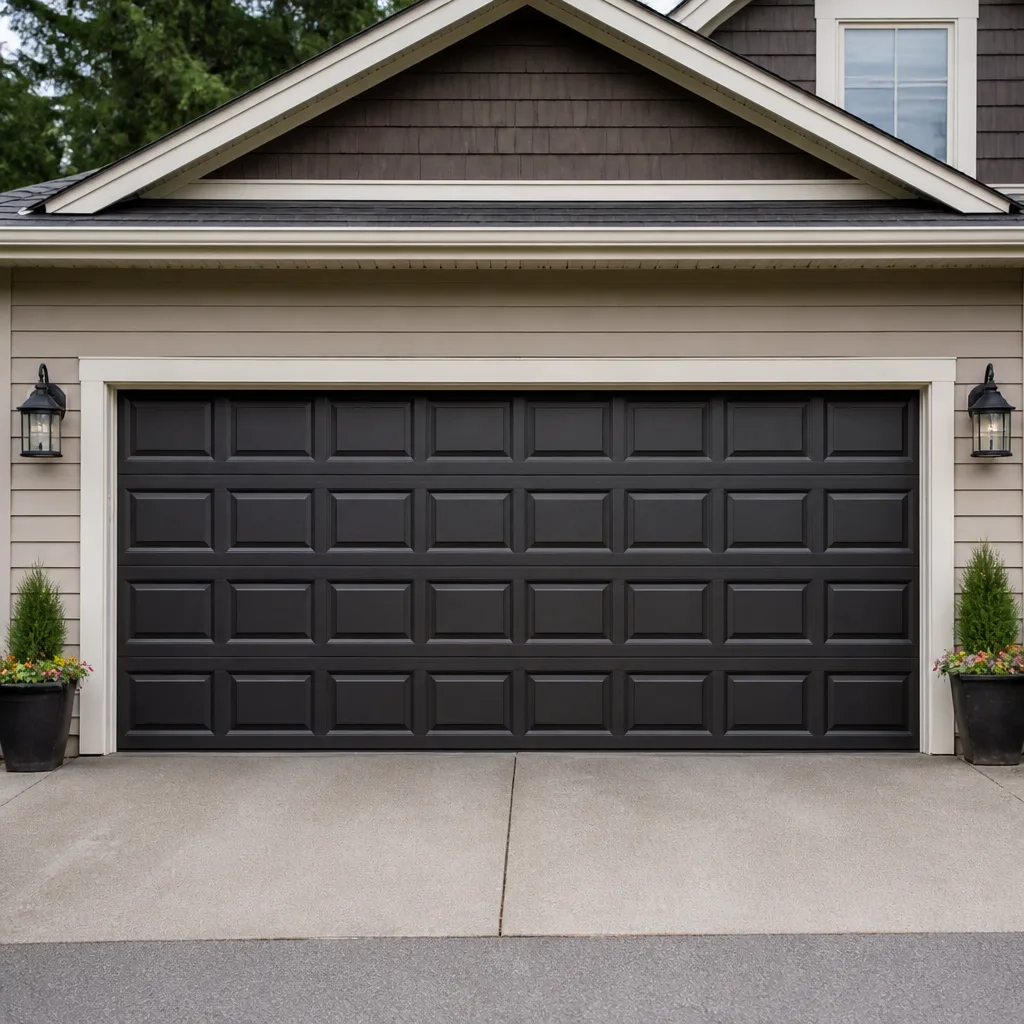 Raised-panel steel
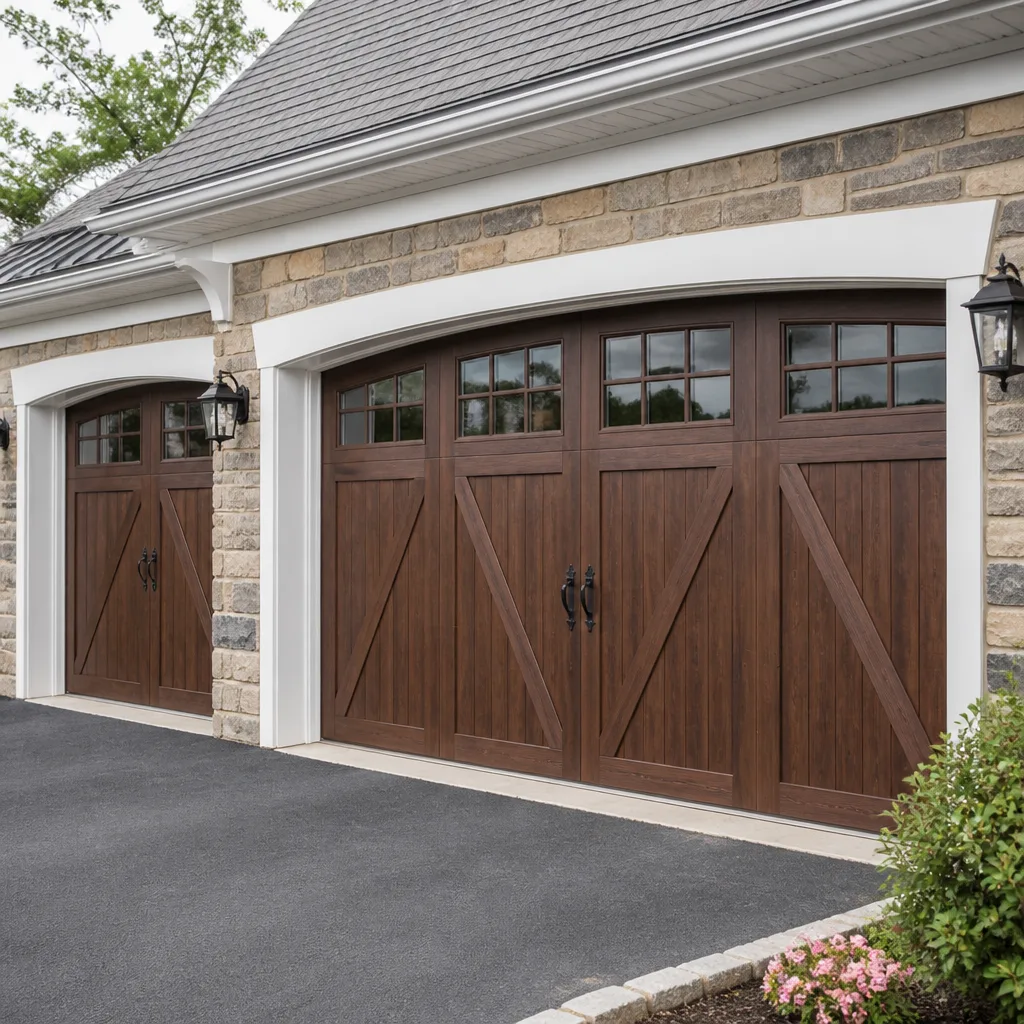 Carriage house
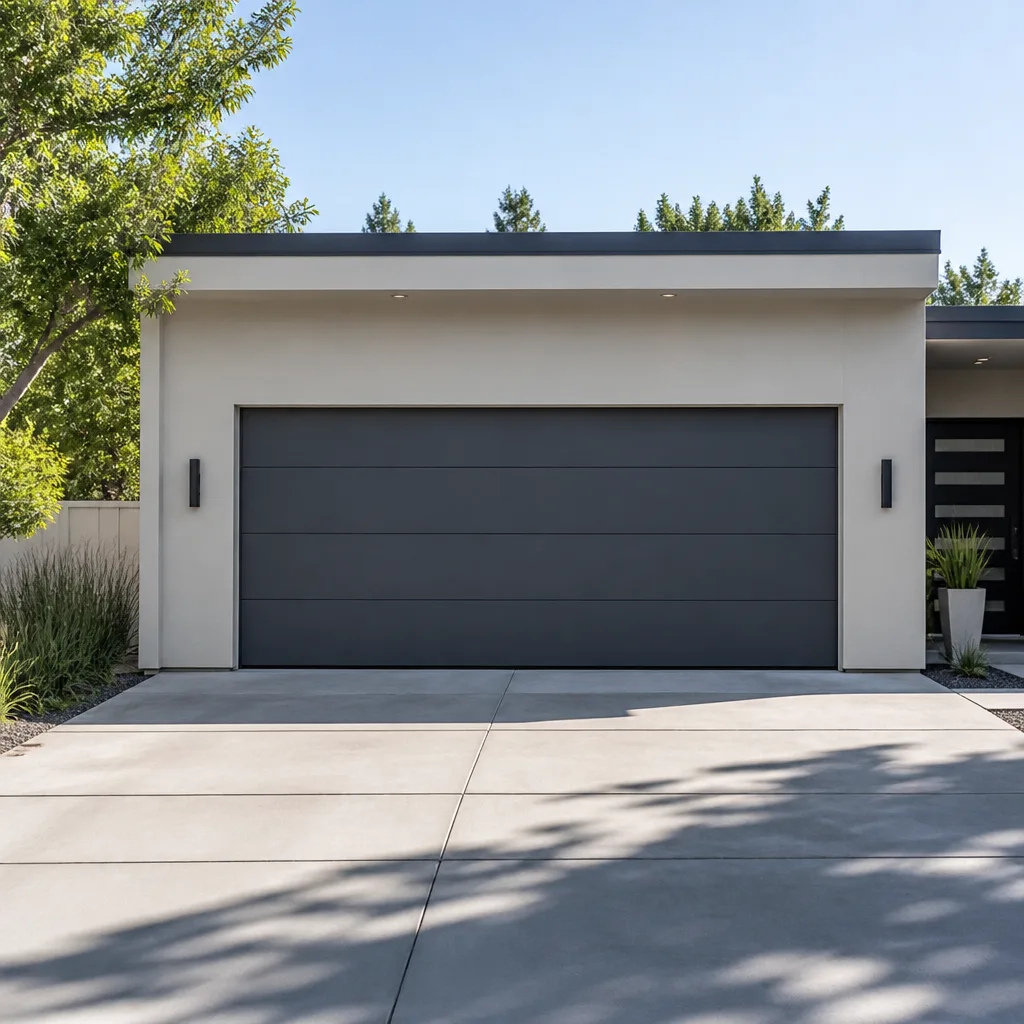 Modern flush
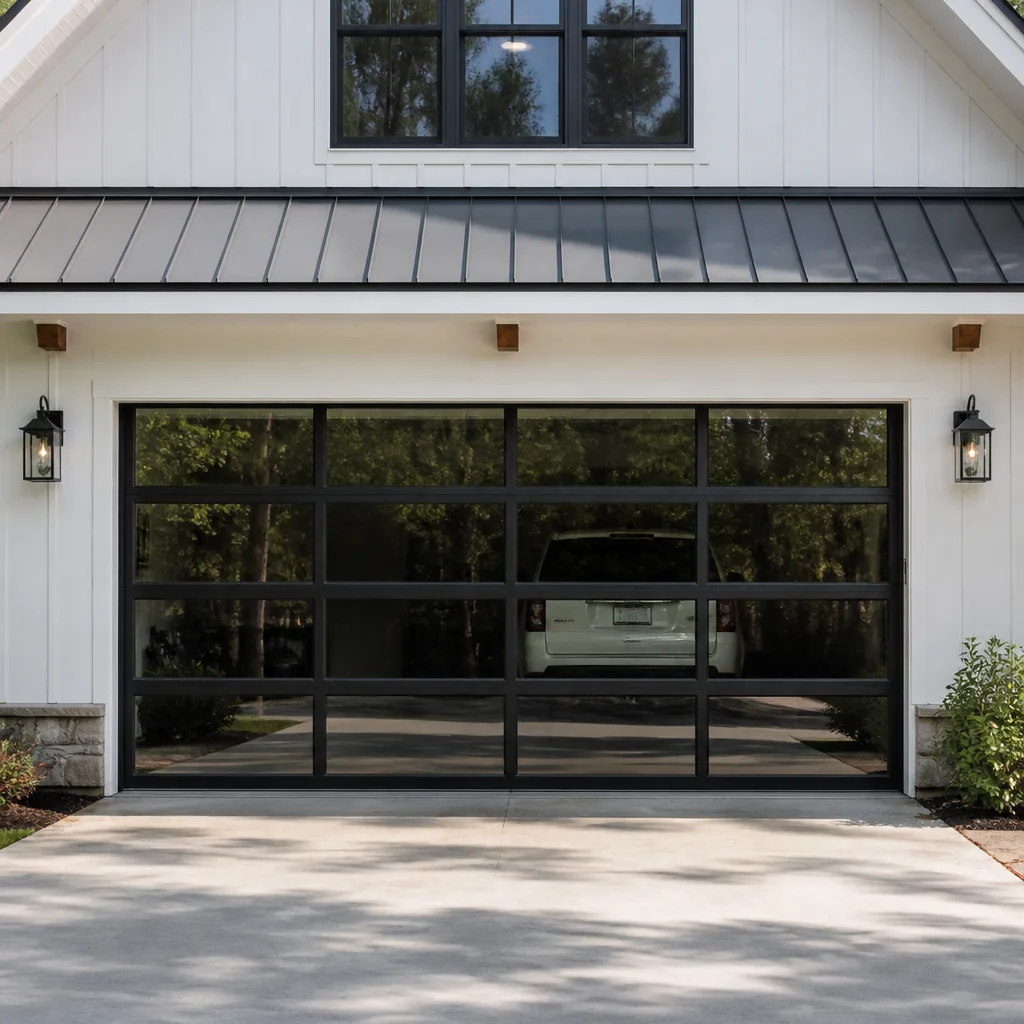 Full-view glass
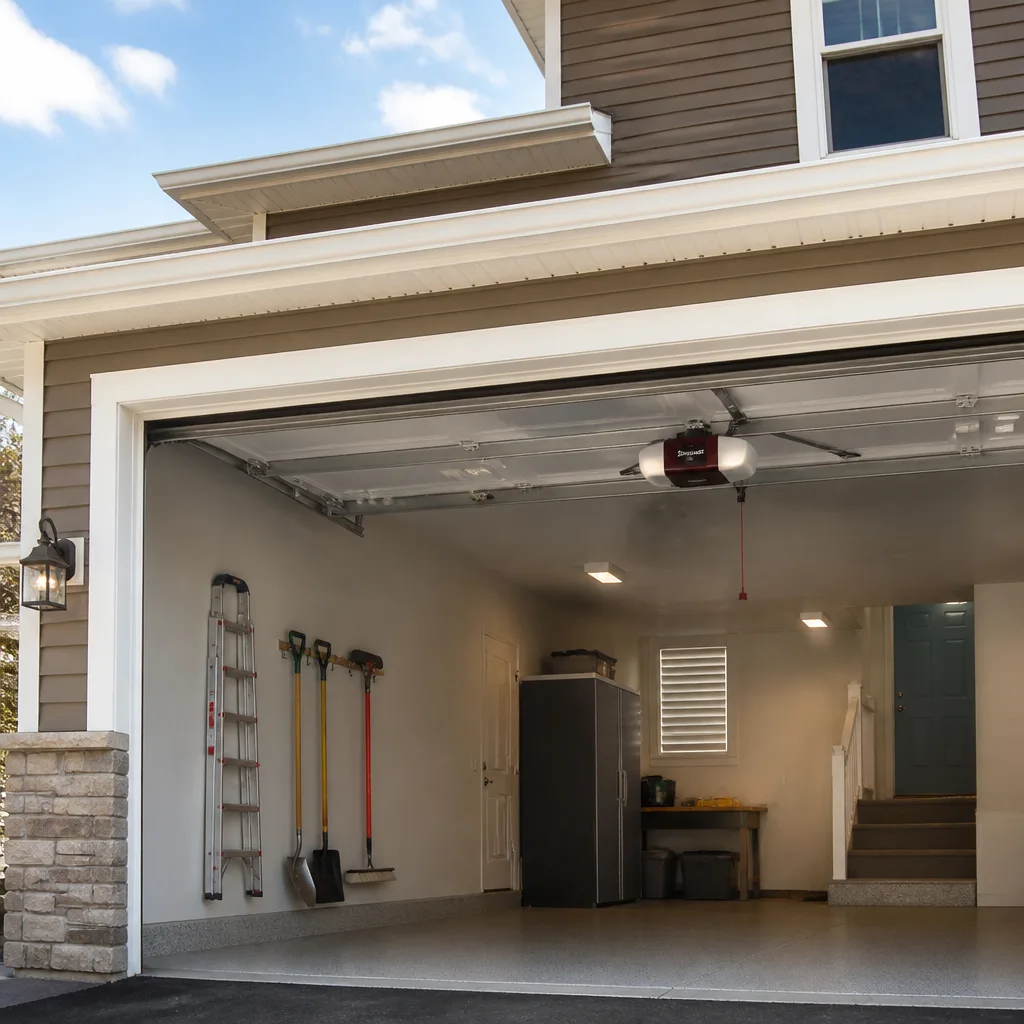 LiftMaster openers
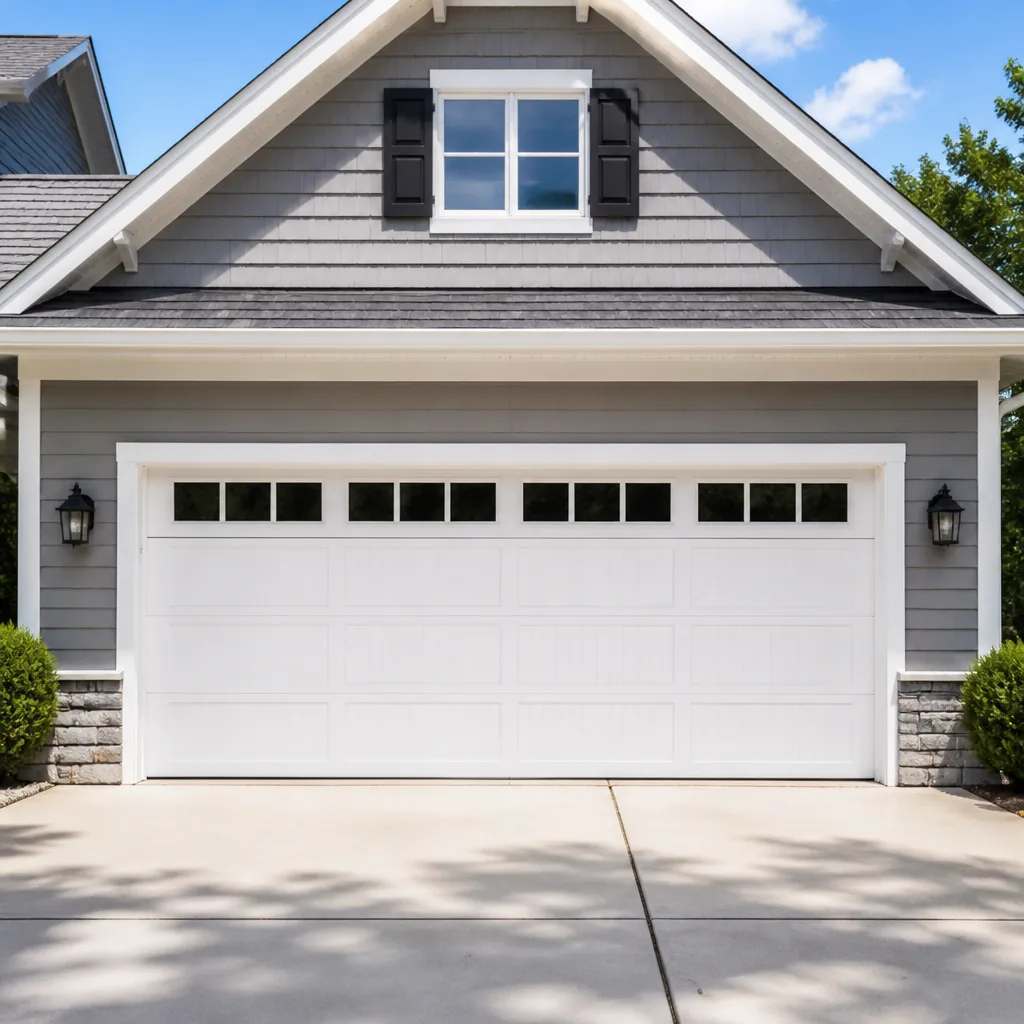 Chamberlain openers
Full 25-point door and opener safety check with every visit - springs, cables, rollers, tracks, and your LiftMaster or Chamberlain opener included
You get a price before we start. It does not change when the pro arrives.
Get your free estimateGarage Door Repair Troubleshooting in Waldorf: Common Problems and How to Fix Them
Most garage door problems get misdiagnosed because homeowners troubleshoot the symptom instead of the system. A door that won’t close gets blamed on the sensors, a grinding noise gets blamed on the opener, and the actual failed part sits untouched while the real repair gets delayed. In our experience across Waldorf, the single most common “opener problem” we’re called out for turns out to be a broken spring – a distinction that changes what the repair costs and whether it’s safe to touch at all. This guide walks a real diagnostic sequence: springs, cables, tracks, hardware, then the opener. Read it and you’ll know what’s wrong, what you can safely adjust, and what needs a trained technician.
Quick Answer
To troubleshoot a garage door in Waldorf, work in order: check the springs for a visible gap and test the door’s weight by hand, inspect the cables for slack or fraying, look at the tracks for bends and obstructions, tighten or replace worn hardware, then test the opener and its safety sensors last. Most failures trace back to the springs or cables, not the motor. Anything involving torsion springs, cables under tension, or the electrical panel should go to a trained professional – those parts can cause serious injury.
Styles & brands we work with
- Raised-panel steel
- Carriage house
- Modern flush
- Full-view glass
- LiftMaster openers
- Chamberlain openers
Table of Contents
- Why You Should Troubleshoot the System, Not the Symptom
- Step 1: Confirm Whether the Spring Is Broken (Without Touching It)
- Step 2: Check the Cables for Slack, Fraying, or a Drum Off Its Spool
- Step 3: Inspect the Tracks for Bends and Obstructions
- Step 4: Work Through the Hardware – Rollers, Hinges, and Bearings
- Step 5: Test the Opener Last, and Understand the Three Sensor Failures
- How Waldorf’s Humidity and Temperature Swings Affect Your Door
- Go/No-Go: What You Can Safely Adjust vs. What Needs a Technician
Why You Should Troubleshoot the System, Not the Symptom
A garage door is a balanced mechanical system. The springs carry the door’s weight, the cables transfer that load, the tracks guide the door, and the opener only supplies the small push needed to move a door that’s already balanced. When one part fails, it throws off everything downstream – which is why a broken spring looks like a dead opener, and why a bent track looks like a motor that’s lost its power.
That’s the core misunderstanding most Waldorf homeowners run into. When the door won’t open, the instinct is to blame the opener because that’s the part with the button. But the opener is the last link in a chain, and it’s almost never the first thing to fail. Here’s the diagnostic order that actually works:
- Springs – the most common failure and the most dangerous to touch.
- Cables – they carry the spring tension and fail when the springs do.
- Tracks – misalignment and obstruction cause stalling and grinding.
- Hardware – rollers, hinges, and bearings wear out quietly.
- Opener – test it only after everything above is confirmed working.
Working from the bottom of this list up saves you from replacing an opener that was never broken. It also keeps you from a scenario we see regularly: a homeowner buys a new opener, installs it, and the door still won’t lift because the real problem was a snapped spring the whole time. This is exactly why we treat garage door repair as a system service rather than a parts swap – you have to find the actual failure before you fix anything.
Step 1: Confirm Whether the Spring Is Broken (Without Touching It)
A broken torsion spring is usually visible without any disassembly. The tell is a clean gap in the coil – roughly a two- to three-inch section of the spring that’s separated from the rest of the coil above the door. If you see that gap, the spring is broken and the door is currently unsupported. Do not run the opener. Every cycle on a broken spring grinds the opener gears and stresses the cables.
Here’s how to safely confirm a broken spring without touching the spring itself:
- Stand clear and look up. From the floor, inspect the horizontal torsion bar above the door. A visible gap in the coil is the confirmation.
- Disconnect the opener. Pull the red emergency release handle (it hangs from the trolley) so the door moves free of the motor.
- Test the weight with one hand. Lift the door about a foot. A balanced door should lift easily and hold its position. A door with a broken spring will feel impossibly heavy – like lifting a solid slab of wood.
- Let it back down slowly. Don’t force it. If it drops, let it settle and step back.
That extreme heaviness is the key tell. On a working door, the springs do almost all of the lifting; the door should feel light, maybe 10 to 15 pounds of resistance. If it feels like 100 pounds or more, the spring has failed even if you can’t see the gap clearly.
Here’s the hard safety rule: torsion springs are under extreme tension at all times, even when the door is closed. A single winding bar slipping out of a torsion spring can break bones or worse. We never recommend a homeowner touch a spring assembly, the winding cone, or the cables attached to it. If the spring is the problem, that’s a job for a trained technician – which is why garage door spring repair is one of the services we take most seriously. Done safely, done right, the first time.
Step 2: Check the Cables for Slack, Fraying, or a Drum Off Its Spool
Look at the two vertical steel cables that run from the bottom corners of the door up the sides to the drums at the end of the torsion bar. Both should be taut and smoothly wound around their drums. If you see any of the following, the cable system has a problem:
- Slack or a looping cable on one side – a sign the drum has come off its spool or a spring has failed.
- Fraying or broken strands near the drum or the bottom bracket – cables fail under load, often at the same time as a spring.
- One side tighter than the other – a symptom of unequal spring tension or a bent track.
- A cable hanging off the drum – the door is not safely supported; stop using it.
Cables are under tension too, and the bottom bracket where the cable attaches is under heavy load. Don’t stick your fingers near it while the door is up. If a cable looks slack or frayed, the safest move is to leave the door closed and call for a technician who can release the tension properly. From the outside, a cable failure often shows up as a door that lifts crookedly on one side – a good reason to watch the door travel every few months, not just listen to it.
Step 3: Inspect the Tracks for Bends and Obstructions
Tracks should be straight, parallel, and roughly the same distance apart top to bottom. Grab a flashlight and walk the full length of each track, inside and out. What you’re looking for:
- Bends or kinks where the door has jumped or something struck the track.
- Debris – leaves, gravel, or a dropped tool sitting in the track channel.
- Loose track brackets where the track attaches to the wall or ceiling.
- Uneven gaps where the door’s rollers sit in the track – a sign the track is out of alignment.
For light debris, you can clear the track safely with a gloved hand while the door is fully closed. For loose brackets, a socket wrench can snug a bolt that’s worked loose – but only if the track itself is already straight. If a track is visibly bent, don’t try to bend it back by hand. Tracks are formed metal and will crimp or warp further, and a door running on a bent track is at risk of jumping the rail and coming down hard. Ask a technician to straighten or replace it.
One easy check while you’re at eye level with the tracks: close the door and look at the gap between the door and its jamb on both sides. A door that’s visibly uneven top to bottom usually has a track issue, not a panel issue.
Step 4: Work Through the Hardware – Rollers, Hinges, and Bearings
If the springs are intact, the cables are taut, and the tracks are straight, the noise or resistance is probably coming from the hardware. These parts wear out gradually, which is why the door gets louder and wobblier over months or years without any single “break” moment. Work through them in this order:
- Rollers. Look at the little wheels that ride inside the tracks. Steel rollers should spin freely and look smooth. If they’re scored, flat-spotted, or rattling, they’re worn. Nylon rollers fail by cracking at the hub; steel rollers fail by wearing flat. Replacing a set of rollers is an inexpensive fix that quiets a noisy door noticeably.
- Hinges. The hinges between panels should be straight and move freely. If a hinge is bent or its pin has walked out, the door panels will scrape as they fold through the curve of the track.
- Bearings and end plates. These sit at the ends of the torsion bar and hold the whole spring assembly. A grinding or squealing noise from the center of the door (not the opener) often points here.
- Bolts and brackets. Walk the door and check the bolts on the hinges, brackets, and bottom corner plates. A loose bolt lets the door flex and rattle. Snugging with a socket wrench is safe when the door is closed and the opener is released.
How often should you check? Once a year is enough for most Waldorf homes, and a light spray of garage door lubricant on the rollers, hinges, and springs (not the tracks) quiets the door and slows wear. Skip the tracks – they should stay clean and dry so the rollers ride properly.
Step 5: Test the Opener Last, and Understand the Three Sensor Failures
By the time you reach this step, you’ve confirmed the mechanical door is sound. Now the opener can be tested with an accurate read on what it’s being asked to do. If the door lifts easily by hand, the opener should move it smoothly. If it doesn’t, the problem is genuinely in the opener – or in its sensors.
Sensor issues are the most misdiagnosed opener problem, and there are three different failures that look similar but need three different fixes:
- Sensor misalignment. Both sensors have a small LED. One should glow steady, the other should blink when nothing is between them but hold steady when the beam is clear. If neither holds steady, the two sensors aren’t pointing at each other. Gently nudge the bracket until the alignment is true. This is a safe homeowner adjustment.
- Sensor obstruction. The beam is physically blocked – a cobweb, a fallen leaf, a parked bicycle, or a bag of trash leaning into the beam. Sweep the floor between the sensors and clean the lenses. This is also safe to fix yourself.
- Sensor wiring failure. One sensor is dead even though it’s aligned and clean – a broken wire, a loose connector, or a sensor that’s failed internally. This requires a technician, since the fix is in the low-voltage wiring or the sensor itself.
One more diagnostic worth knowing: if the door closes partway and then reverses, the opener’s force limit or travel settings may be off, or the door has a mechanical bind the opener is “feeling.” Adjusting force settings without understanding the cause can be dangerous, so let a technician confirm before you change anything. If your opener is a LiftMaster, Chamberlain, Genie, or Craftsman unit (all common in Waldorf homes), a proper diagnostic will check the sensors, the force settings, and the door’s balance before anything is replaced. That’s the approach we take on every garage door opener repair call.
How Waldorf’s Humidity and Temperature Swings Affect Your Door
Waldorf sits in Southern Maryland, close enough to the Chesapeake Bay that the air carries real humidity through summer and the temperature swings hard between seasons. That combination puts specific stress on garage door systems, and it explains a lot of the failures we see on doors in neighborhoods like St. Charles, Waldorf’s older established streets, and the newer developments off Route 301.
Here’s what the local climate actually does to your door:
- Humidity causes swelling in wooden door panels and steel hinges. A wood panel that swells in July can bind in the tracks; a hinge that rusts can seize and scrape. Lubrication matters more here than in drier regions.
- Temperature swings stress springs and metal tracks. A steel door expands and contracts with the seasons, which slowly works bolts loose and shifts tracks a fraction of an inch at a time. Repeated cycles of heat and cold fatigue metal springs faster.
- Winter cold makes tempered steel more brittle. Springs that are already near the end of their life are far more likely to snap during the first hard cold snap of the season. This is why spring failures cluster in late fall and early winter in Waldorf.
- Spring and summer rain brings grit into tracks. Windblown dirt and pollen settle into the track channels, and the debris can cause the rollers to bind or jump.
If you live near the water, expect more rust on hinges and steel rollers than a drier climate would produce. A yearly hardware inspection is a reasonable habit in Waldorf – it’s the fastest way to catch a worn hinge or a rusted roller before it becomes a jammed door.
Go/No-Go: What You Can Safely Adjust vs. What Needs a Technician
One of the most useful things a homeowner can know is where the safe boundary sits. Here’s our honest go/no-go list:
Safe to adjust yourself (door closed, opener released)
- Clearing debris and cobwebs from the tracks and the sensor beam.
- Snugging loose bolts on hinges and brackets with a socket wrench.
- Lubricating rollers, hinges, and spring coils with garage door lubricant.
- Nudging a sensor bracket back into alignment.
- Replacing a burned-out opener bulb.
- Resetting the opener’s travel or force settings only after confirming the door moves freely by hand – and only within the manufacturer’s instructions.
No-go – call a technician
- Any visible gap in a torsion spring.
- Any work involving the torsion bar, winding cone, or the cables attached to the drums.
- A door that’s hard to lift by hand and stays that way.
- A cable that’s slack or off its drum.
- A bent track or a door the opener won’t lift at all.
- Any opener wiring or sensor wiring repair.
The line is simple: if the part holds stored tension or carries the door’s weight, it’s a technician’s job. The number of times we’ve been called to a home where a homeowner was halfway through a DIY spring repair is not small, and we’d rather you call before you open the toolbox than after. For an urgent failure – a car trapped inside, a door stuck open, a door that’s hanging crooked – we run a dedicated emergency garage door service for time-sensitive situations. When your door won’t move, we move fast.
Common Mistakes to Avoid
- Buying a new opener before checking the springs. If the door is heavy by hand, no opener in the world will fix it. Confirm the door is balanced before assuming the motor is the problem.
- Forcing a stuck door open or closed. A door being forced past a jammed roller or a bent track can jump its rail and come down. Stop and diagnose.
- Using WD-40 or household oil on tracks. The tracks should stay clean and dry. Oil attracts grit and grime, which will wear your rollers faster, not slower.
- Bending a track back by hand. Track steel is formed and will warp further once bent. A trained technician can usually straighten or replace it correctly, and quickly.
- Ignoring a small spring gap or a single broken strand in a cable. Both are early warnings. Address them before they become a full failure with the door in the up position.
- Assuming the garage door isn’t part of home security. Your garage door is the largest moving part of your home and it’s a security point. A door left open or a broken opener that won’t close it leaves the house exposed.
- Skipping the yearly hardware check in Waldorf’s climate. The humidity and temperature swings here wear hardware faster than in drier places. Fifteen minutes once a year saves a jammed door.
See the difference
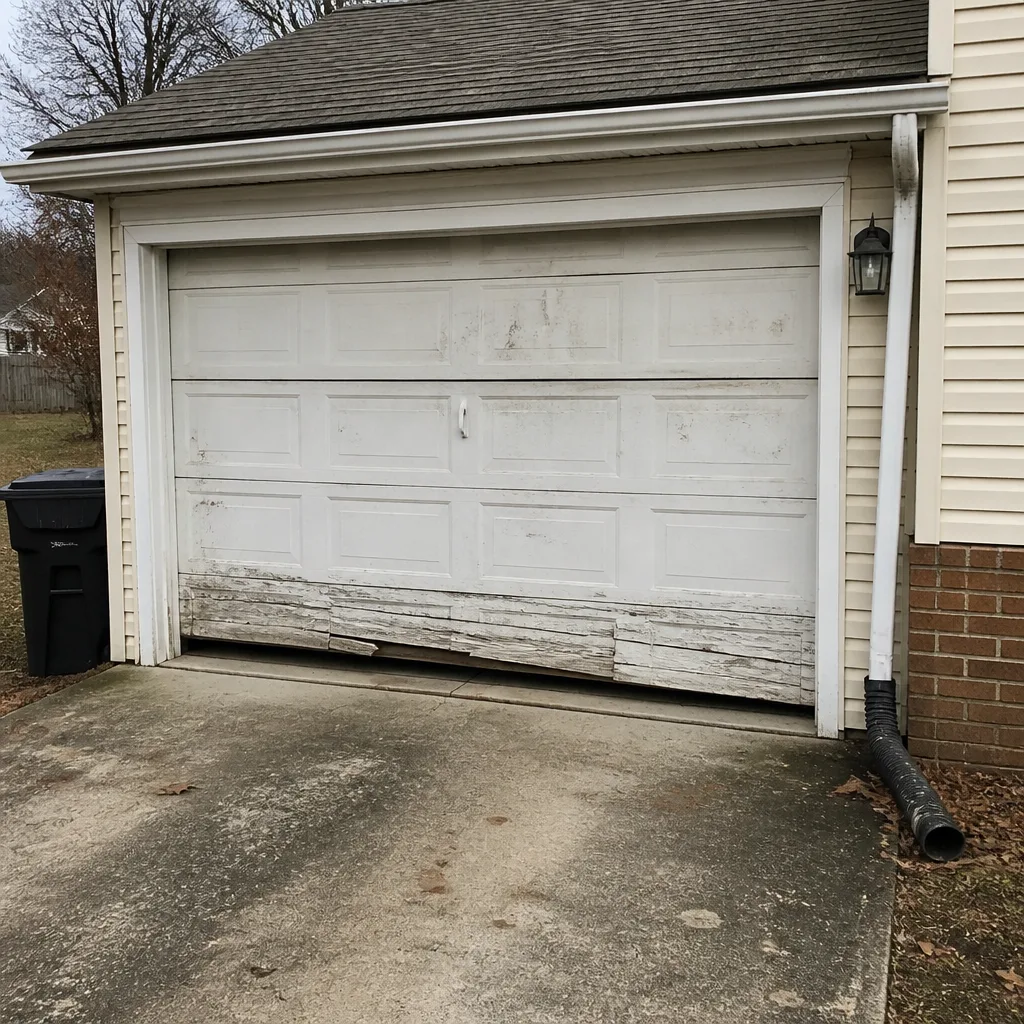 Before
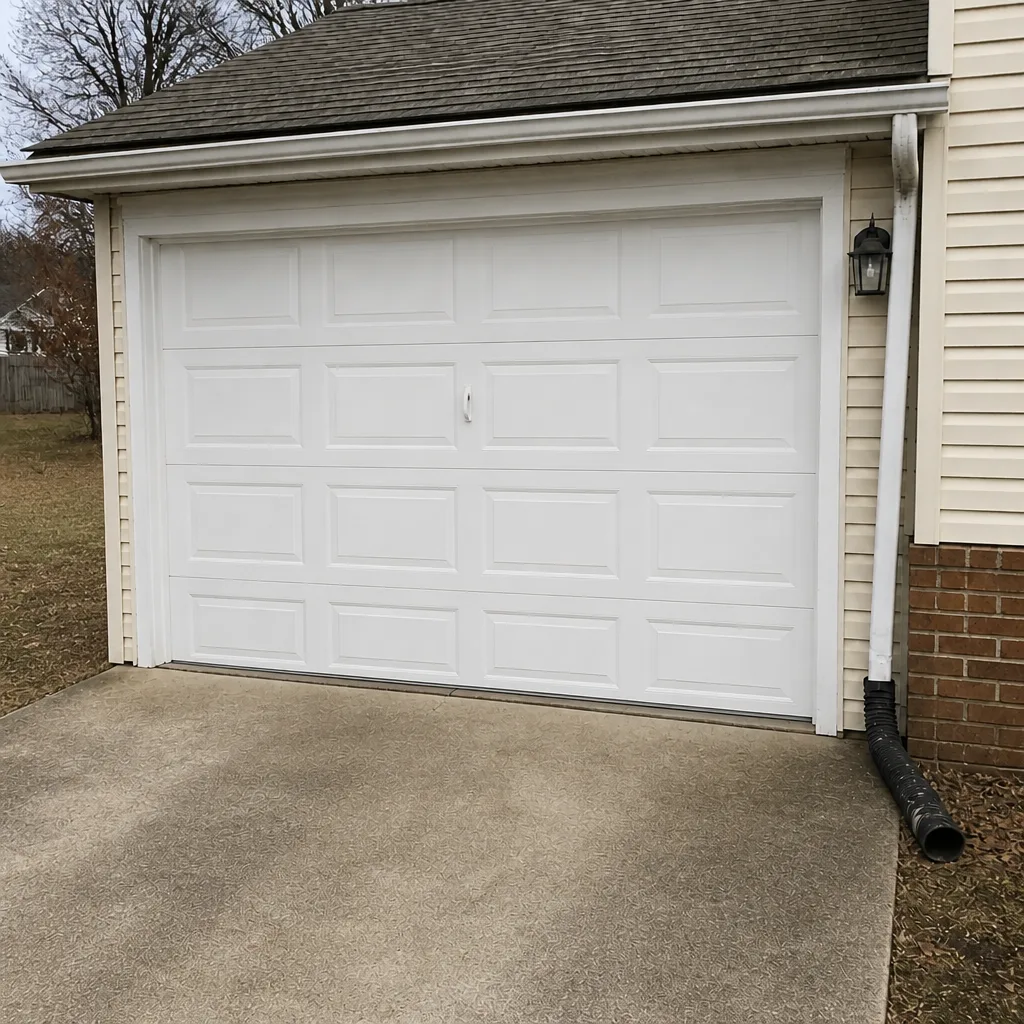 After
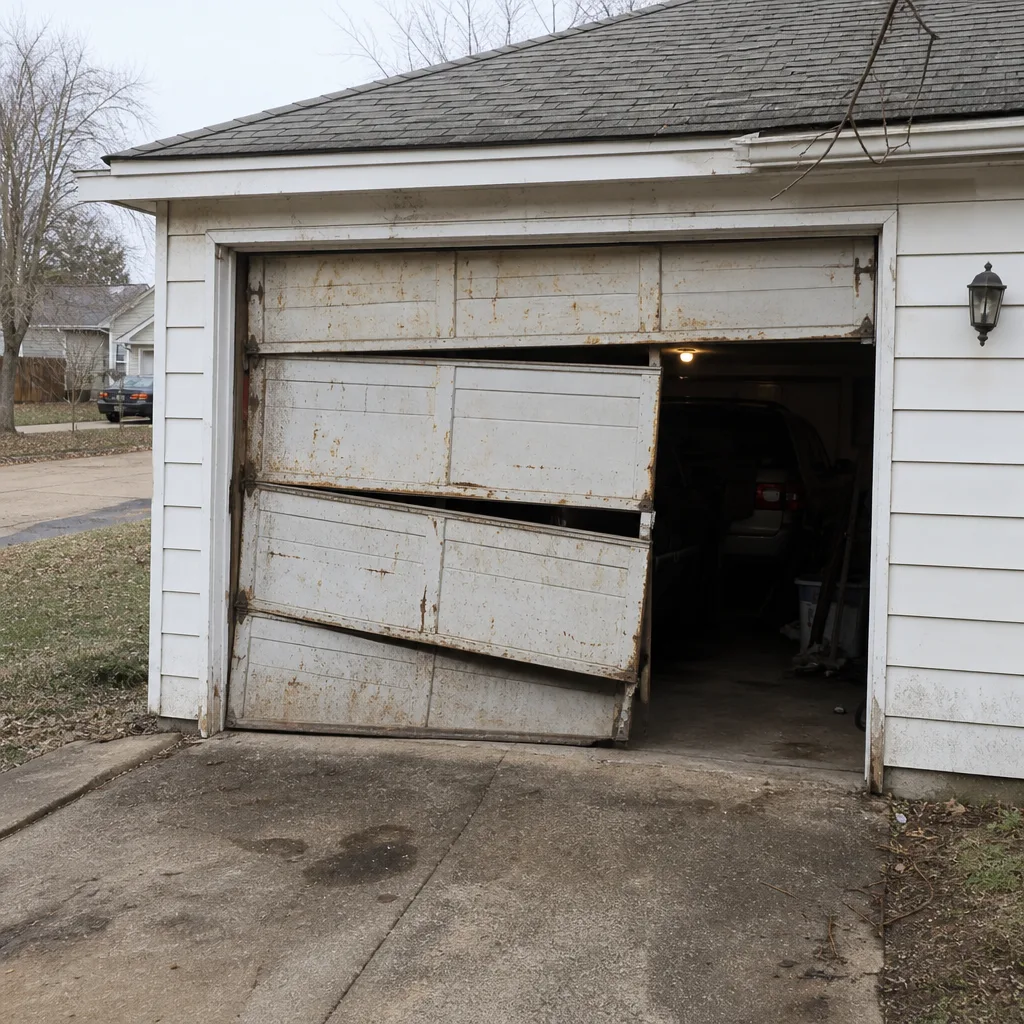 Before
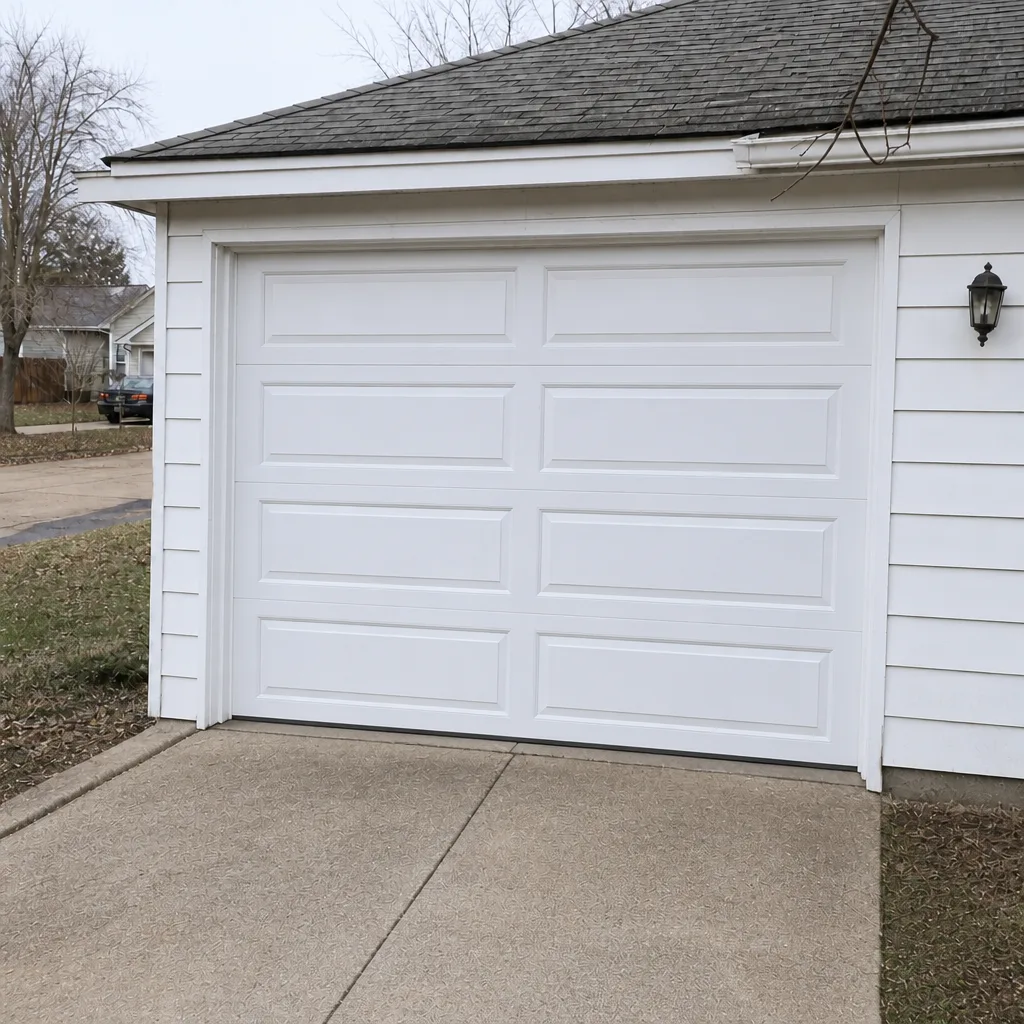 After
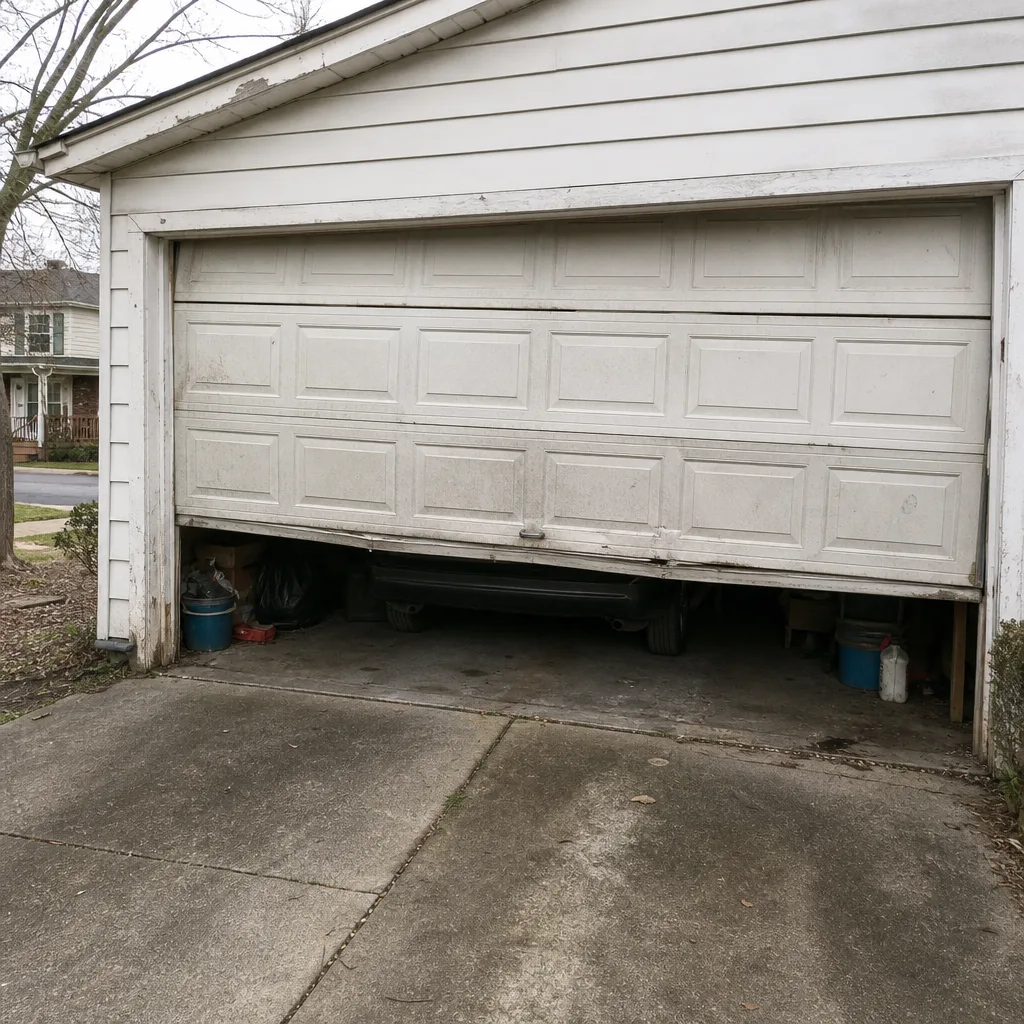 Before
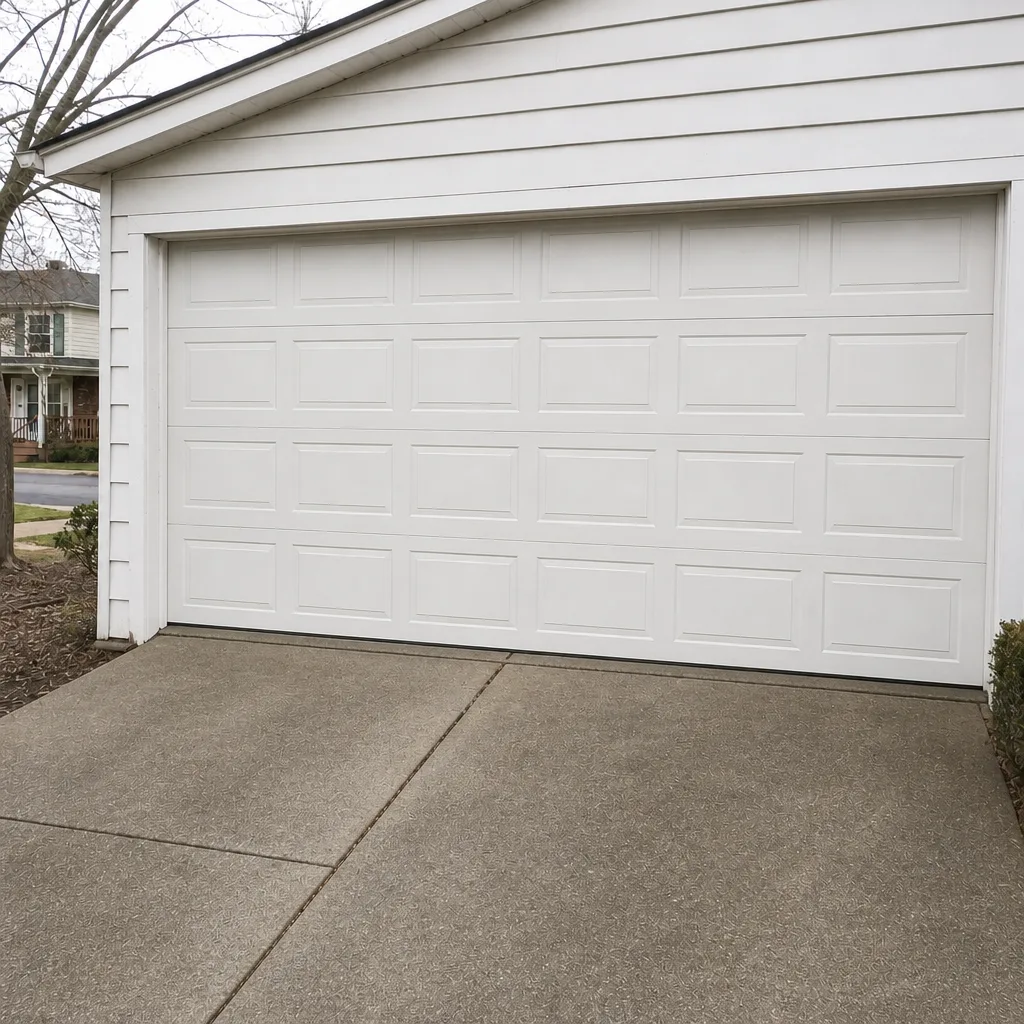 After
When to Call a Professional
Call a professional when the spring has broken, a cable has gone slack or come off its drum, the door won’t move by hand, a track is bent, or the opener is dead after the mechanical parts are confirmed good. Also call if the door reverses unpredictably, if the door closes crookedly, or if any part of the sensor wiring looks damaged. Those situations put weight and tension in the wrong places, and the risk of injury is real. We don’t recommend testing the limit of your own skill on a torsion spring.
Waldorf Garage Door Repair Pros works on the brand you already have – LiftMaster, Chamberlain, Genie, Clopay, Amarr, Wayne Dalton, Craftsman, and Raynor – so a diagnostic doesn’t get derailed by brand matching. We offer free estimates in Waldorf: call (844) 443-3856. We answer 24/7, with fast dispatch from 7am to 7pm, Sunday through Friday. Our technicians have up to 11 years of experience, and every price is quoted and agreed before any work starts.
Frequently Asked Questions
A broken torsion spring is the most common cause – it accounts for the majority of “opener problems” we’re called out for. A door with a snapped spring feels impossibly heavy by hand, and the opener can’t lift it no matter how new or powerful the motor is. Confirm by hand-testing the door with the opener released; if it’s very heavy, the springs are the culprit.
Look for a visible two- to three-inch gap in the torsion spring coil above the door, and test the door’s weight by hand. A balanced door lifts easily; a door with a broken spring feels extremely heavy and drops hard when released. Don’t touch the spring itself – call a technician, because torsion springs carry dangerous stored tension.
You can safely fix sensor misalignment and sensor obstruction. Clean the lenses, clear the beam path, and gently nudge the brackets until both sensor LEDs hold steady. You cannot safely fix sensor wiring – that requires a technician, because the issue is in the low-voltage wiring or the sensor itself.
The most likely causes are a mechanical bind (a worn roller, a bent track, or a hinge that’s seized) or an opener force setting that’s too low. The opener senses resistance and reverses for safety. Confirm the door moves freely by hand first; if it does, the opener settings need adjusting. If it doesn’t, the bind is mechanical and should be diagnosed before the opener is touched.
Once a year is a reasonable rhythm for most Waldorf homes. The local humidity and the temperature swings near the Chesapeake wear hinges, steel rollers, and springs faster than in drier regions. A yearly inspection catches a rusted hinge or a slowly failing spring before it becomes a jammed door or a snapped spring in the middle of a cold snap.
We work on the brand you already have. Our opener expertise spans the major smart-home-integrated brands – LiftMaster, Chamberlain, Genie, and Craftsman – which covers the vast majority of openers installed in Waldorf homes. We also service the door itself across eight brands, so a single call resolves the whole system.
No. The written estimate is the price we agree before any work starts. If the diagnosis turns up something that changes the scope, we talk it through with you first so there are no surprise invoices. Our estimates are free, and the written quote sets the final price.
The Bottom Line
Most garage door failures trace back to one component in a system, not to the button on the wall. Troubleshoot in order – springs, cables, tracks, hardware, opener – and you’ll find the real problem before you spend money on the wrong part. The single most important habit is the weight test: if a door is heavy by hand, the springs are the issue and no opener will fix it. Know your go/no-go line. Adjust rollers, bolts, sensors, and debris yourself; leave springs, cables, and any electrical work to a technician. In Waldorf’s climate, a yearly inspection catches the worn part before it becomes a stuck door.
Written by the team at Waldorf Garage Door Repair Pros.
Contact
If the troubleshooting above points to a broken spring, a failed cable, a dead opener, or a door that just won’t move, we’re ready to help. Waldorf Garage Door Repair Pros handles the full repair-to-installation lifecycle across the brand you already have, so you’re not coordinating multiple contractors. Call (844) 443-3856 for a free estimate. We answer 24/7, with fast dispatch from 7am to 7pm, Sunday through Friday. Reach the main team at Waldorf Garage Door Repair Pros to get started.